

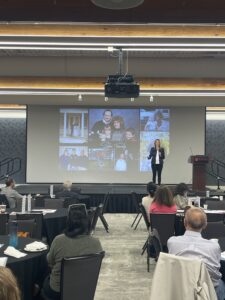
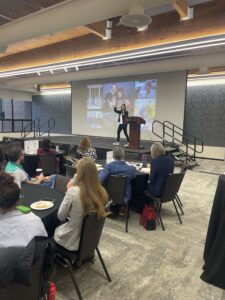
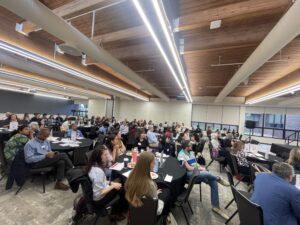
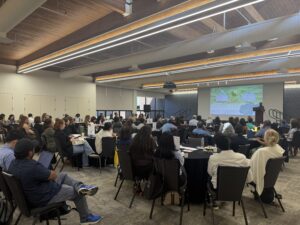
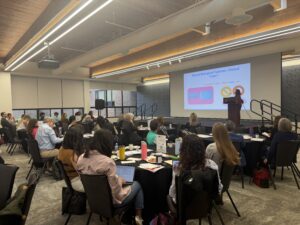
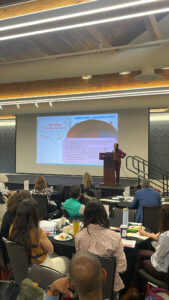
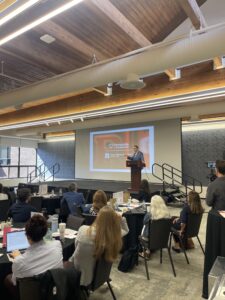
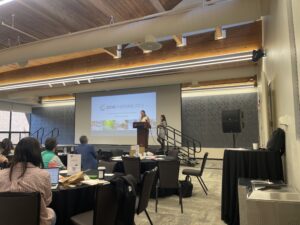
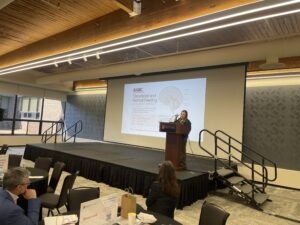
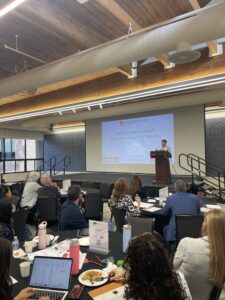
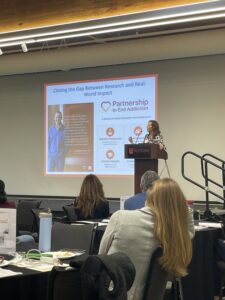
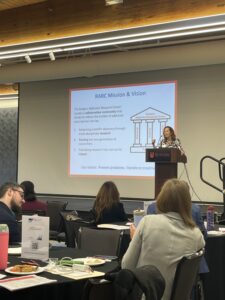
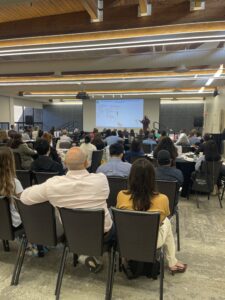
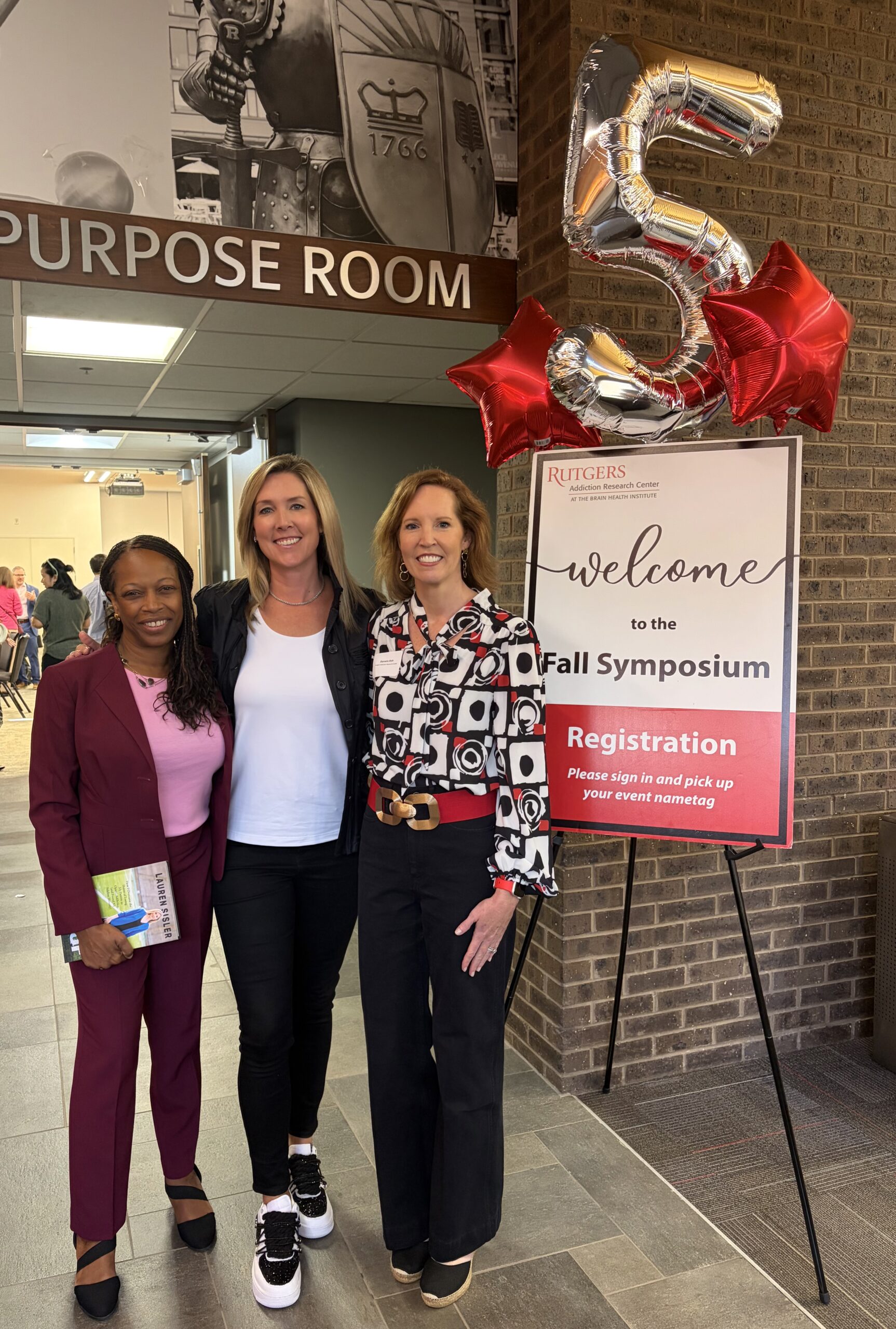
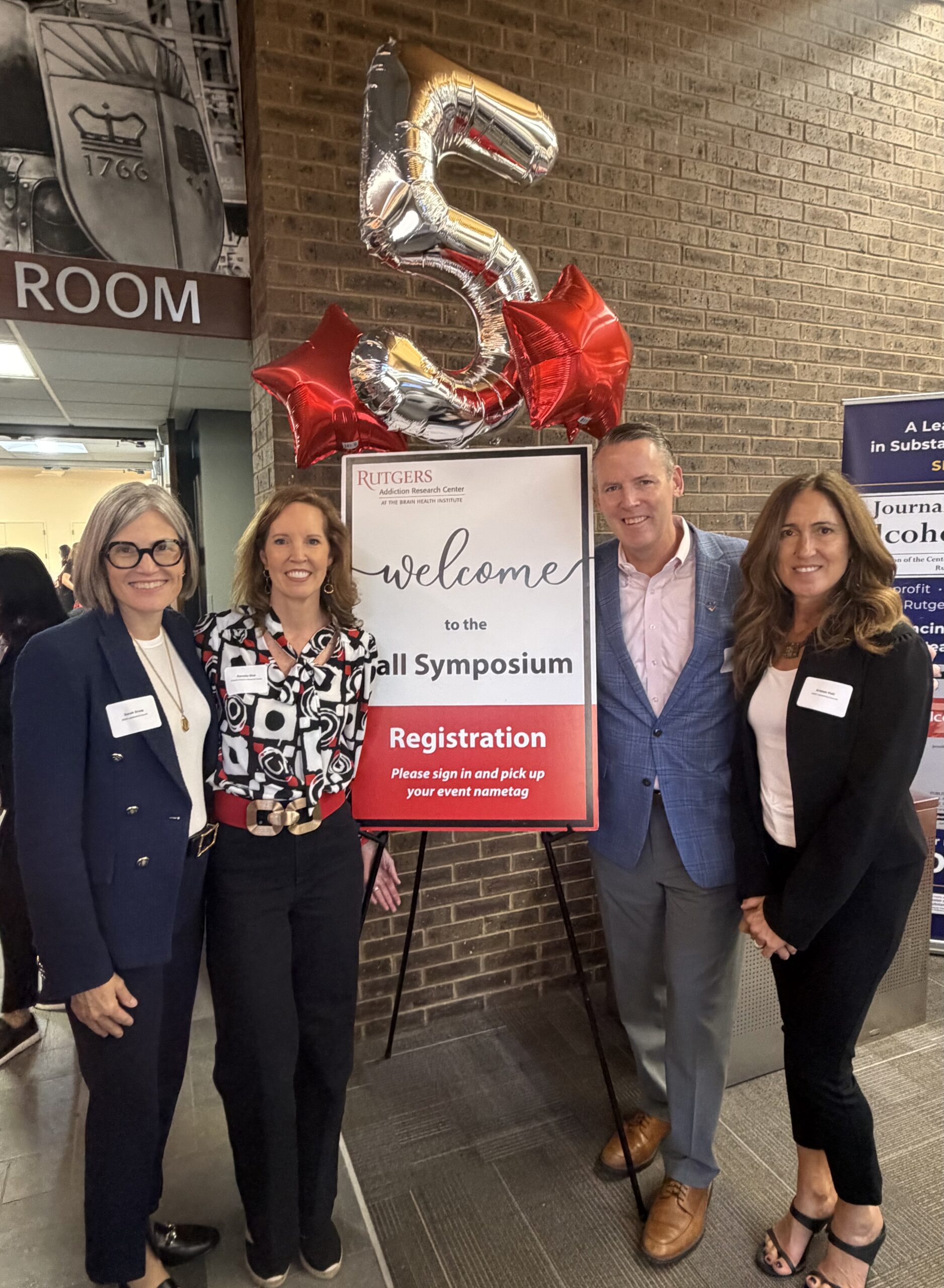
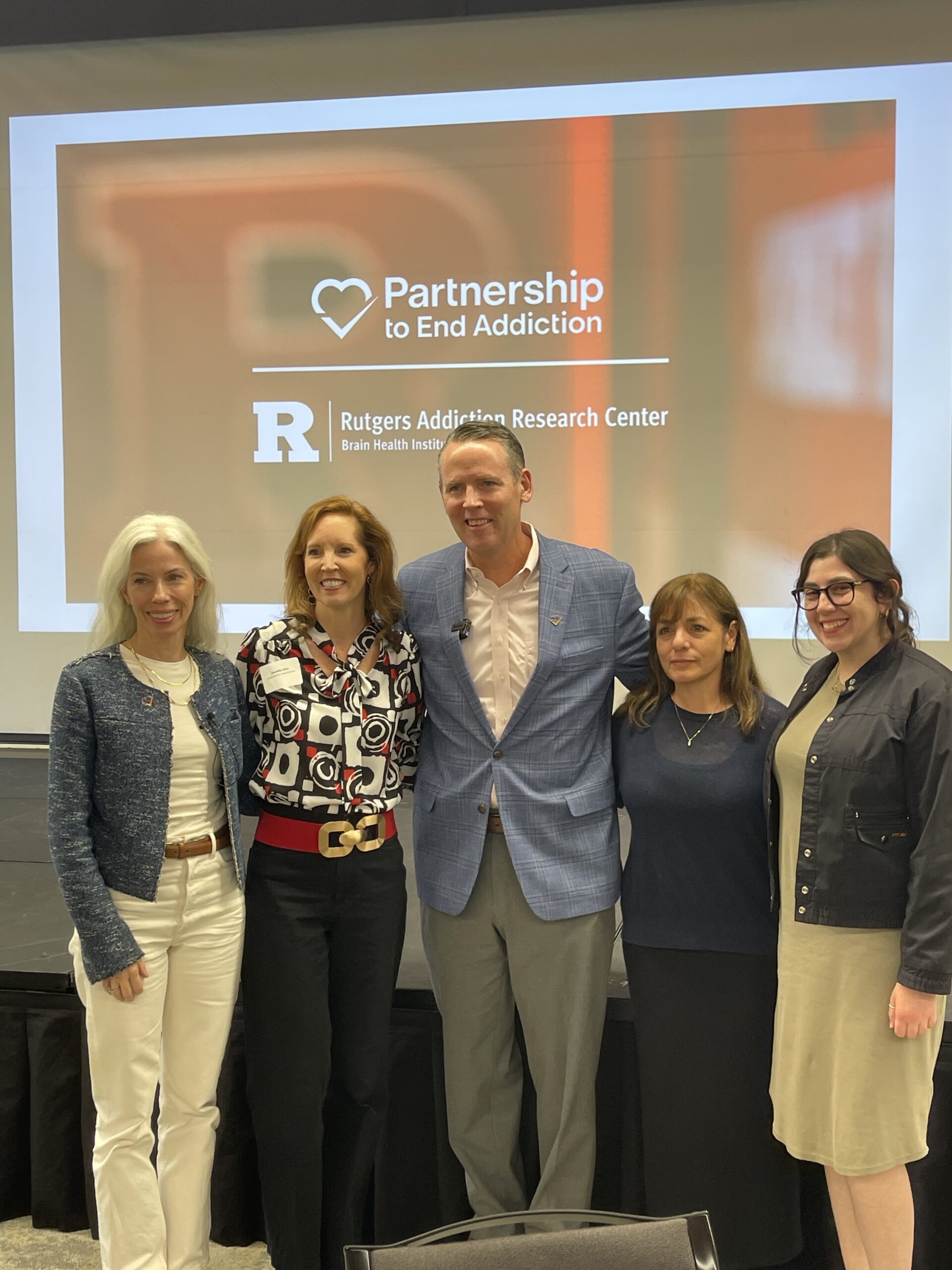
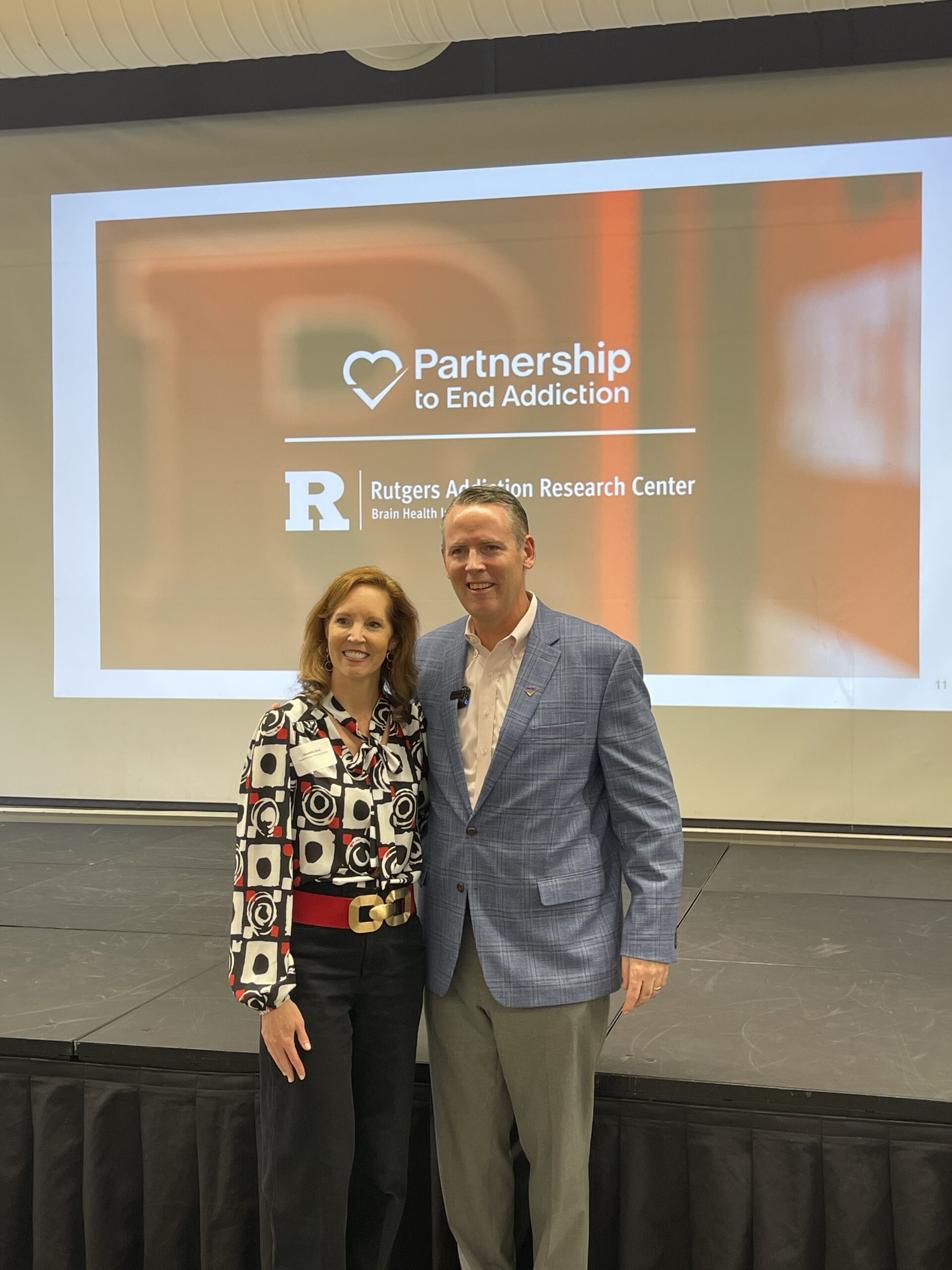
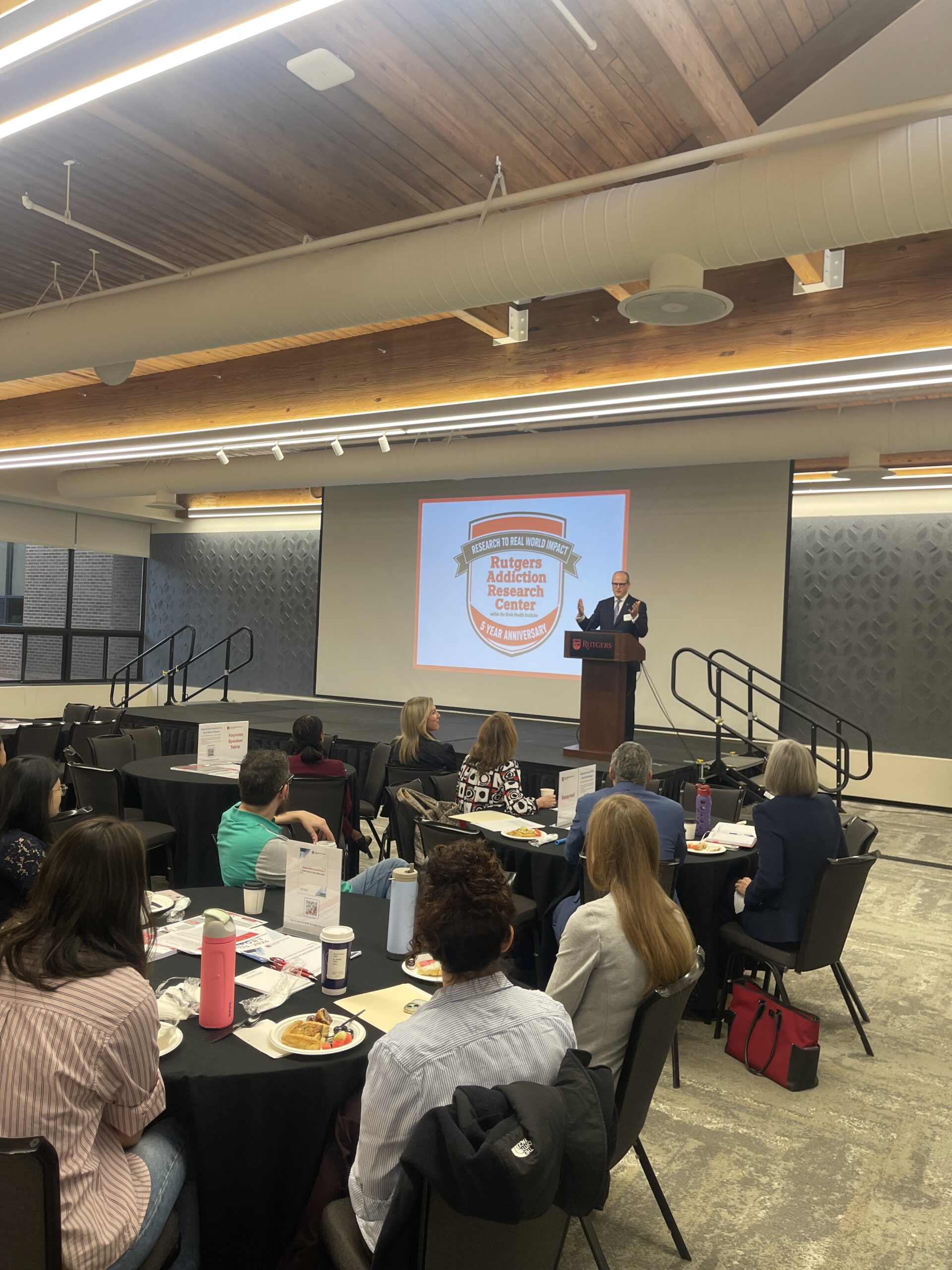
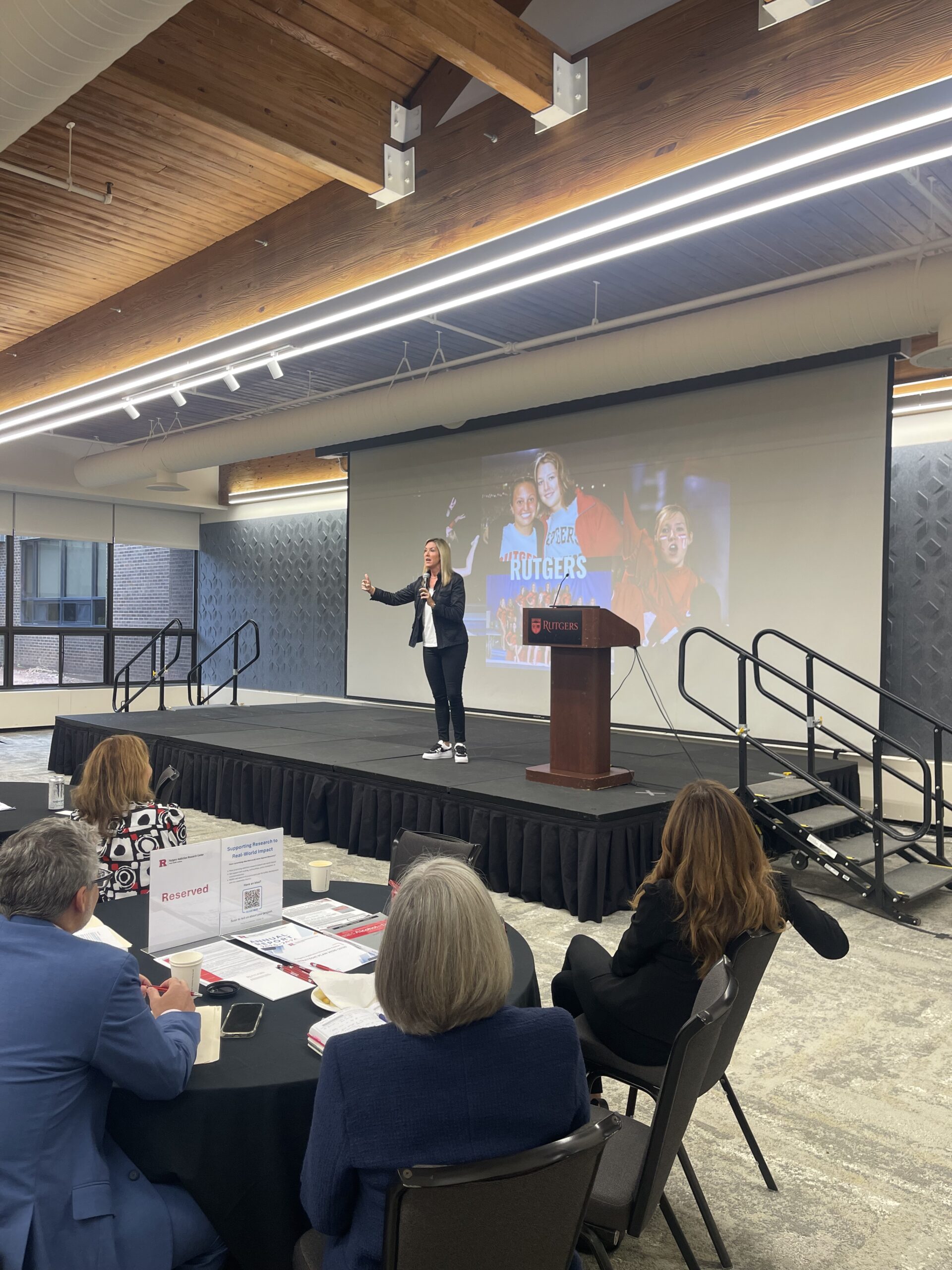
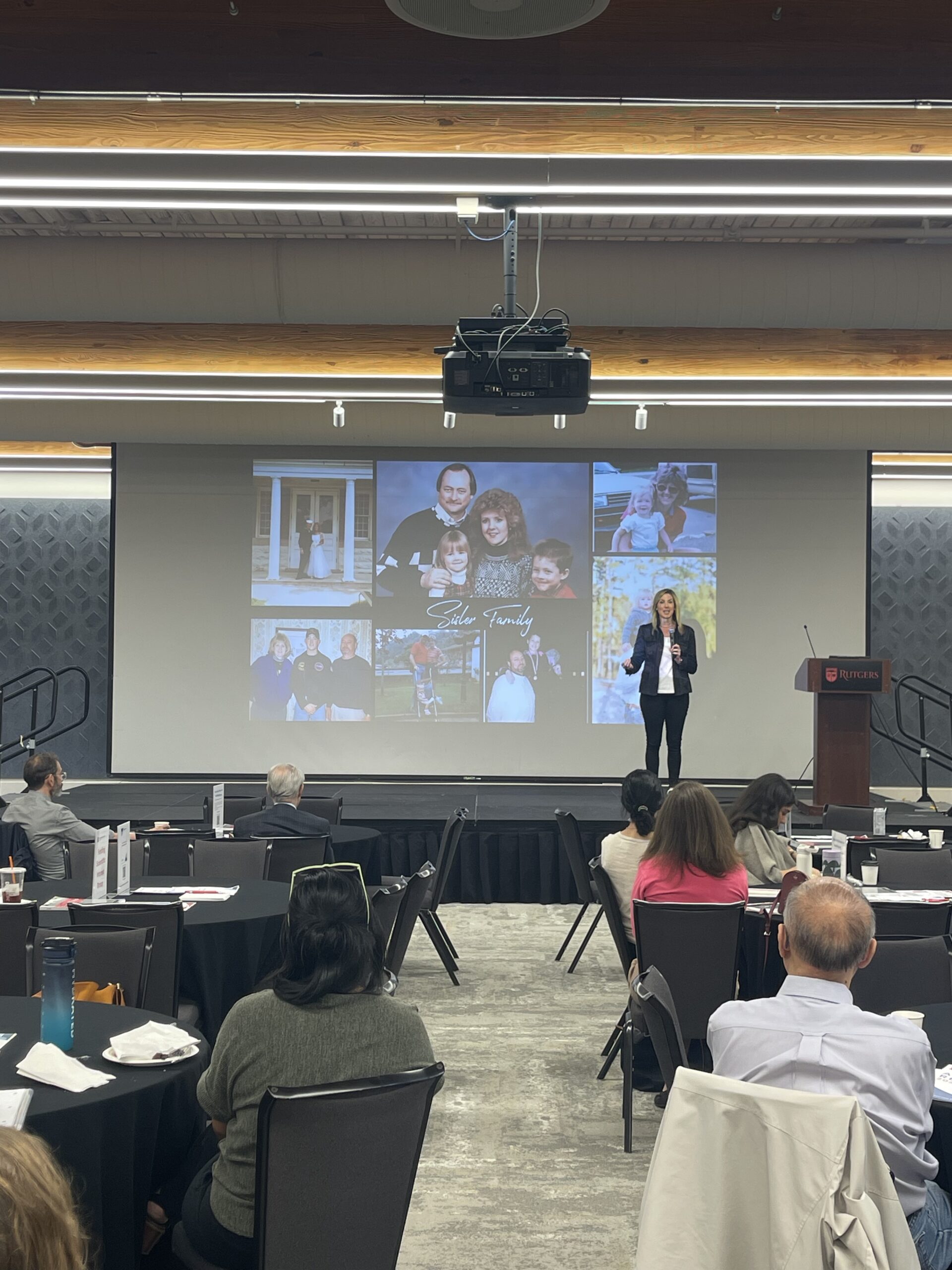
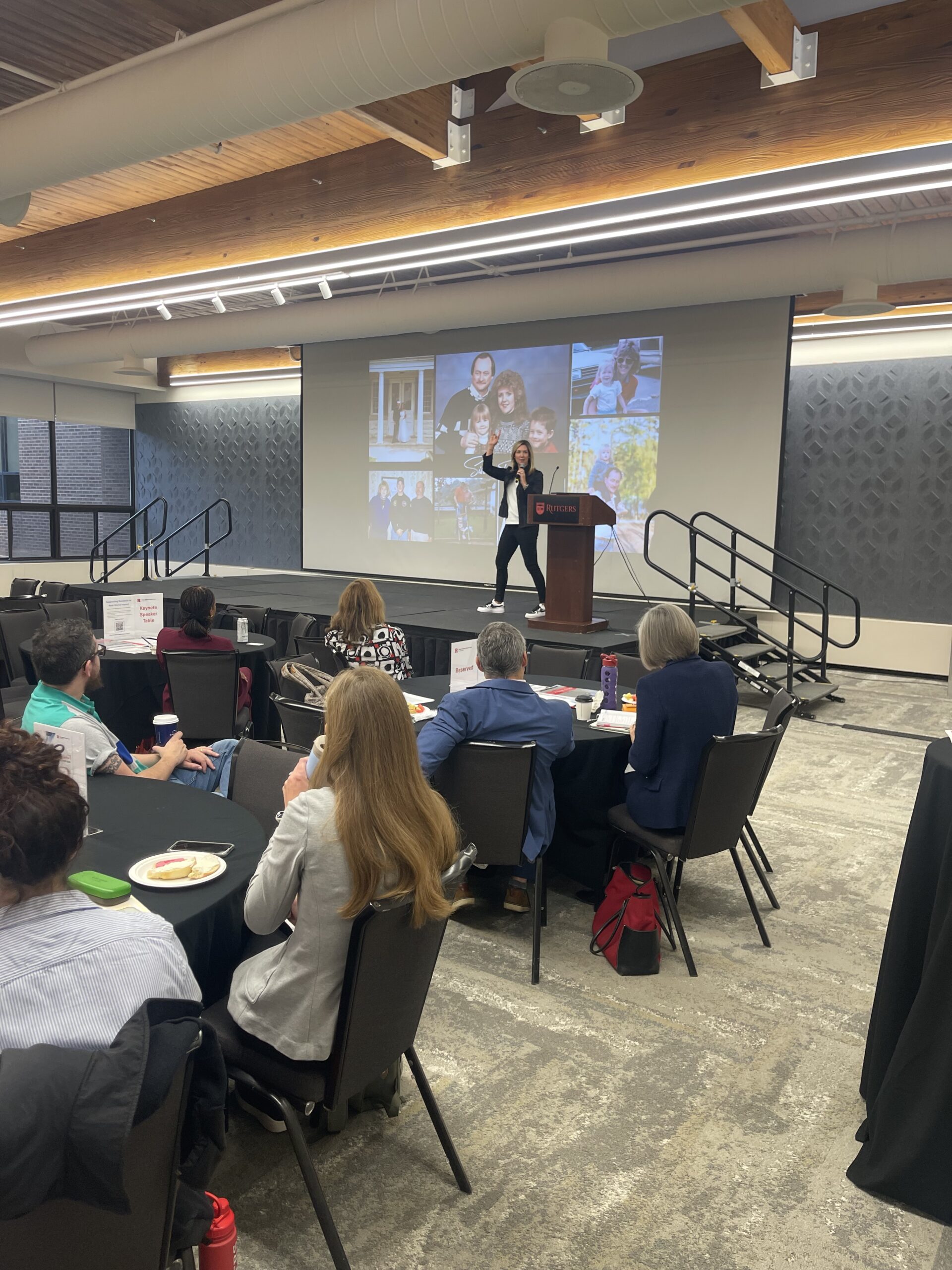
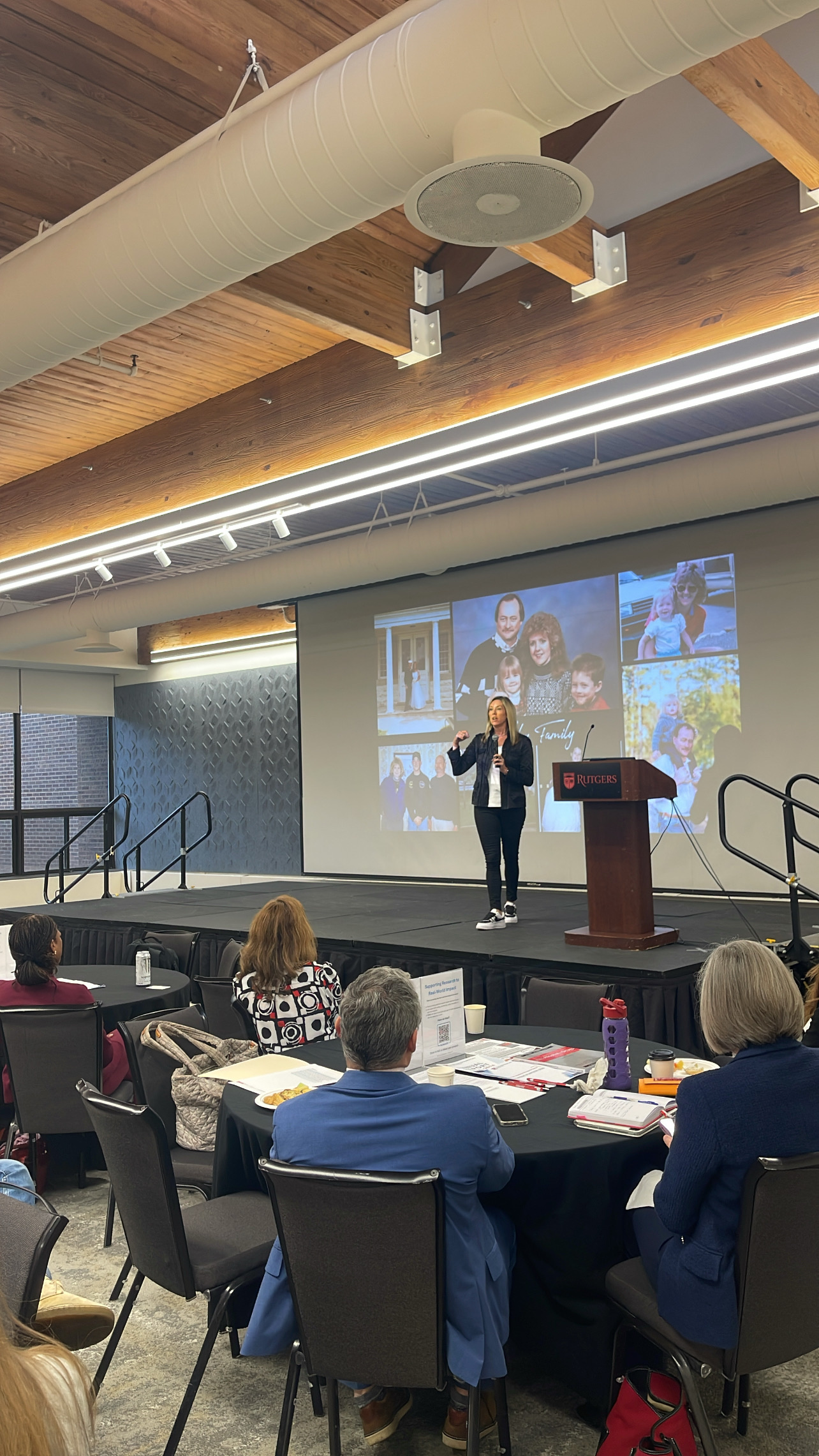
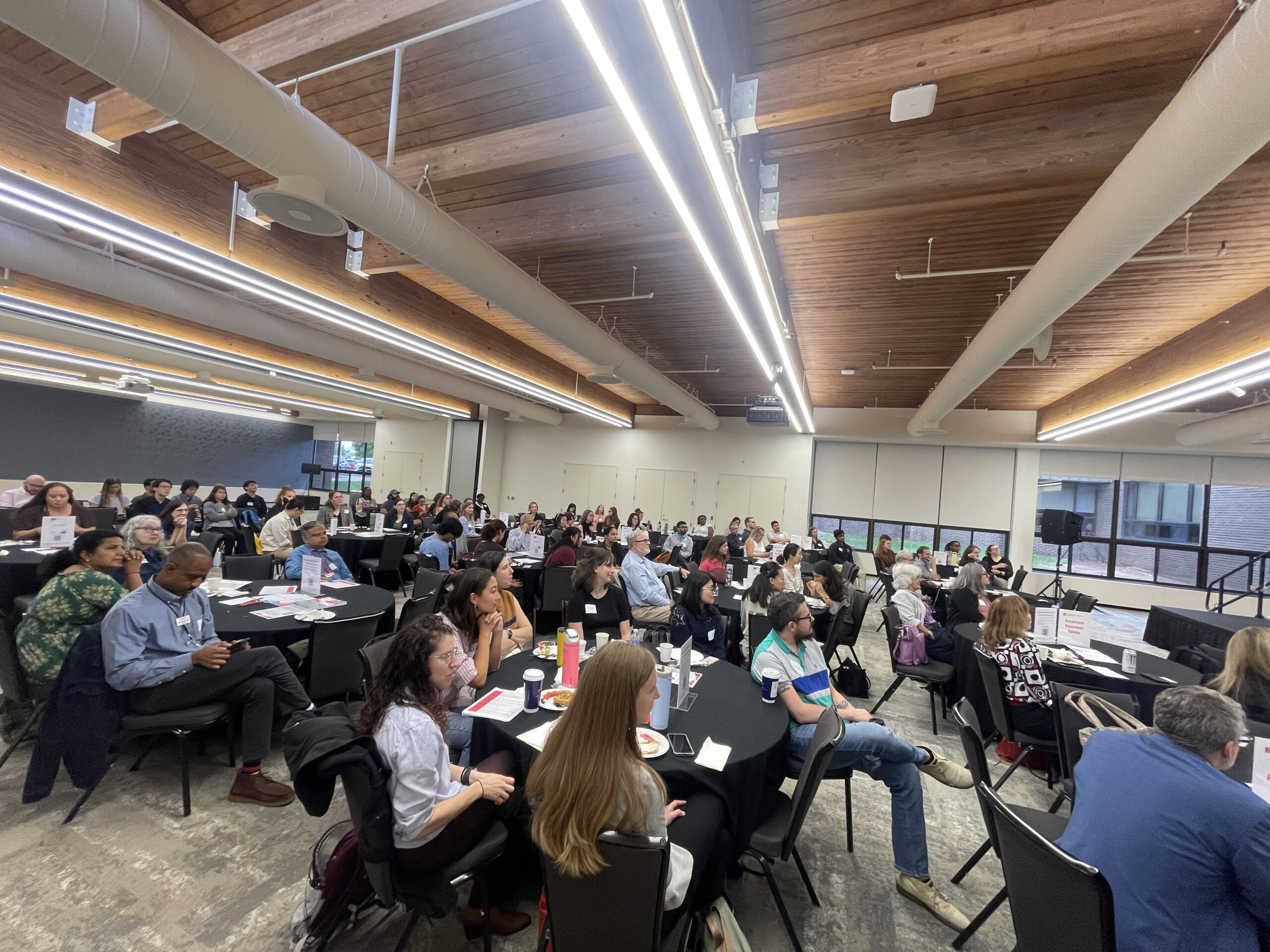
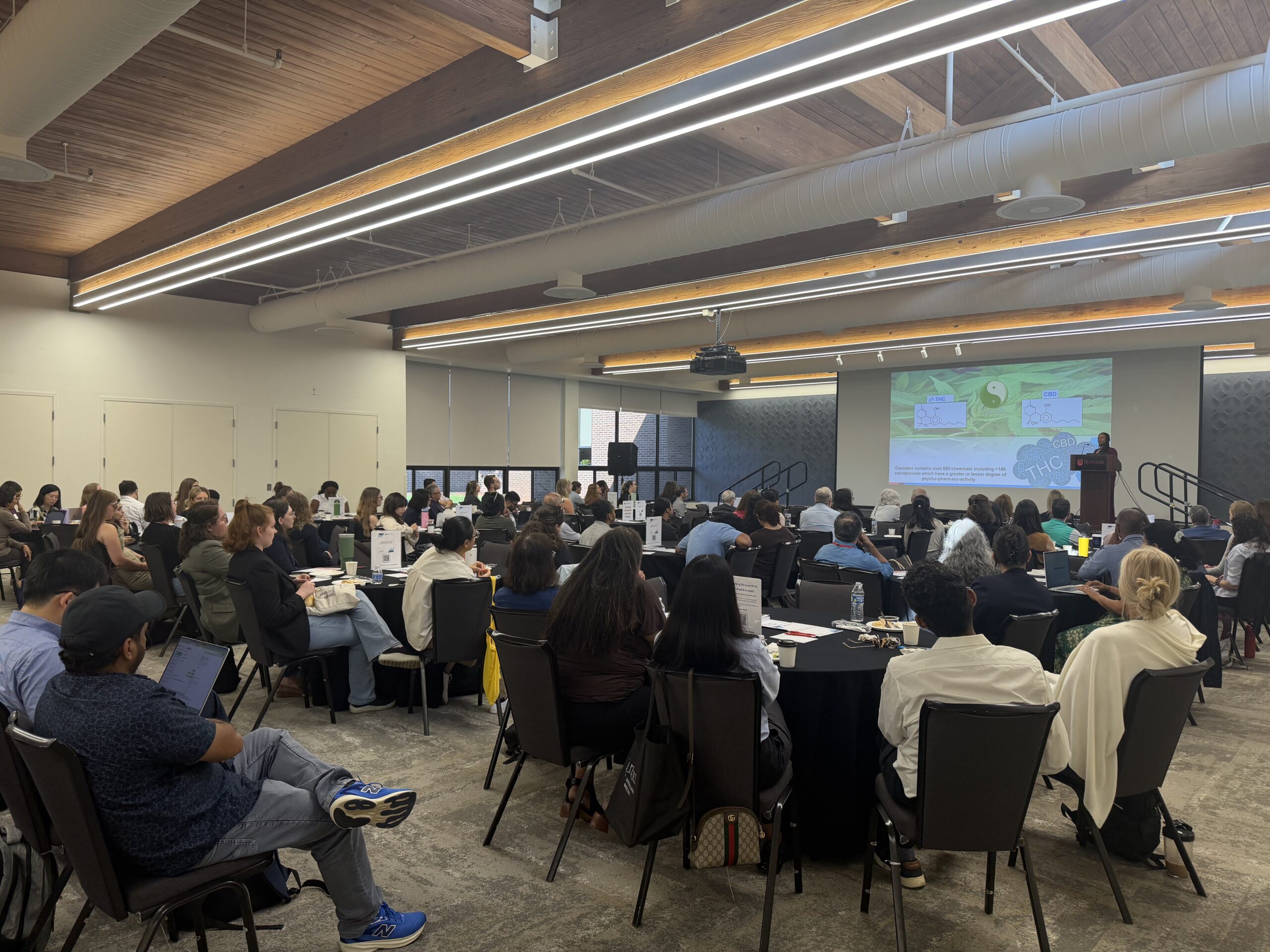
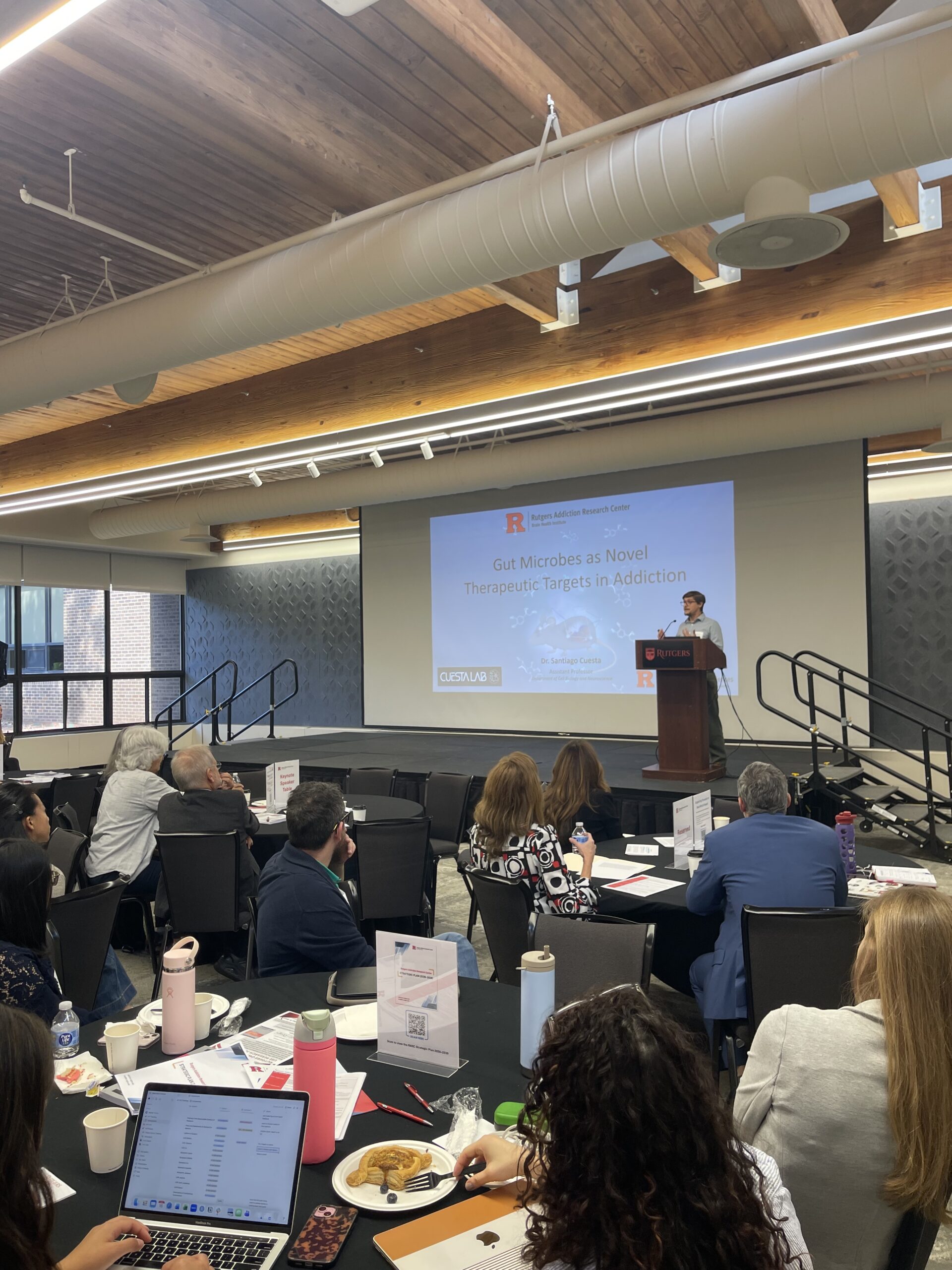
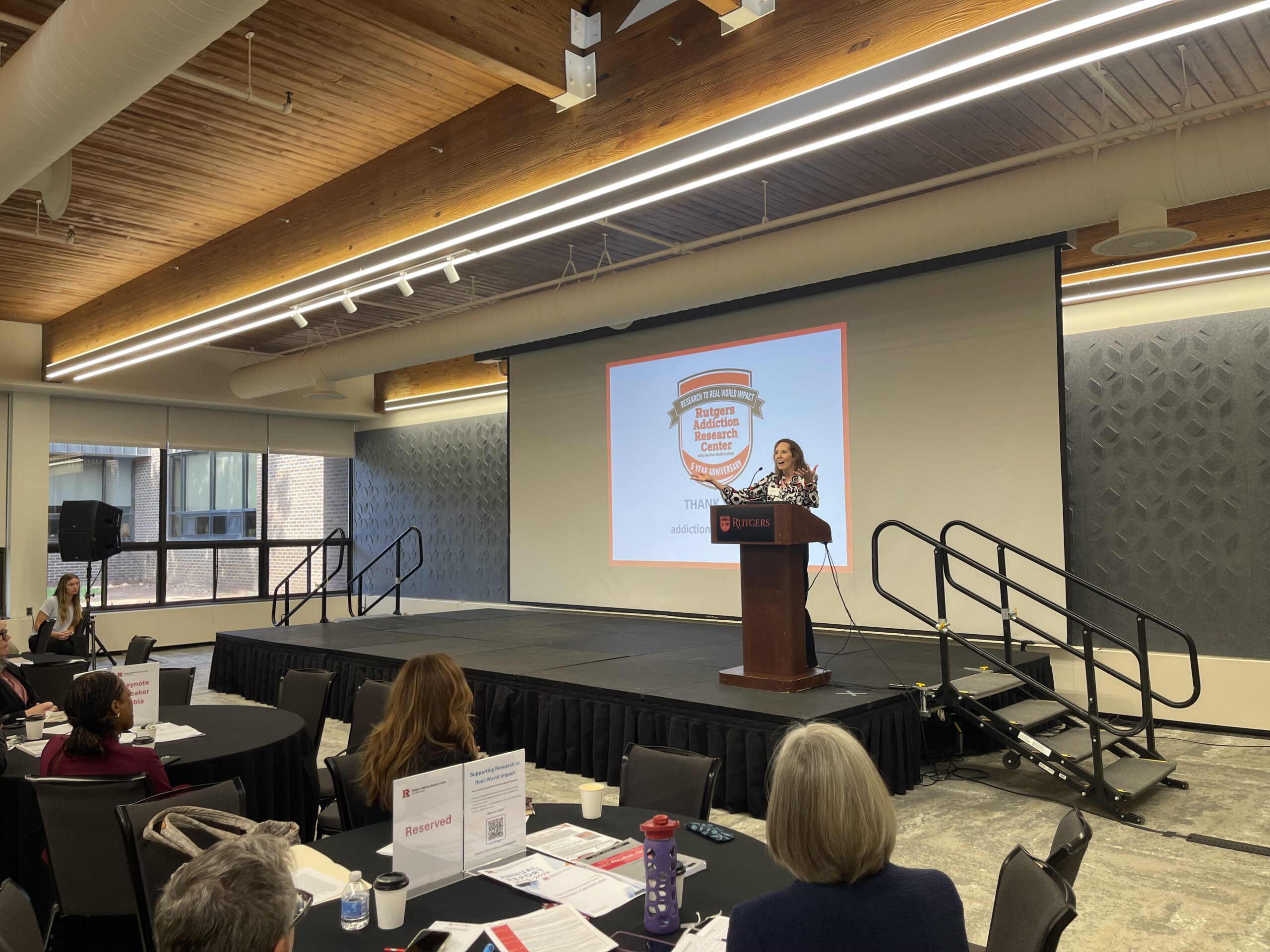
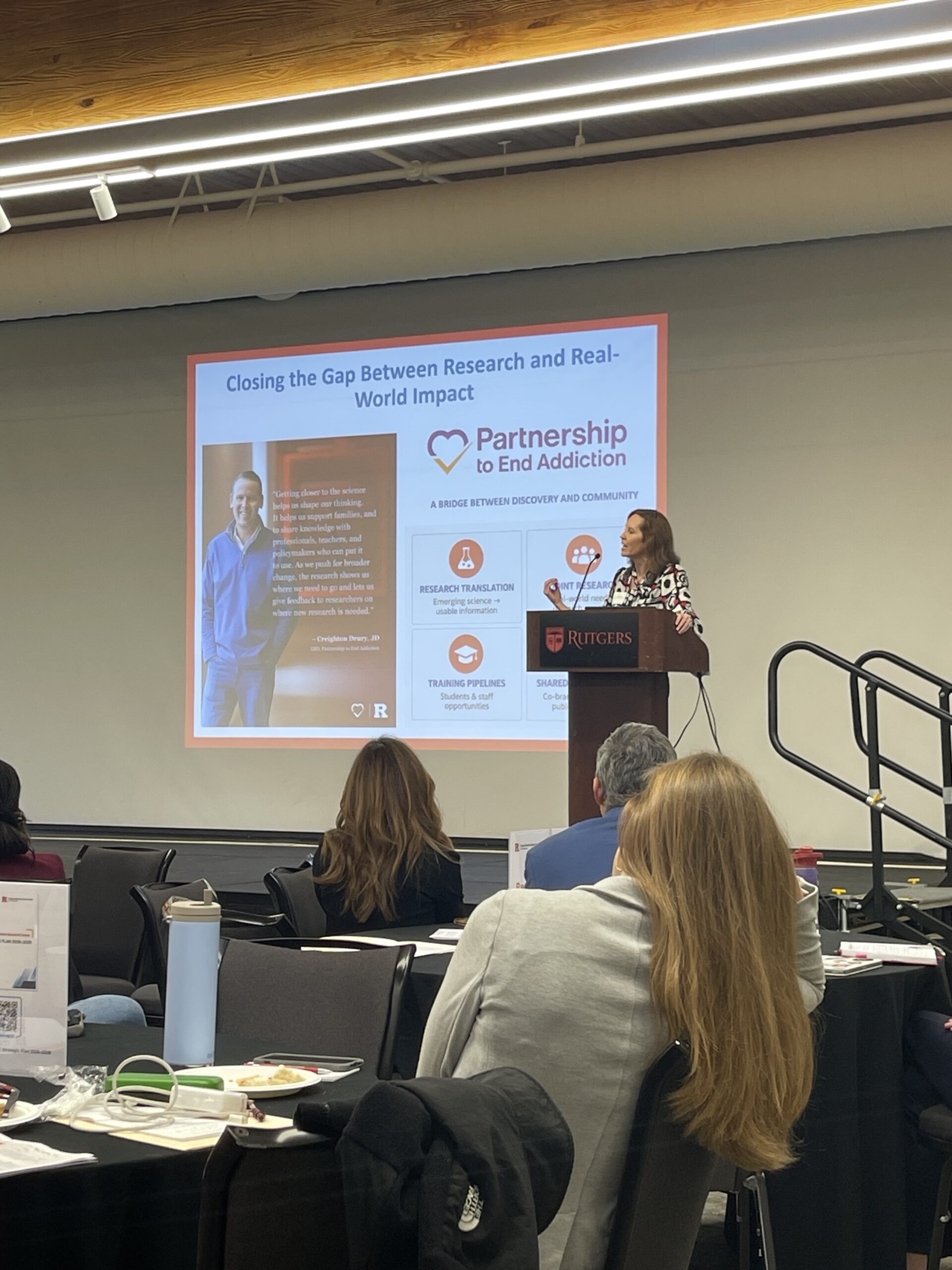
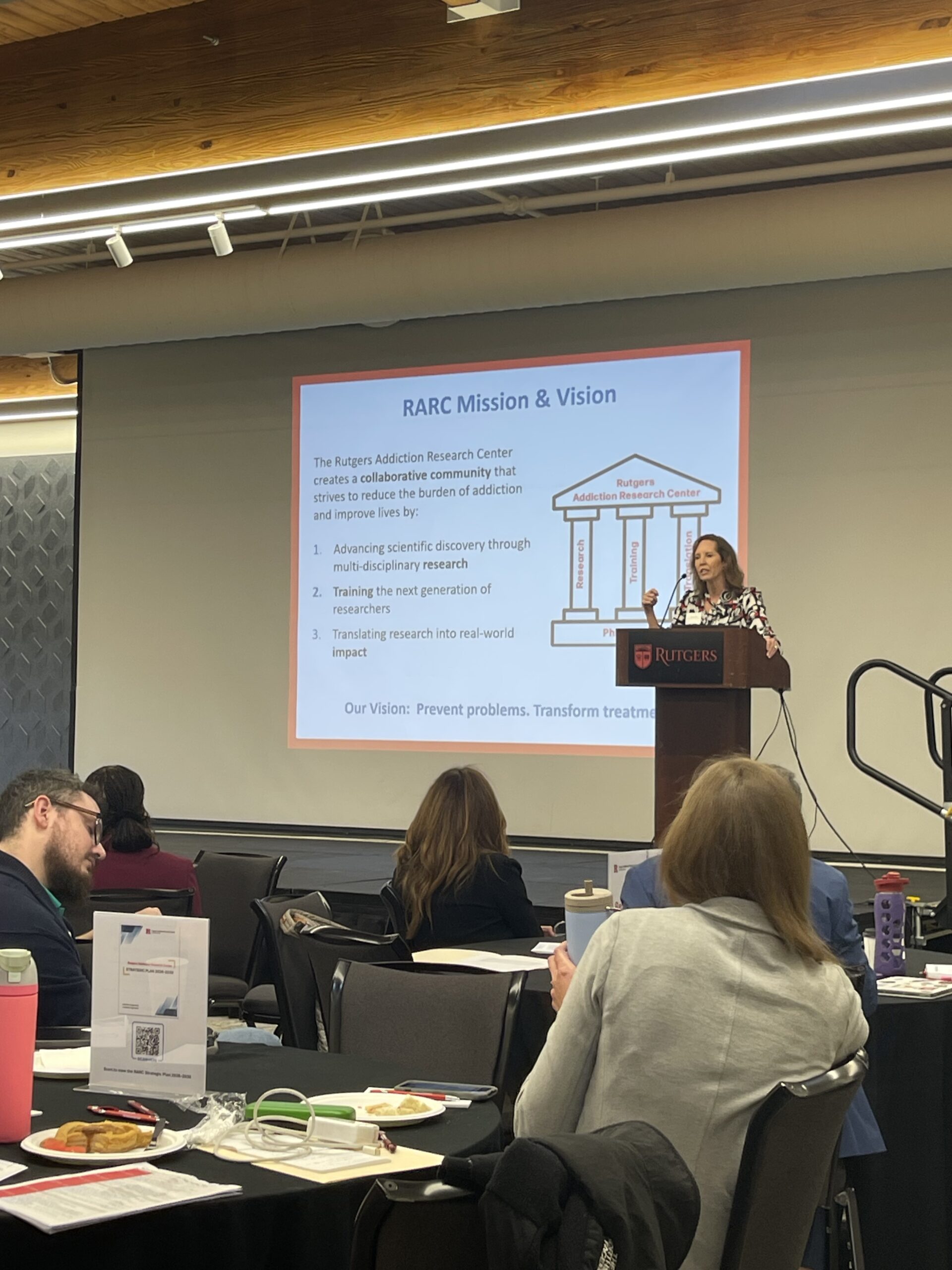
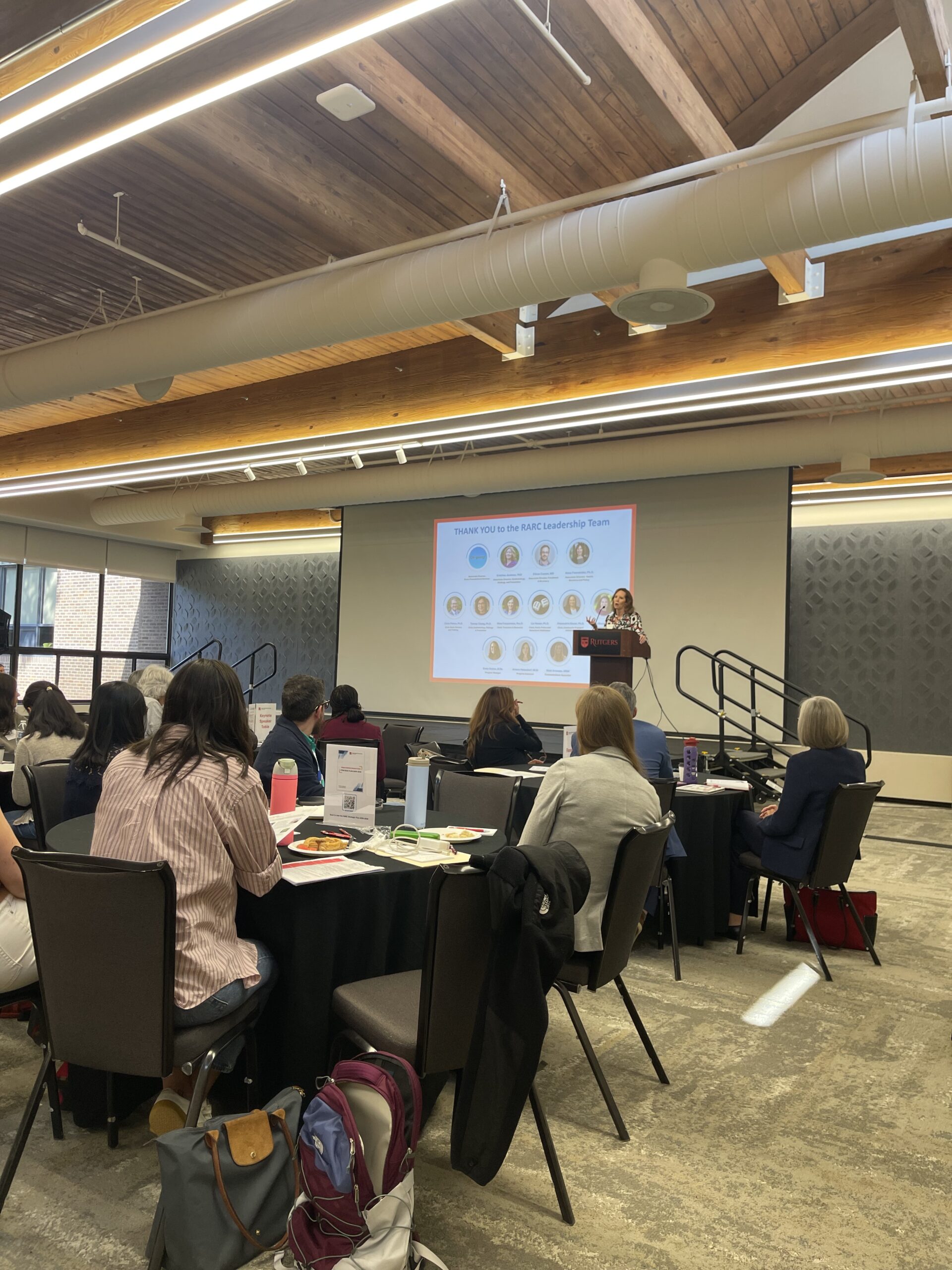
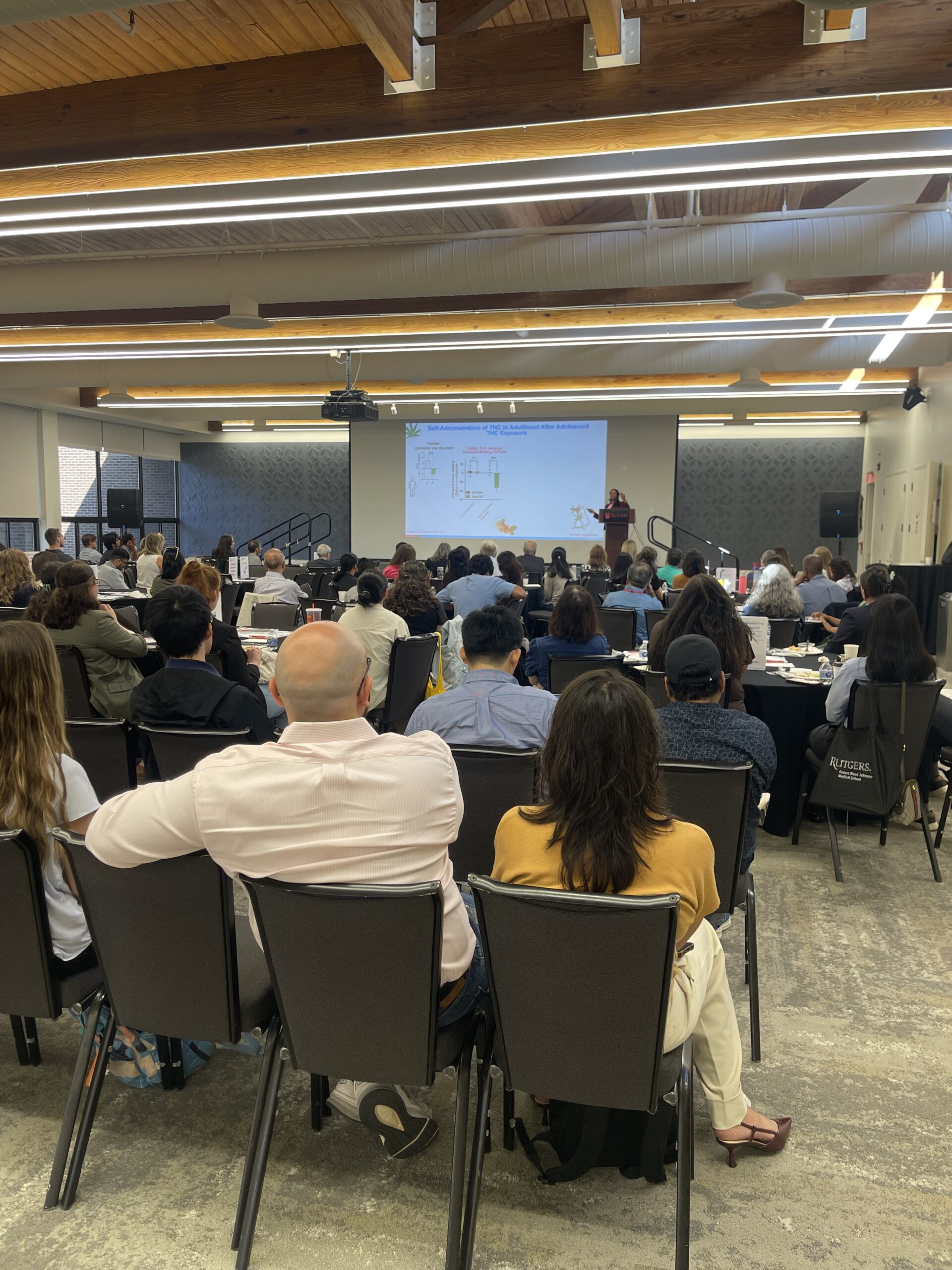
Thank you to everyone who joined us for the 2026 RARC Fall Symposium on Wednesday, September 16, as we celebrated the five-year anniversary of the Rutgers Addiction Research Center.
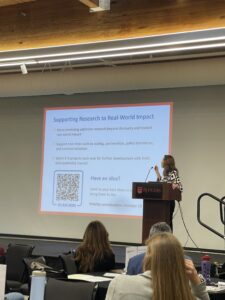
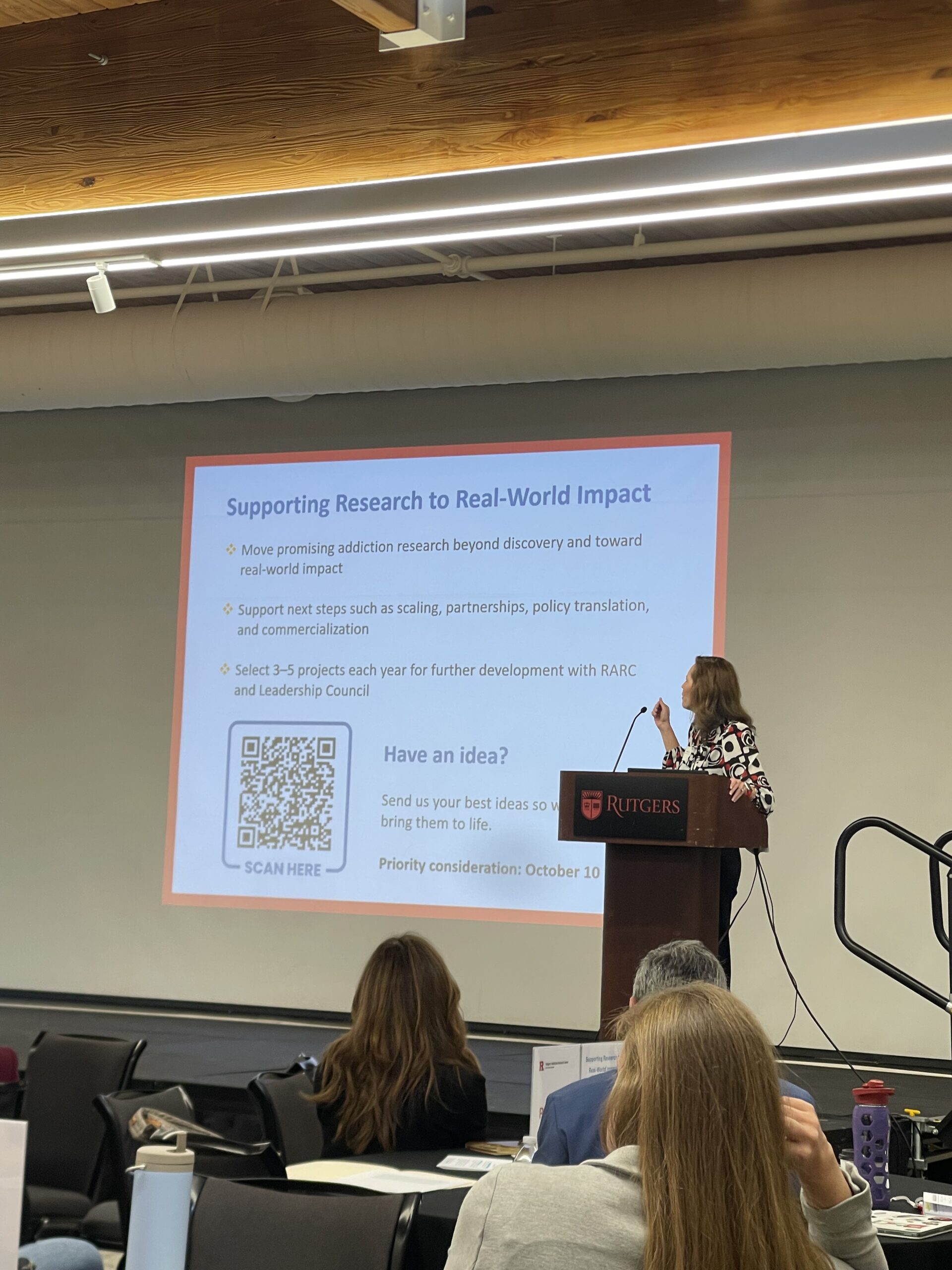
Researchers, clinicians, trainees, and community partners came together to share new findings and innovative approaches across addiction science, connect with colleagues, and explore the future of addiction research at Rutgers. This year’s theme, Research to Real-World Impact, highlighted RARC’s continued commitment to translating scientific discovery into meaningful impact for individuals, families, and communities.
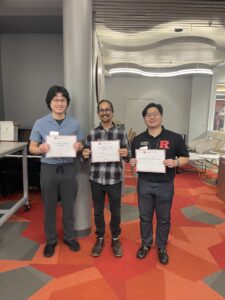
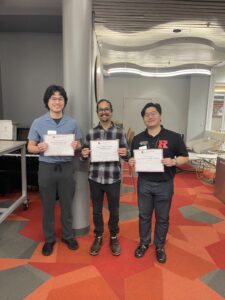
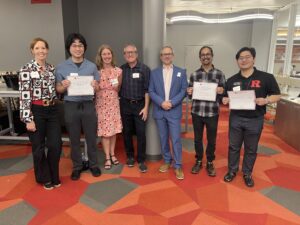
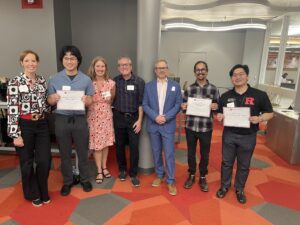
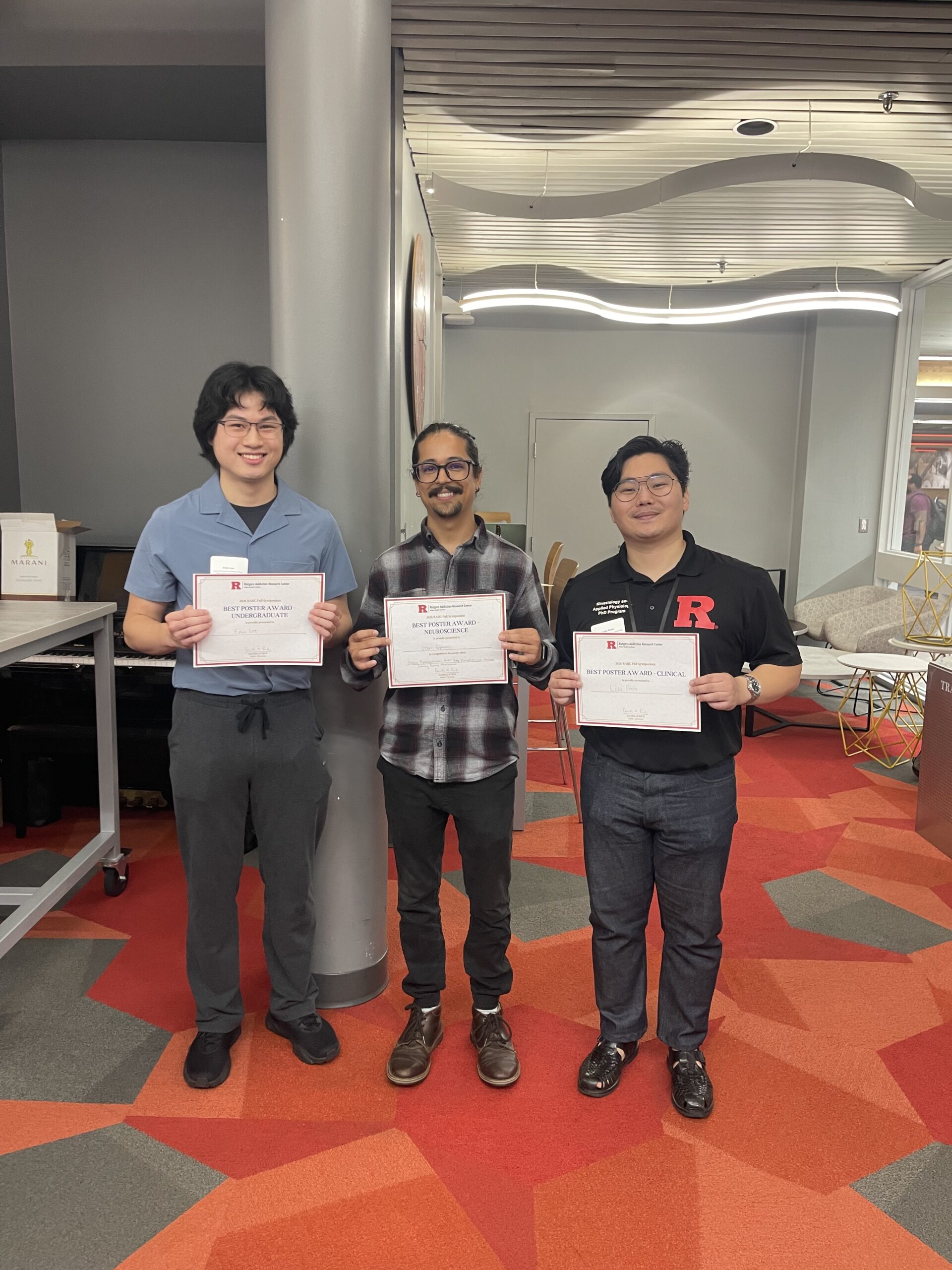
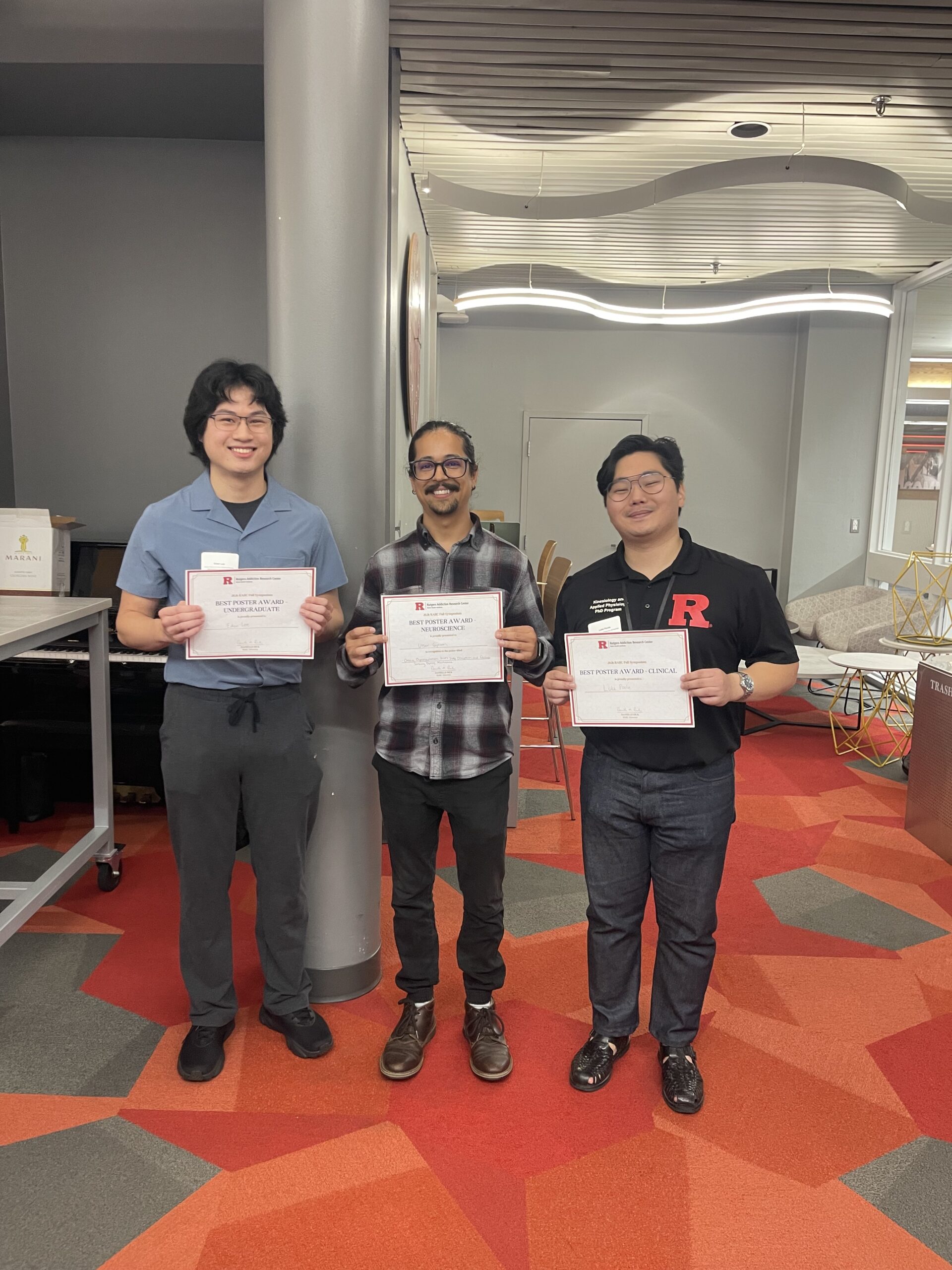
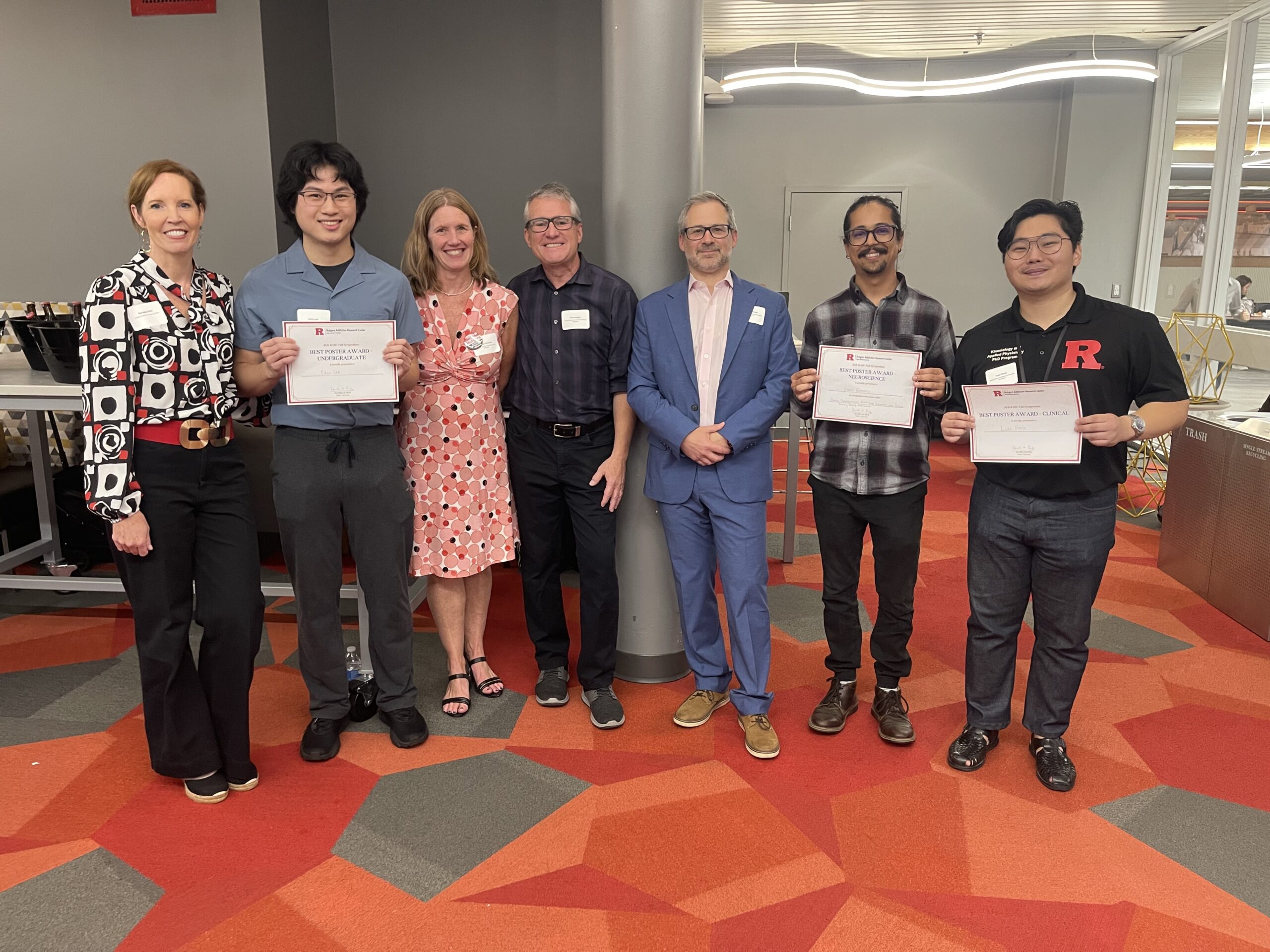
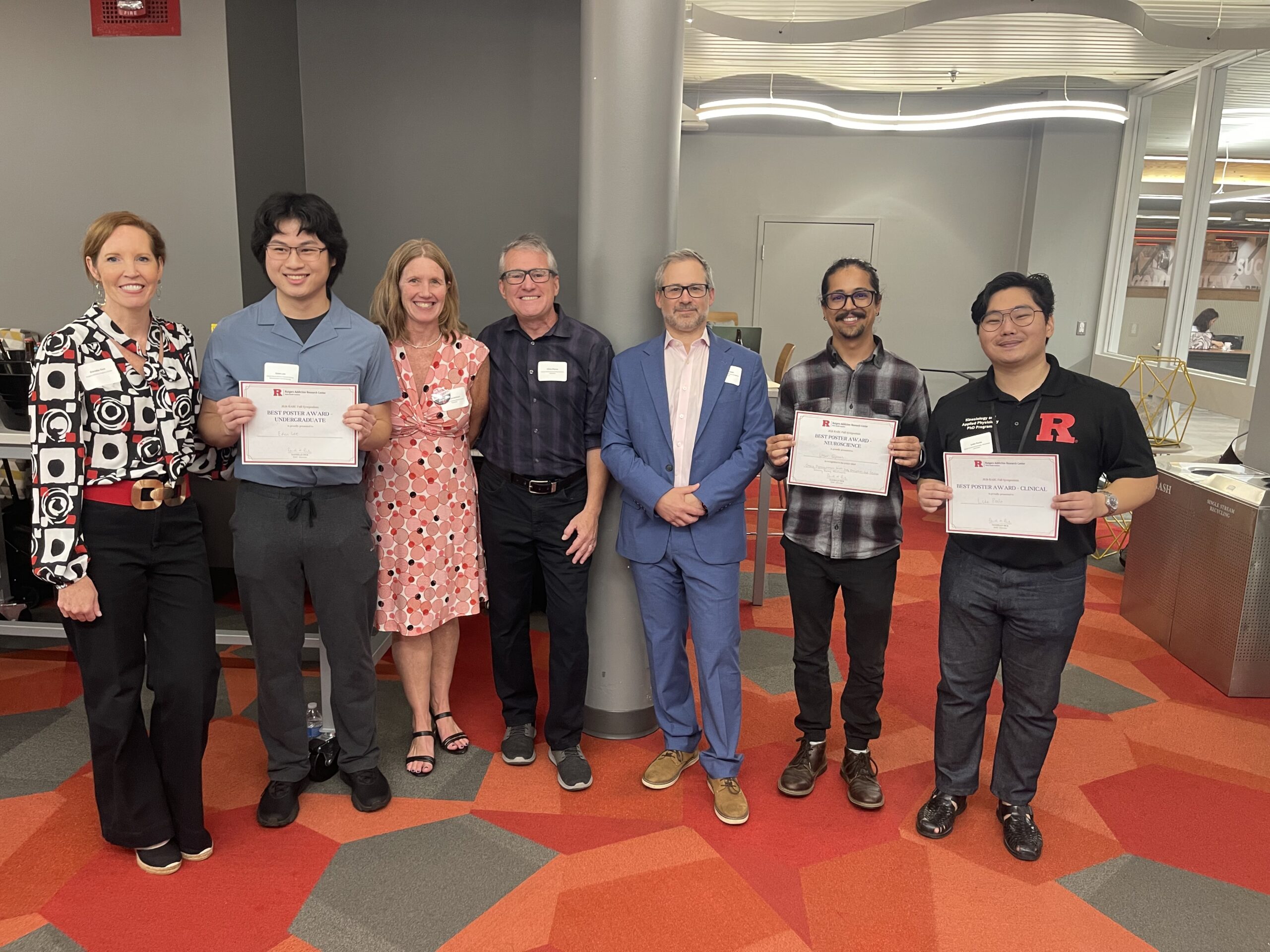
We were proud to recognize outstanding trainee research with our annual poster awards:
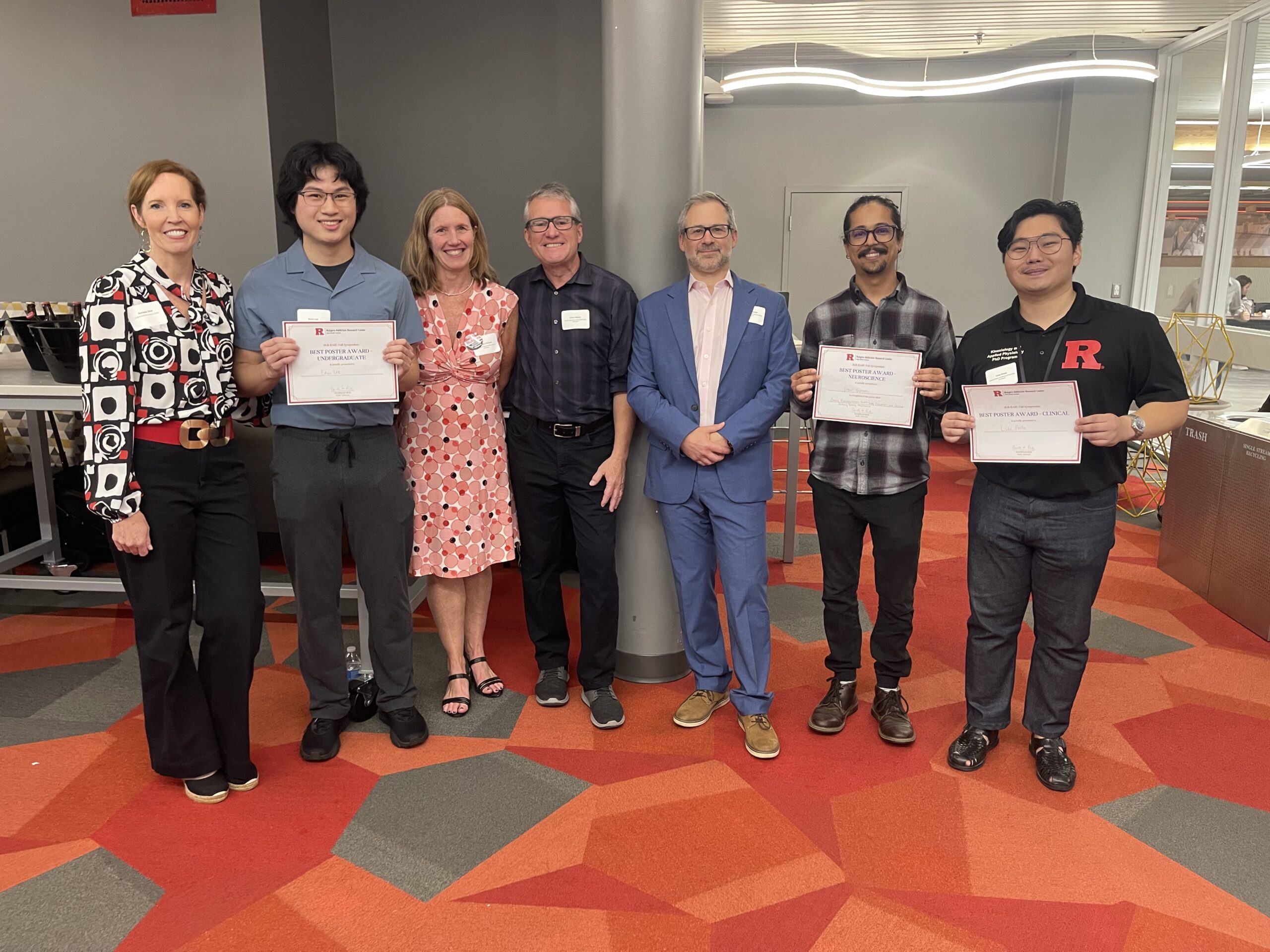
Top Poster – Clinical
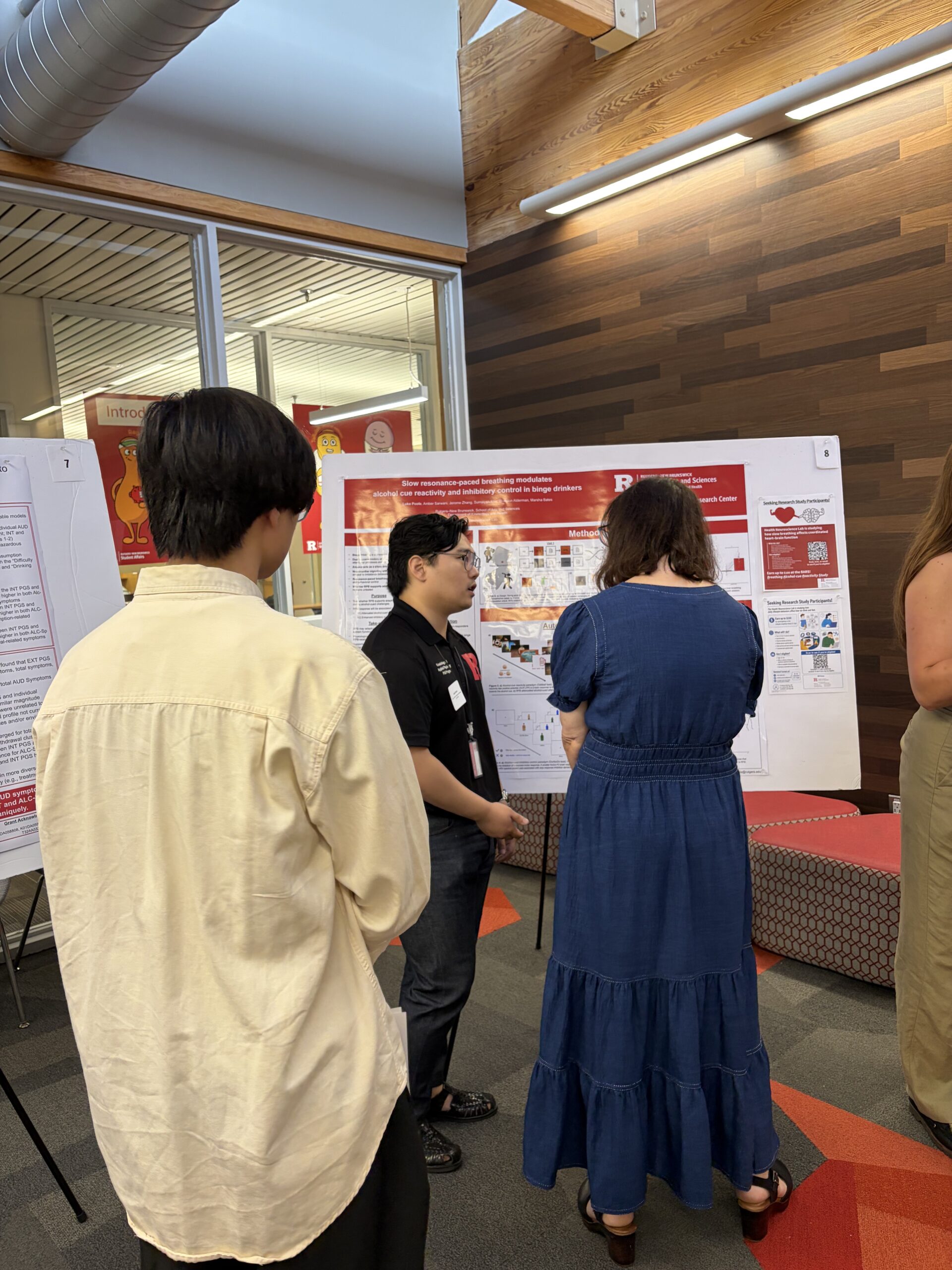
Resonance-Paced Breathing Modulates Alcohol Cue Reactivity and Inhibitory Control in Binge Drinkers
Authors: Luke Poole, Jerome Zhang, Sumaiyah Anis, Brandon Alderman, Marsha Bates
This study examined whether resonance-paced breathing, a heart rate variability biofeedback technique, could influence alcohol cue reactivity and inhibitory control among young adult binge drinkers. Stronger physiological responses to resonance-paced breathing were associated with adaptive changes in alcohol cue reactivity and cognitive control, highlighting the potential of this approach for understanding and regulating body–brain processes involved in addictive behaviors.
Top Poster – Neuroscience
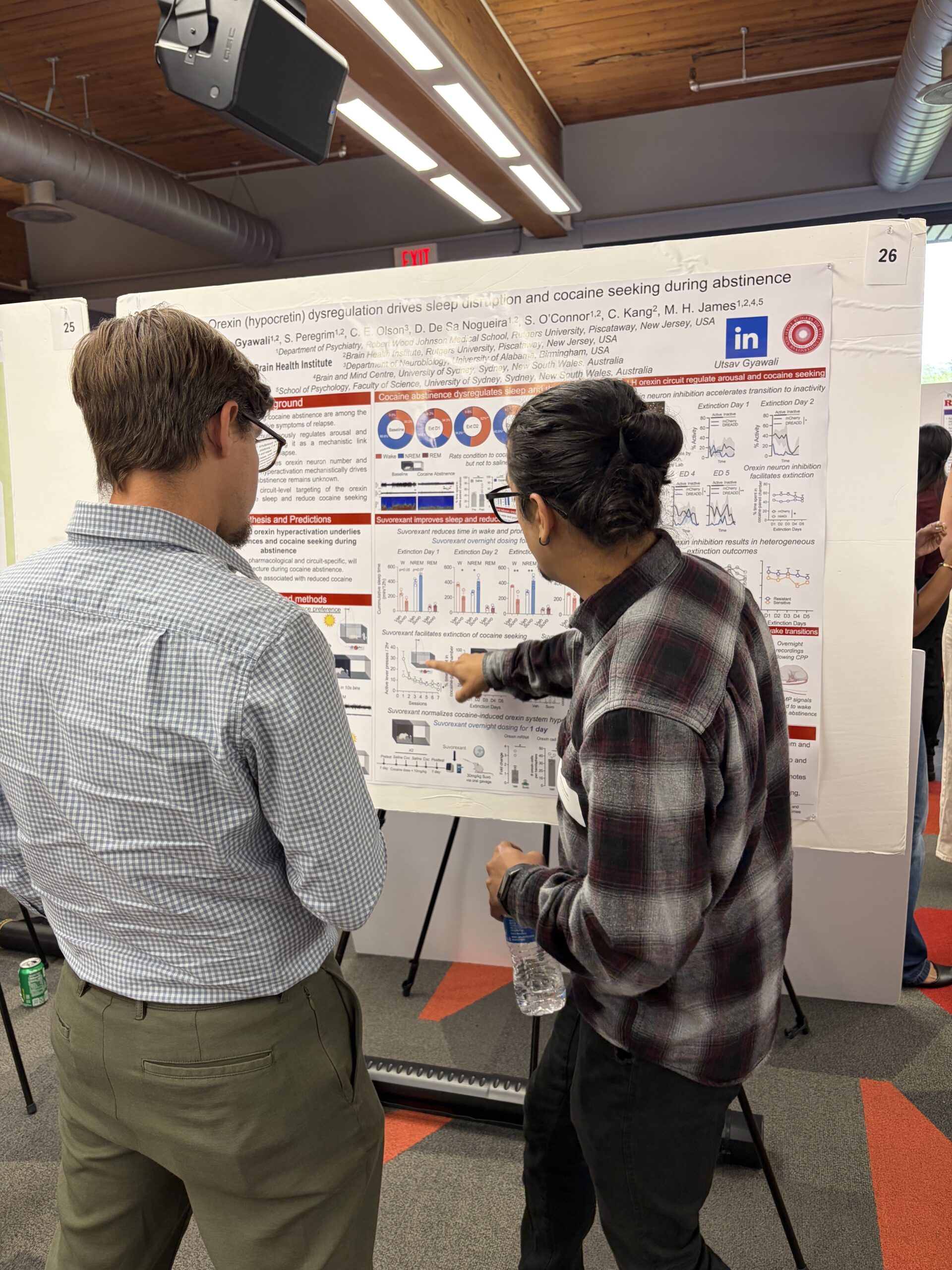
Orexin Dysregulation Drives Sleep Disruption and Cocaine Seeking During Abstinence
Authors: Utsav Gyawali, S. Peregrim, C. E. Olson, D. De Sa Nogueira, S. O’Connor, C. Kang, M. H. James
This research examined the role of the orexin system in linking sleep disruption with cocaine seeking during abstinence. Findings suggest that cocaine-induced orexin dysregulation contributes to fragmented sleep and persistent drug-seeking behavior, identifying orexin circuitry as a potential mechanistic link between sleep disturbance and relapse vulnerability.
Top Poster – Undergraduate
AAV-Mediated VPS35 Expression Improves Locomotor Deficits in Dopamine Neuron-Specific Synj1 Conditional Knockout Mice
Authors: Eden Lee, Justin Cai, Manav Shah, Nirmal Kumar, Ping-Yue Pan
This study investigated whether increasing expression of VPS35, a Parkinson’s disease-linked gene involved in endosomal trafficking, could improve motor impairments associated with loss of Synj1 in dopamine neurons. AAV-mediated VPS35 expression improved several measures of locomotor function, suggesting that VPS35 overexpression can partially restore motor deficits associated with dopamine neuron-specific Synj1 deletion.
Congratulations to Luke, Utsav, and Eden, and thank you to all of the trainees and researchers who presented their work at this year’s symposium.
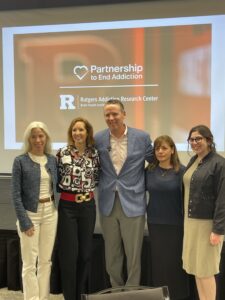
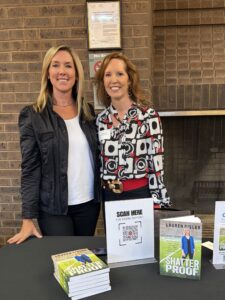
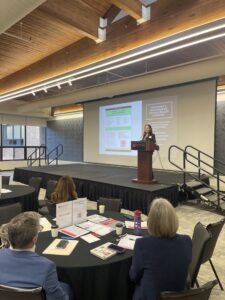
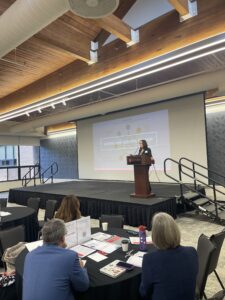
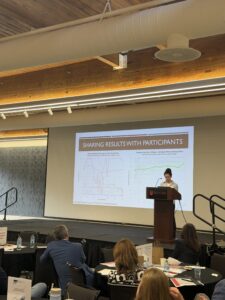
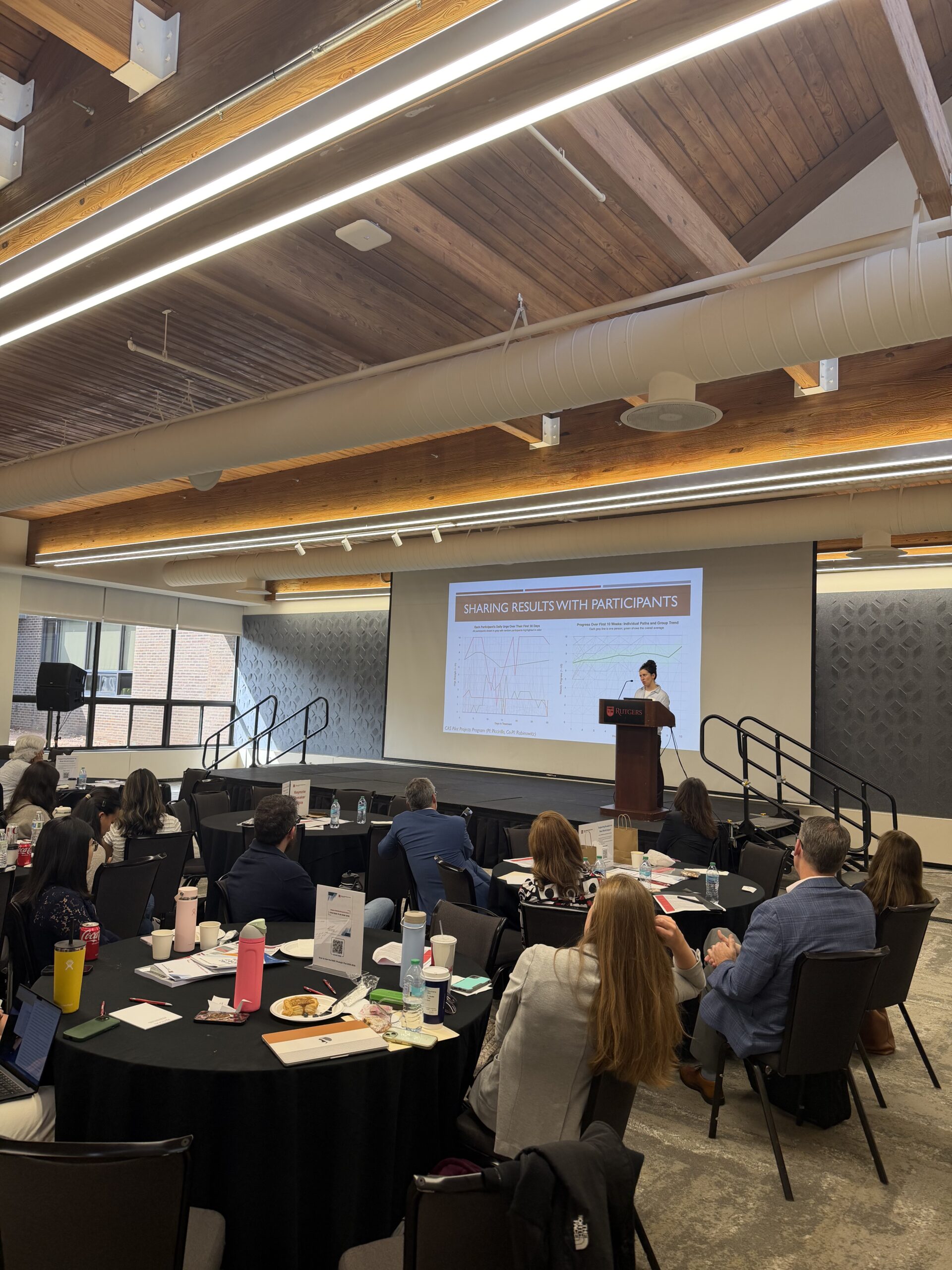
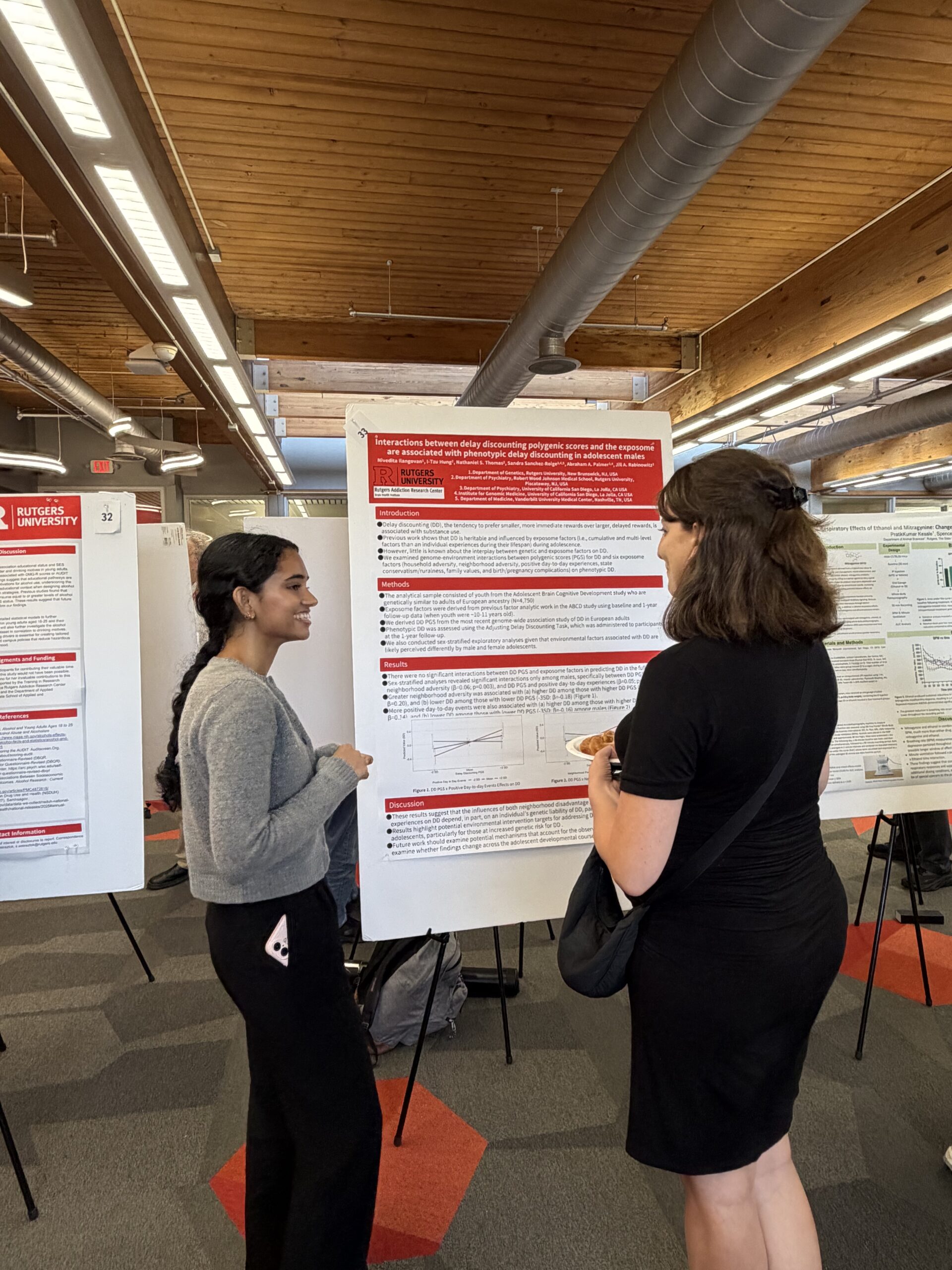
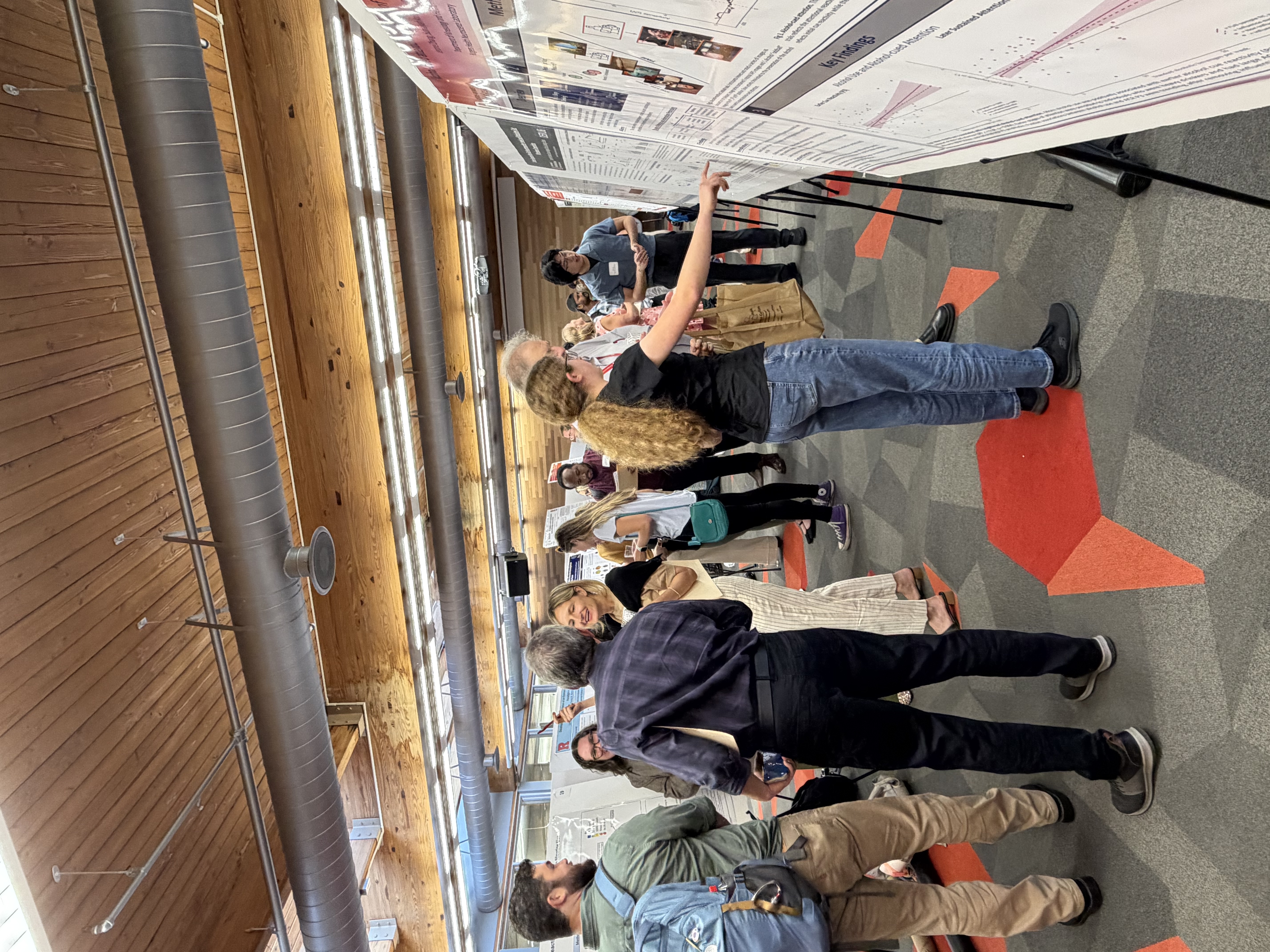
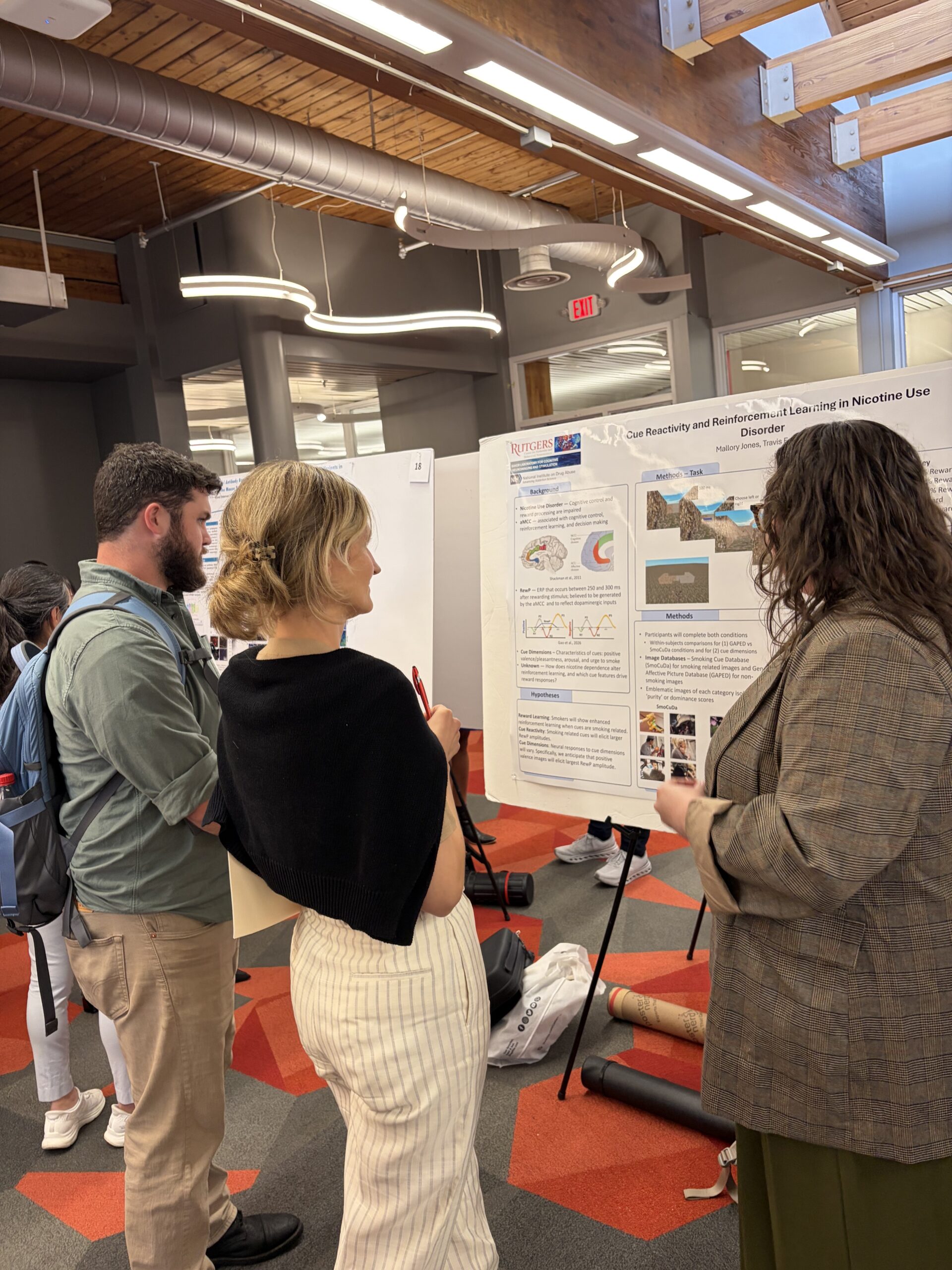
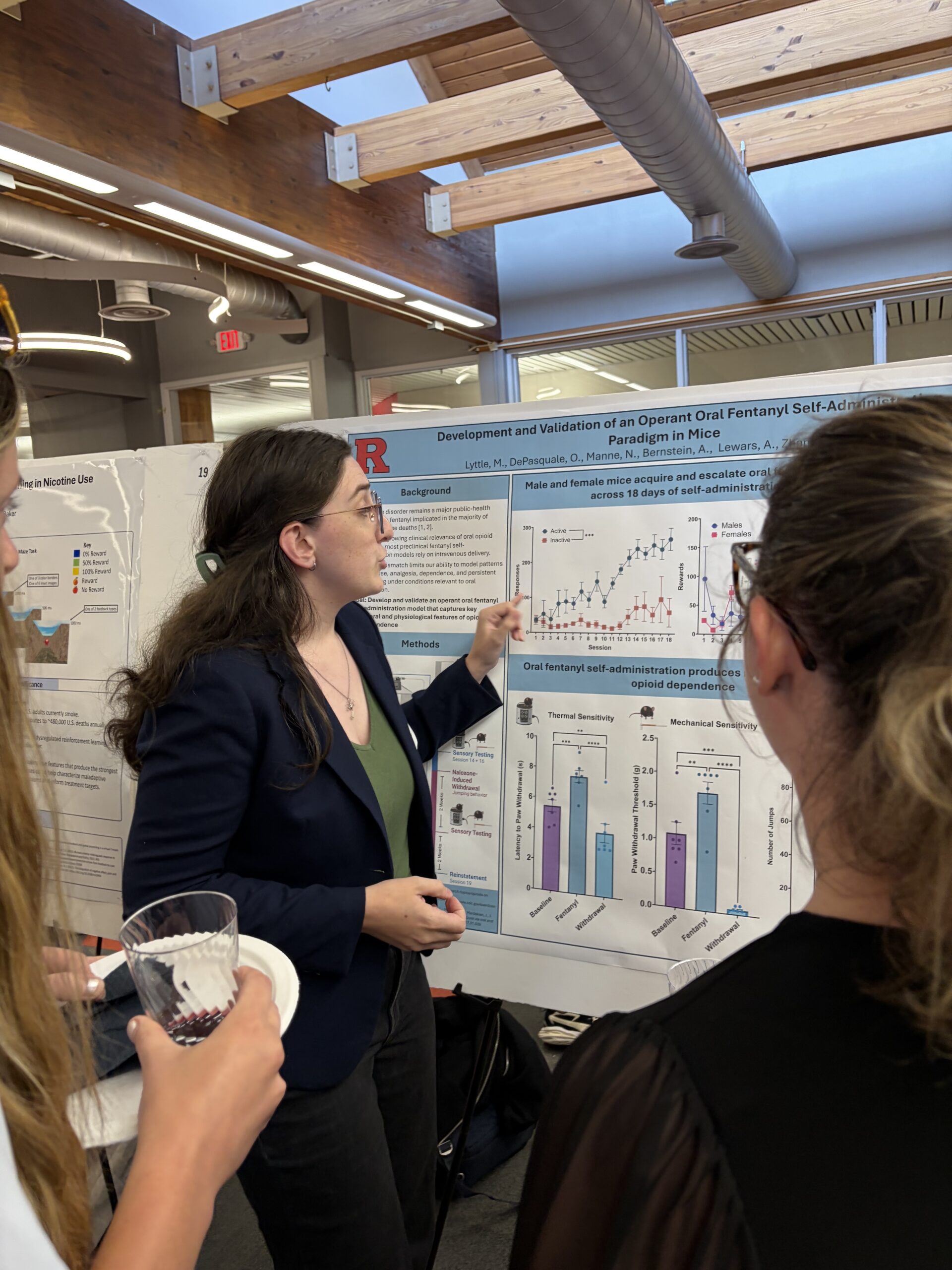
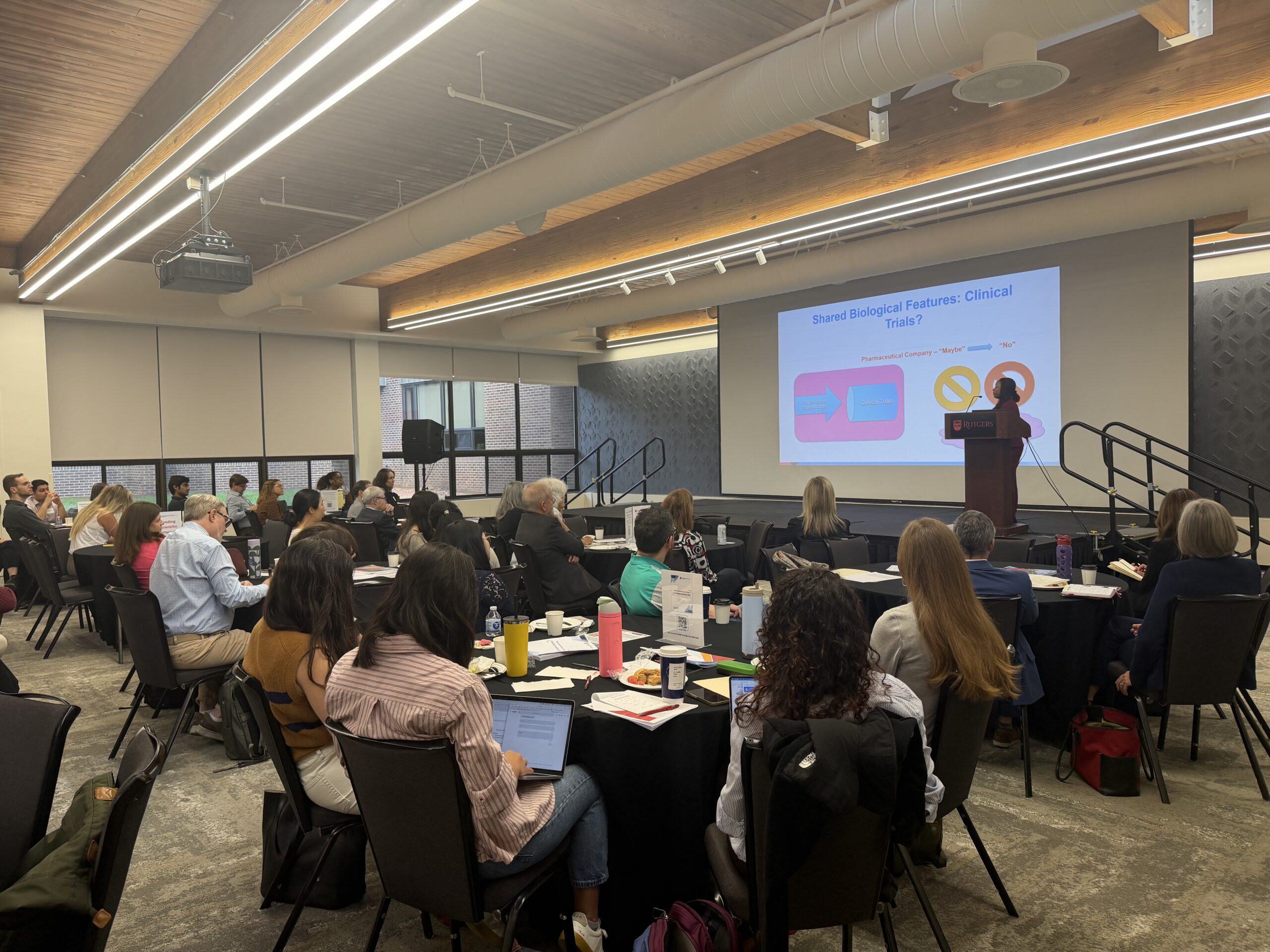
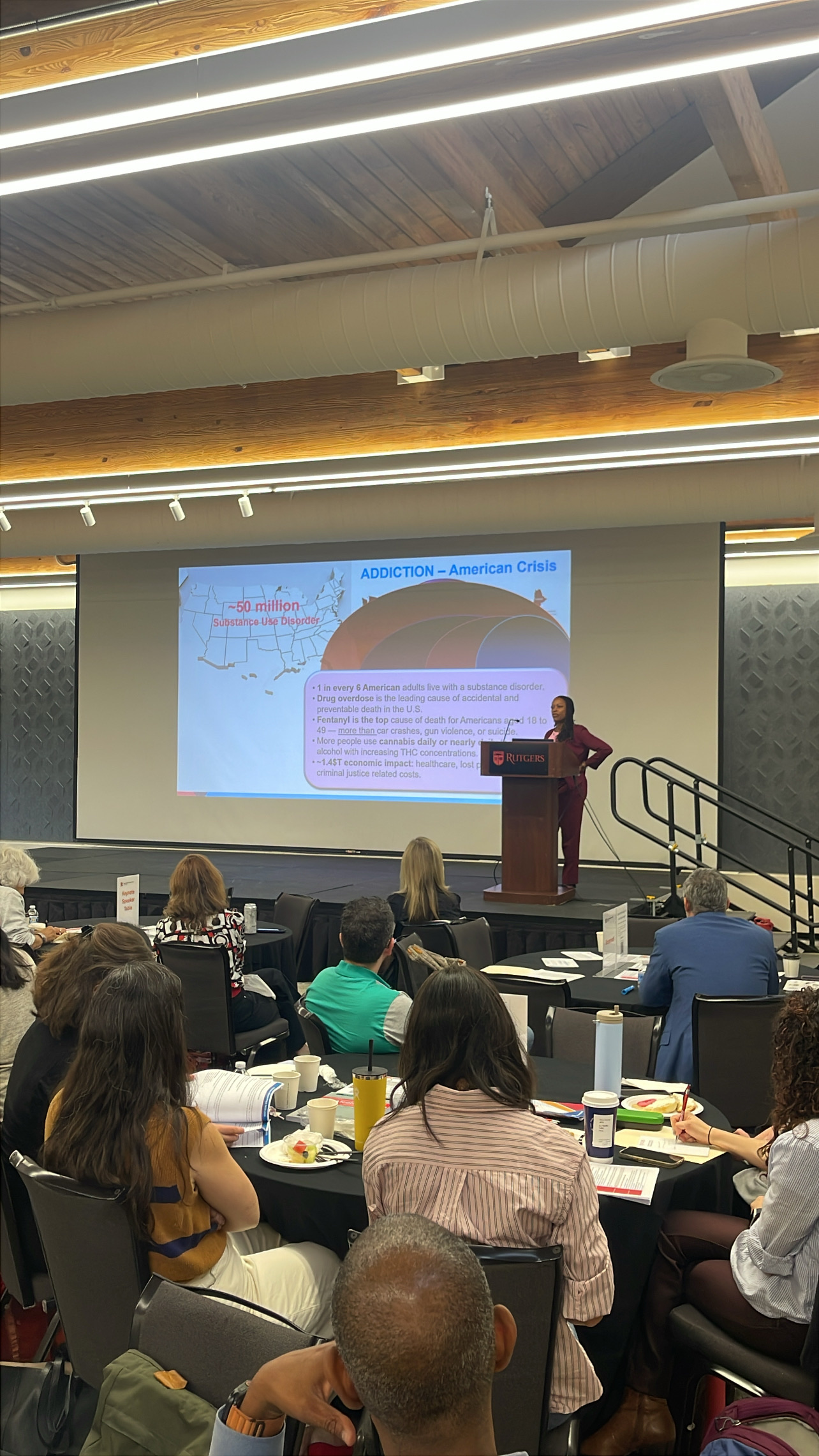
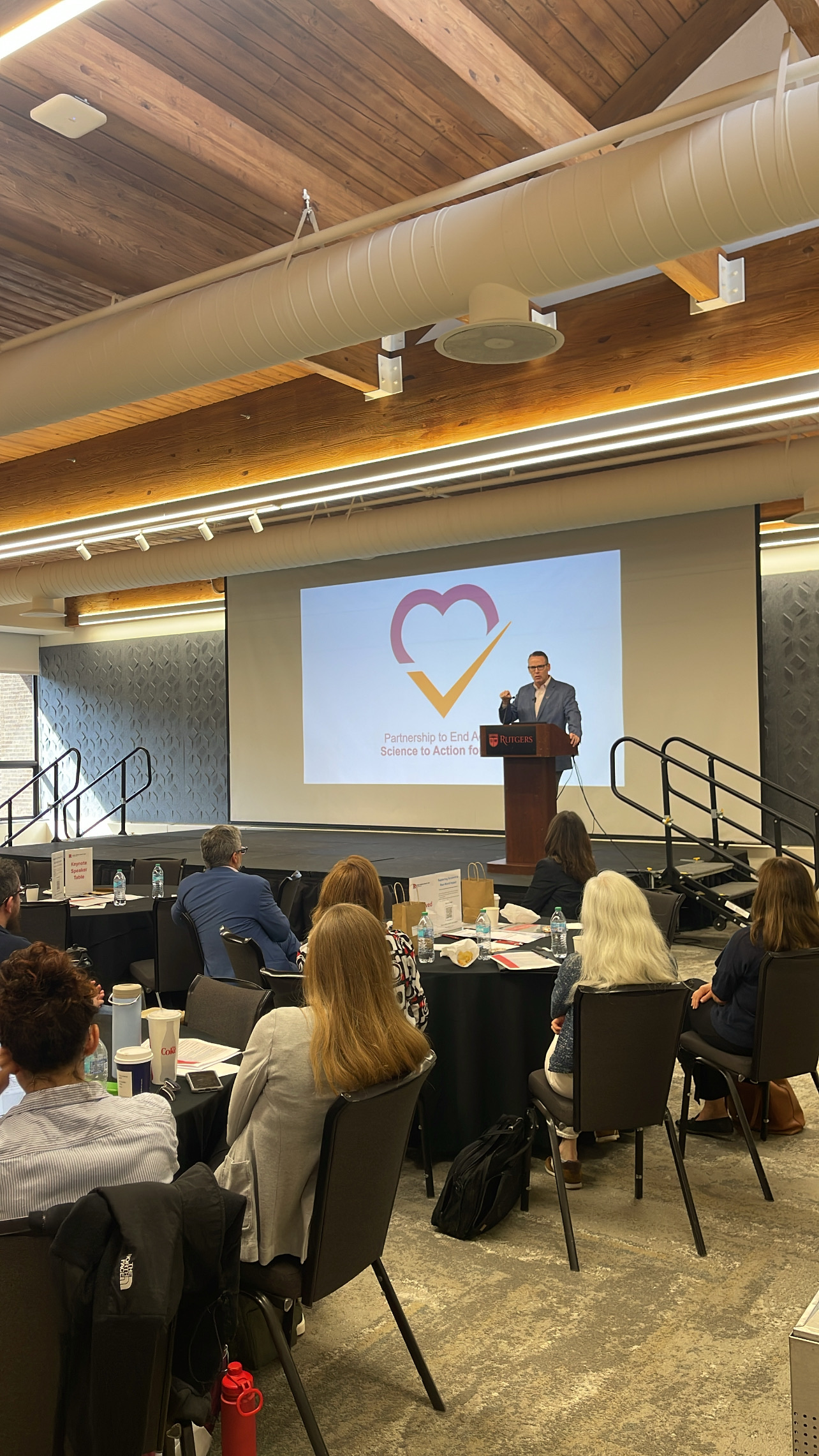
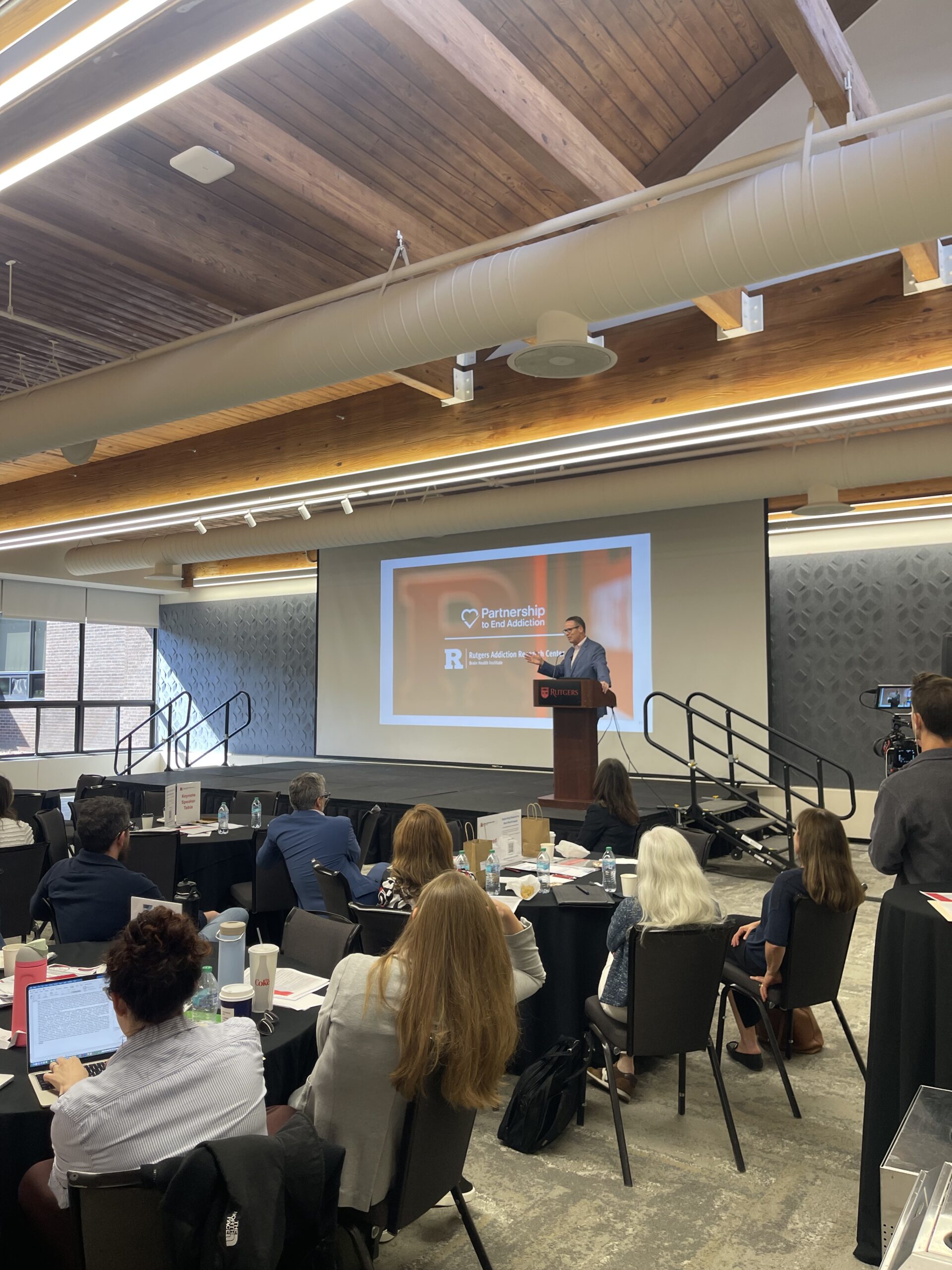
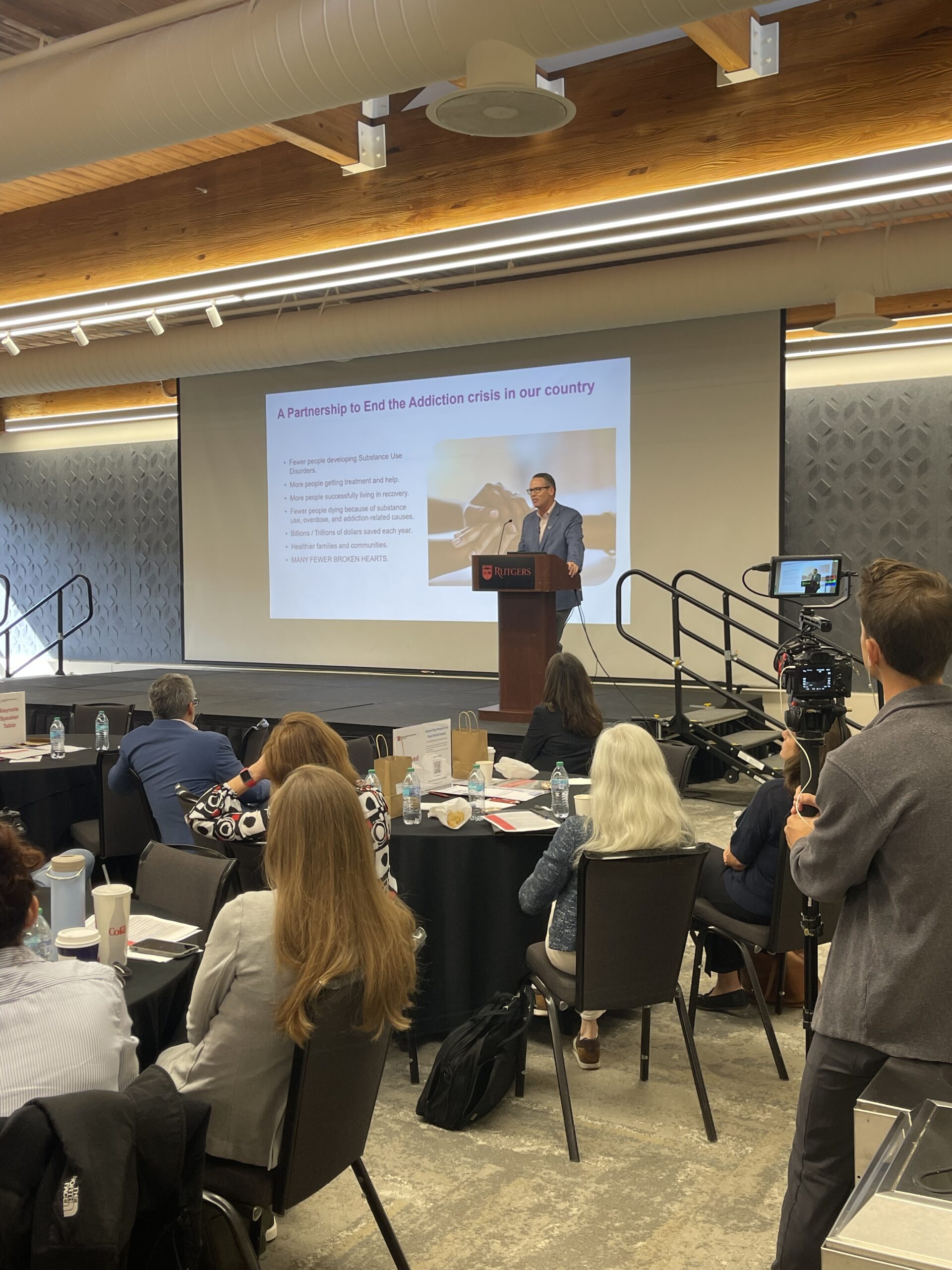
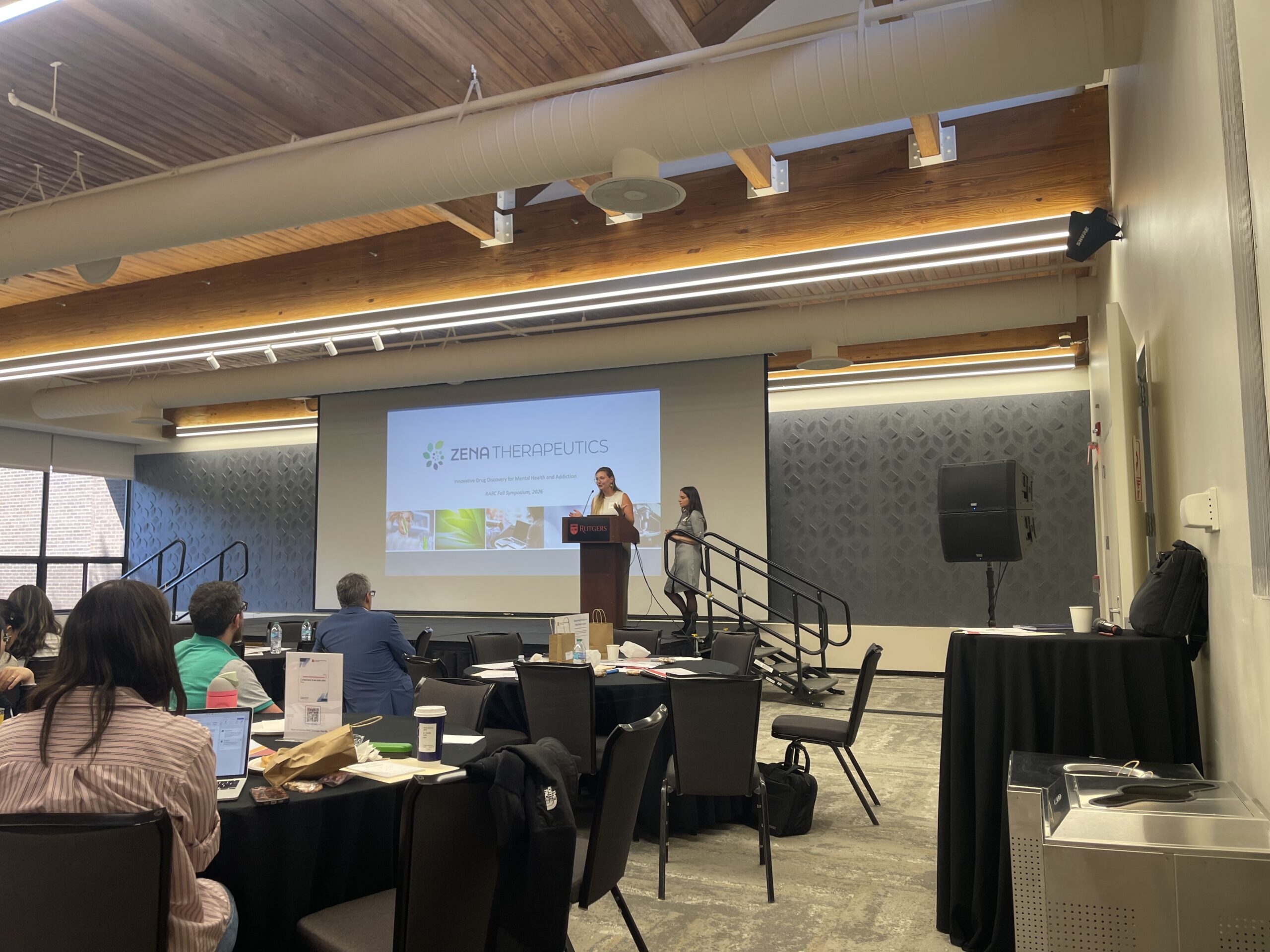
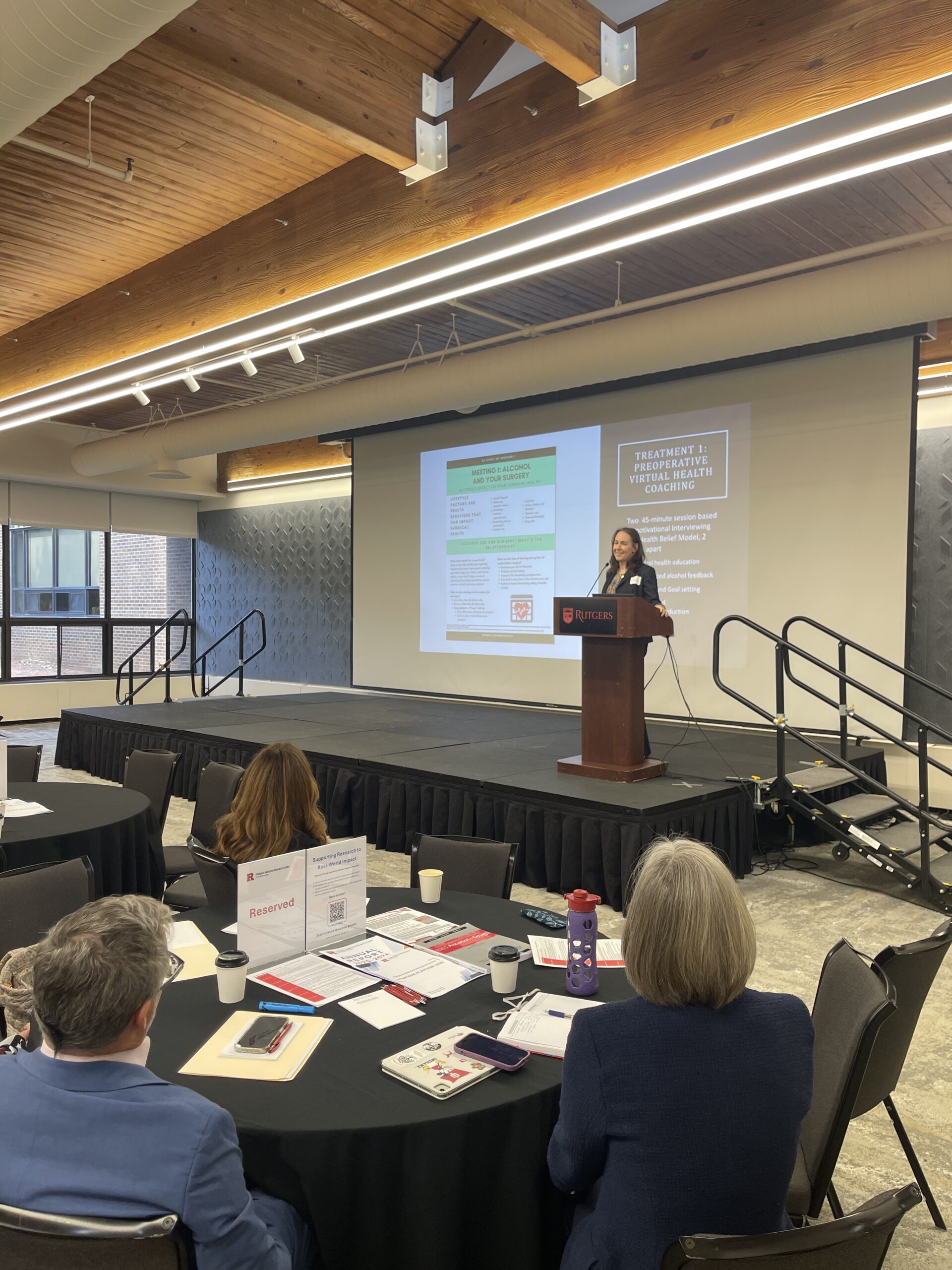
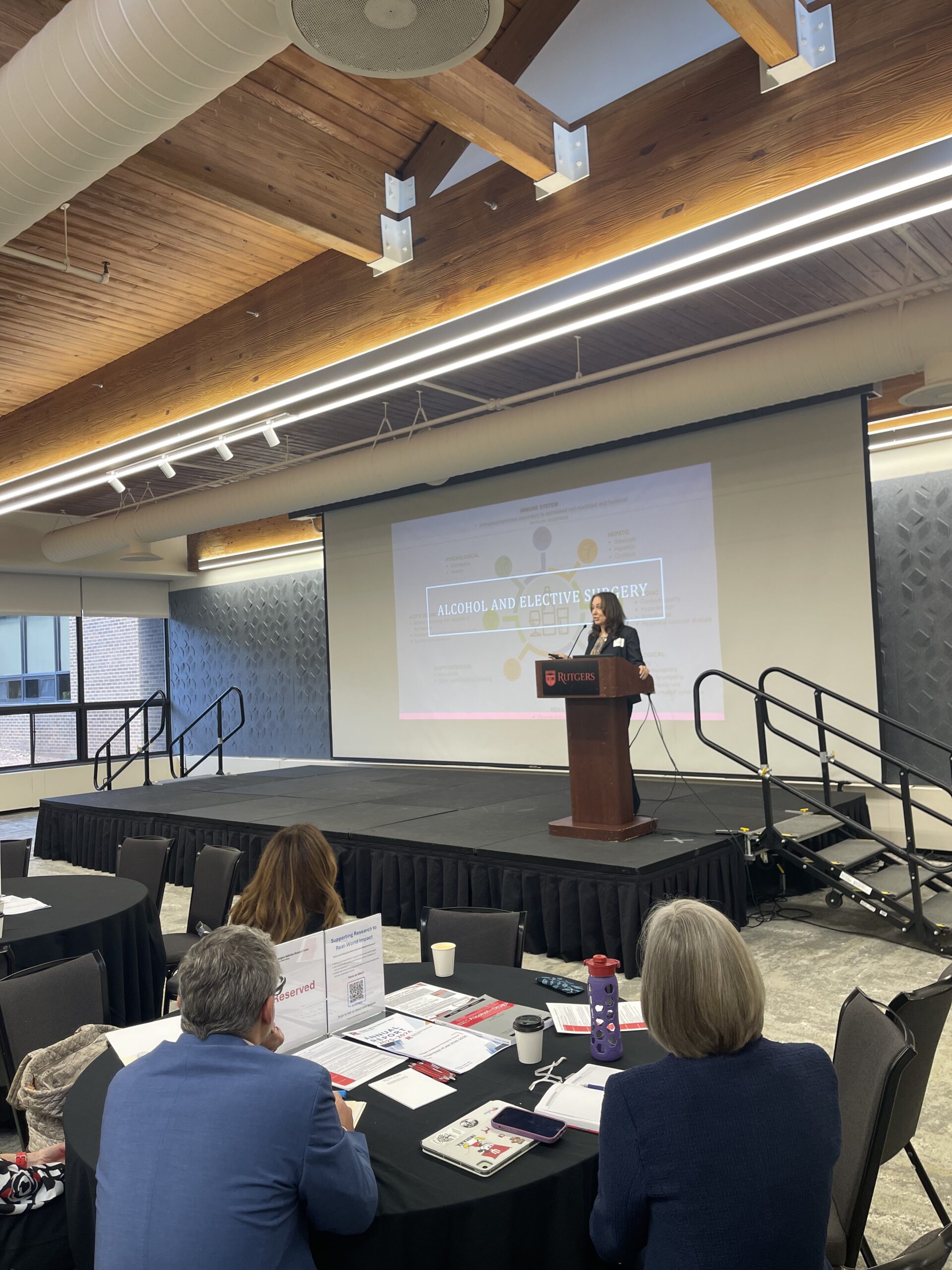
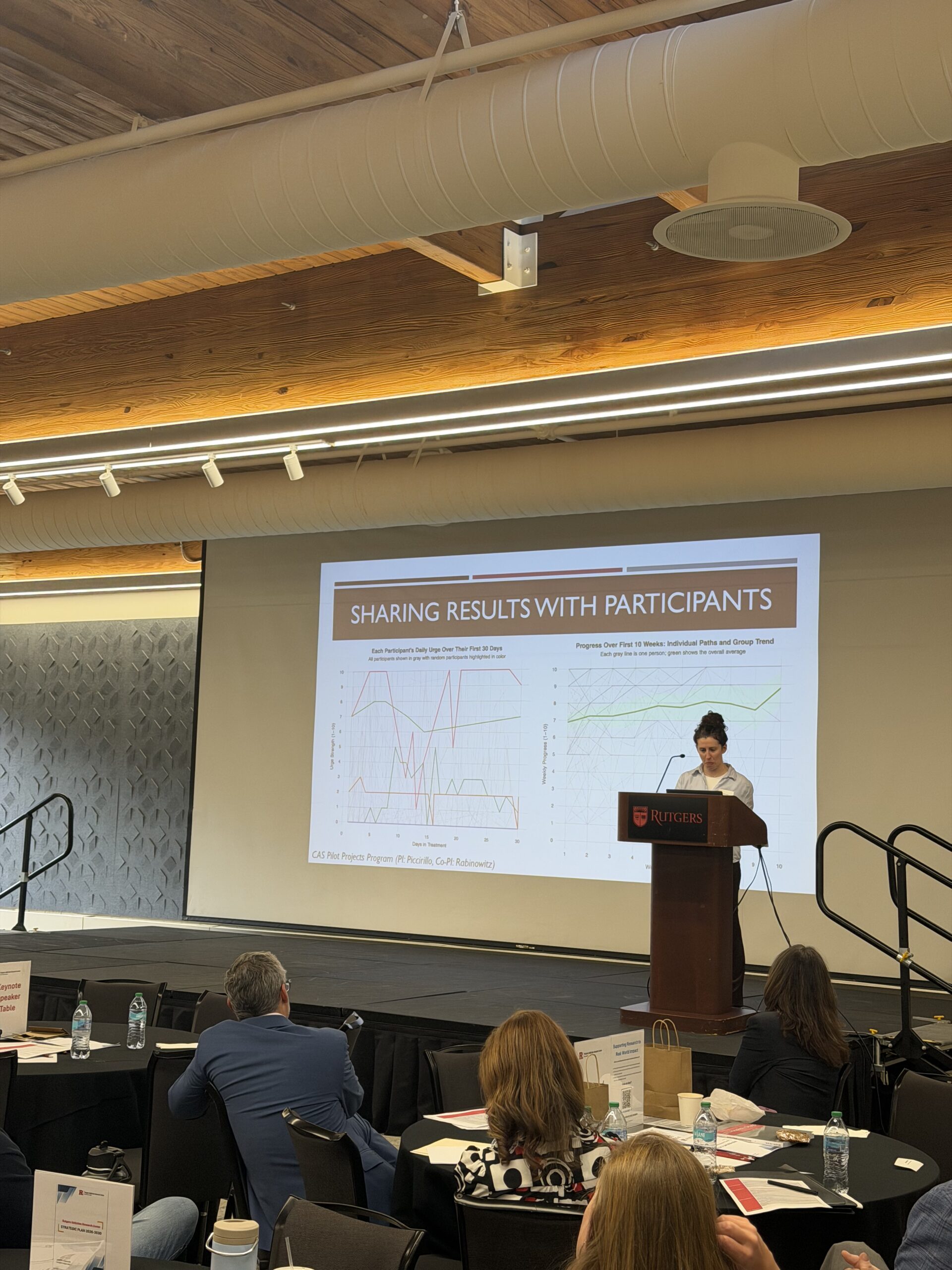
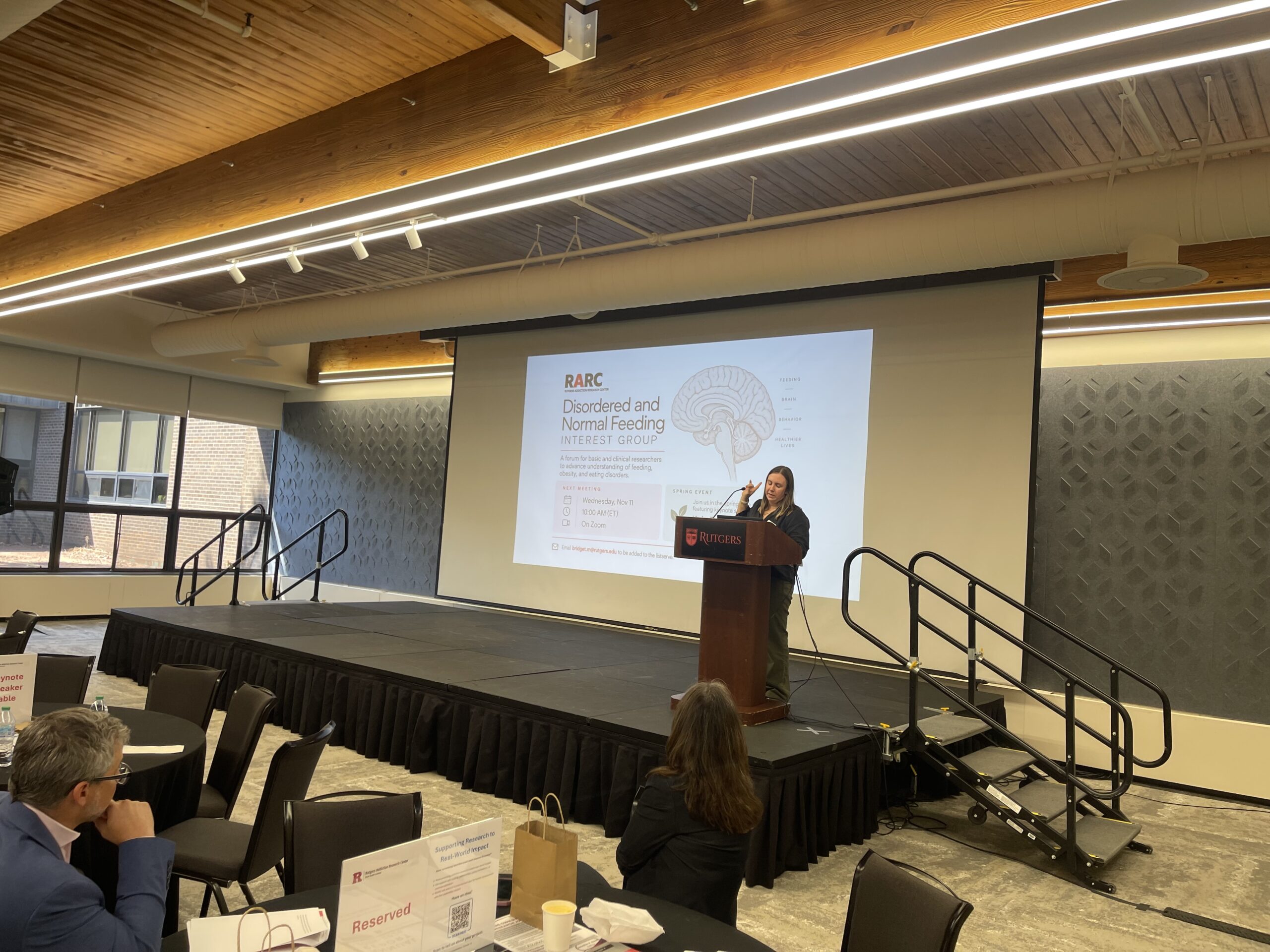
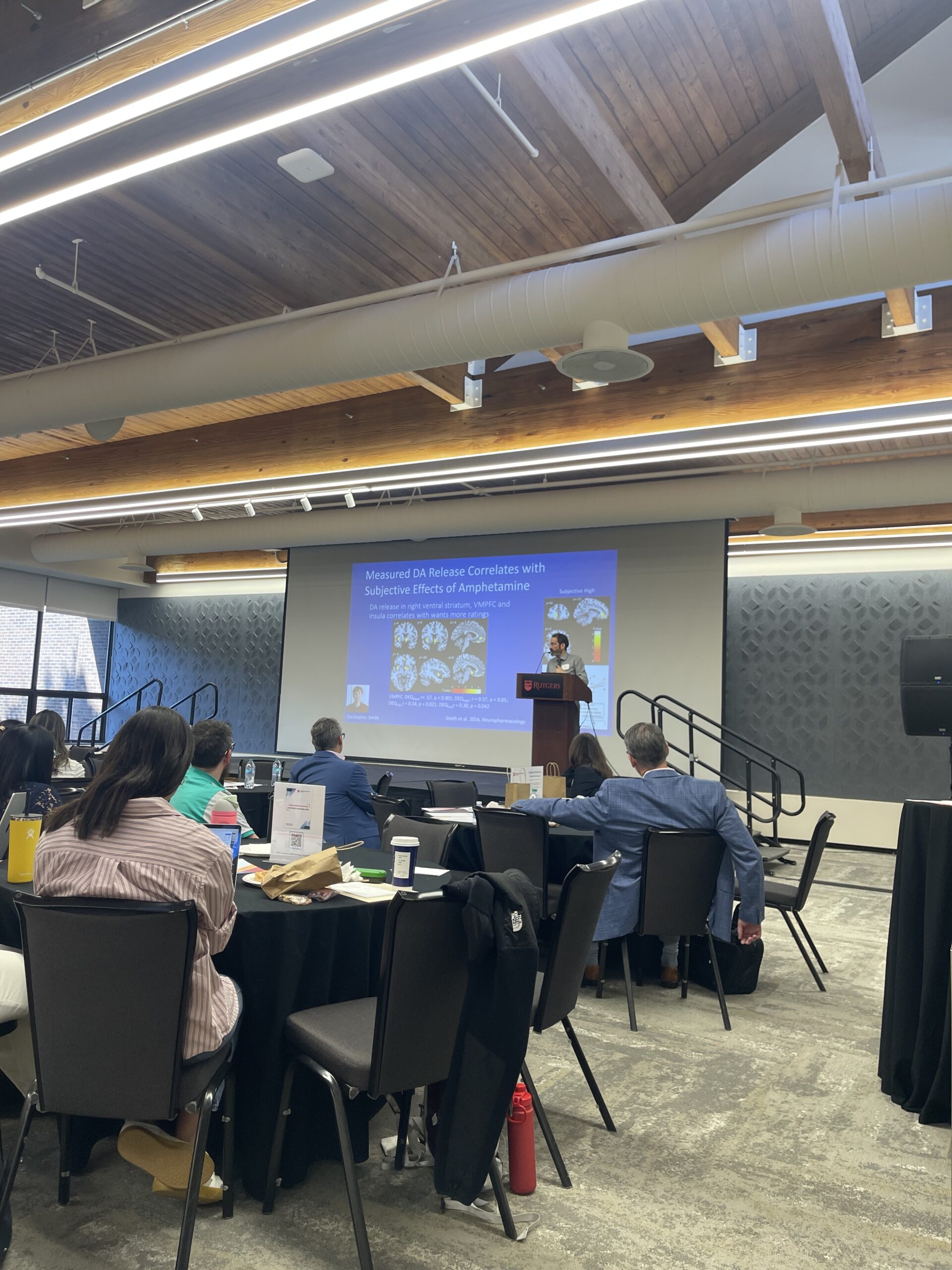
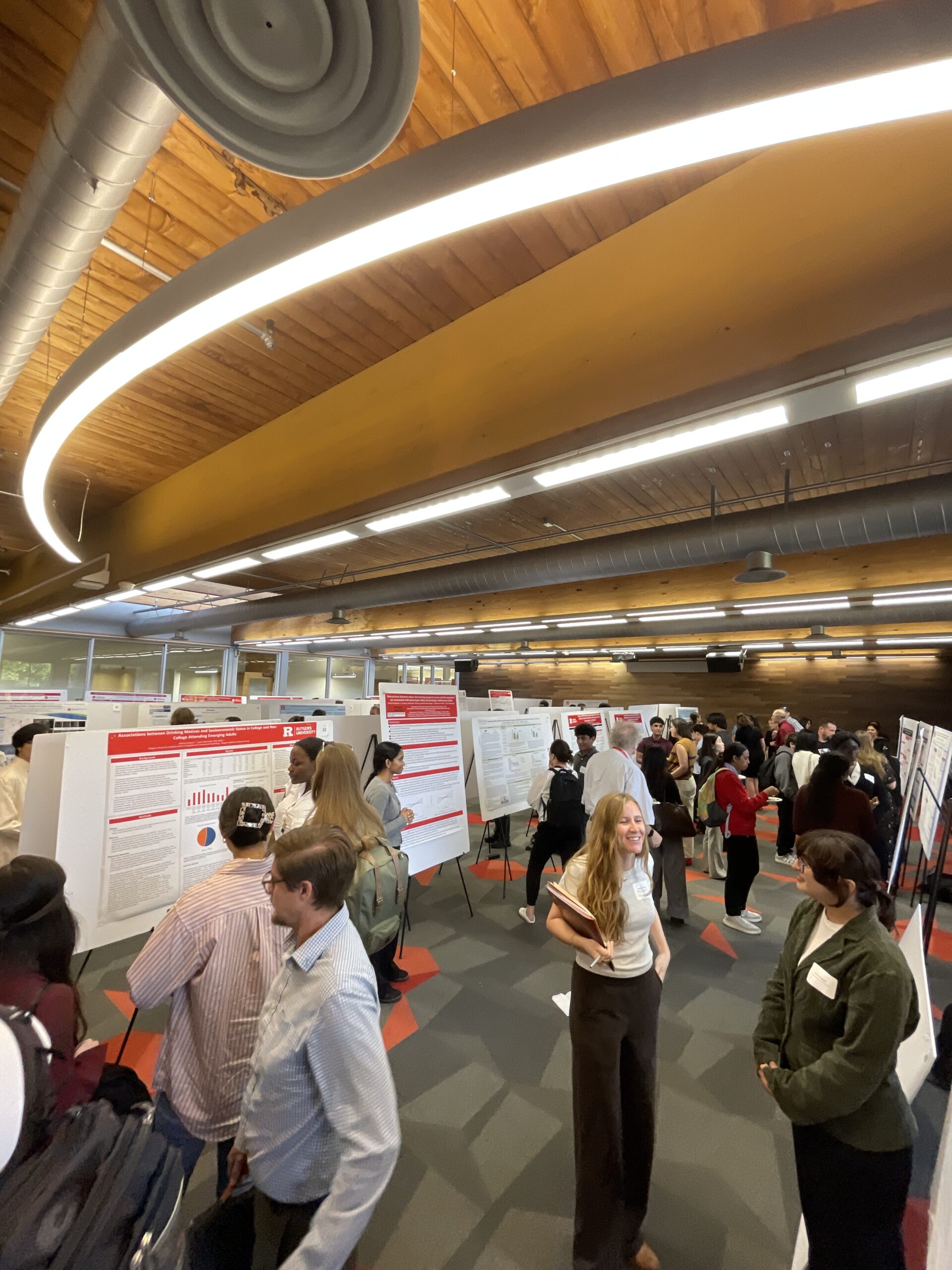
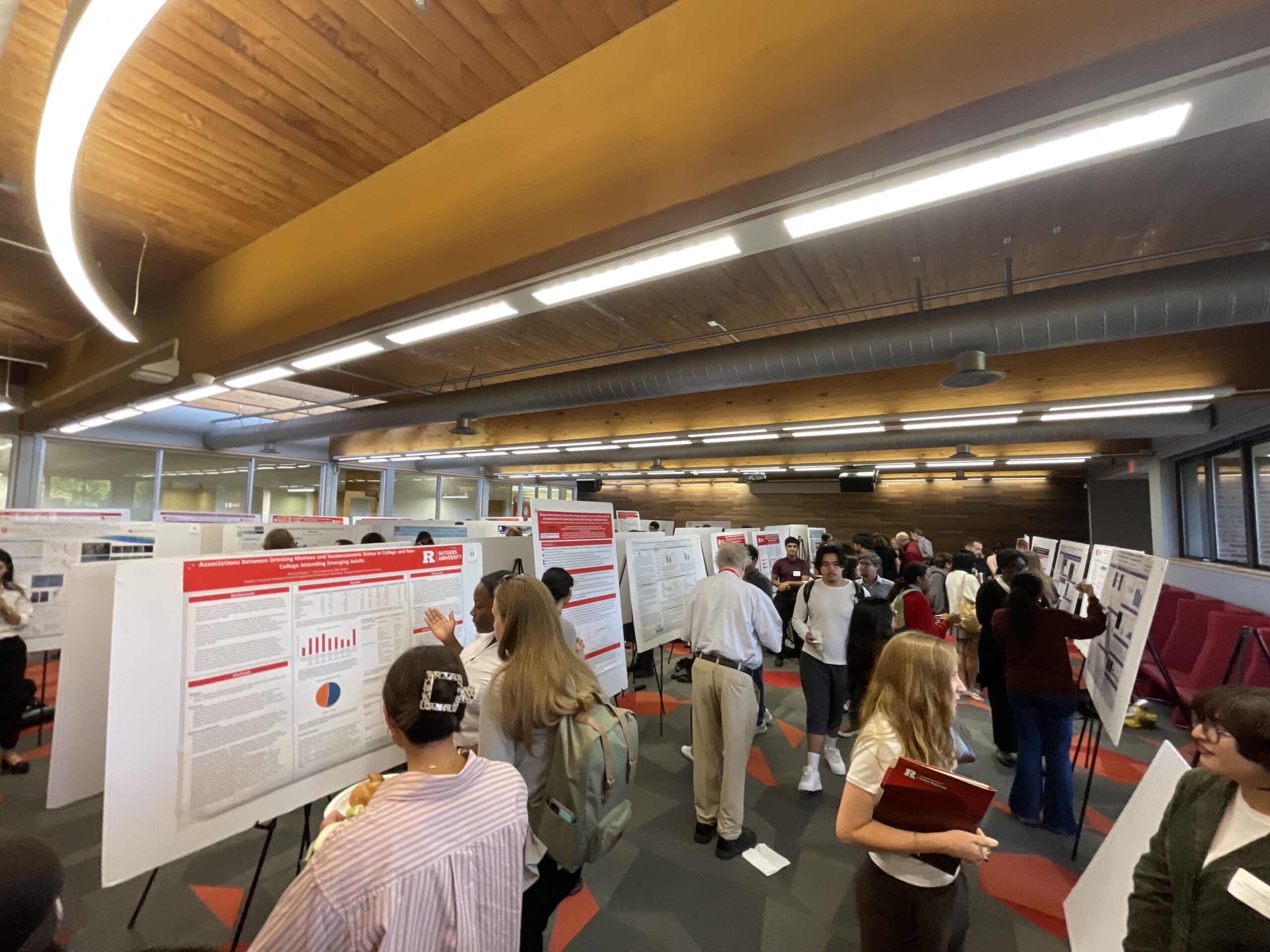
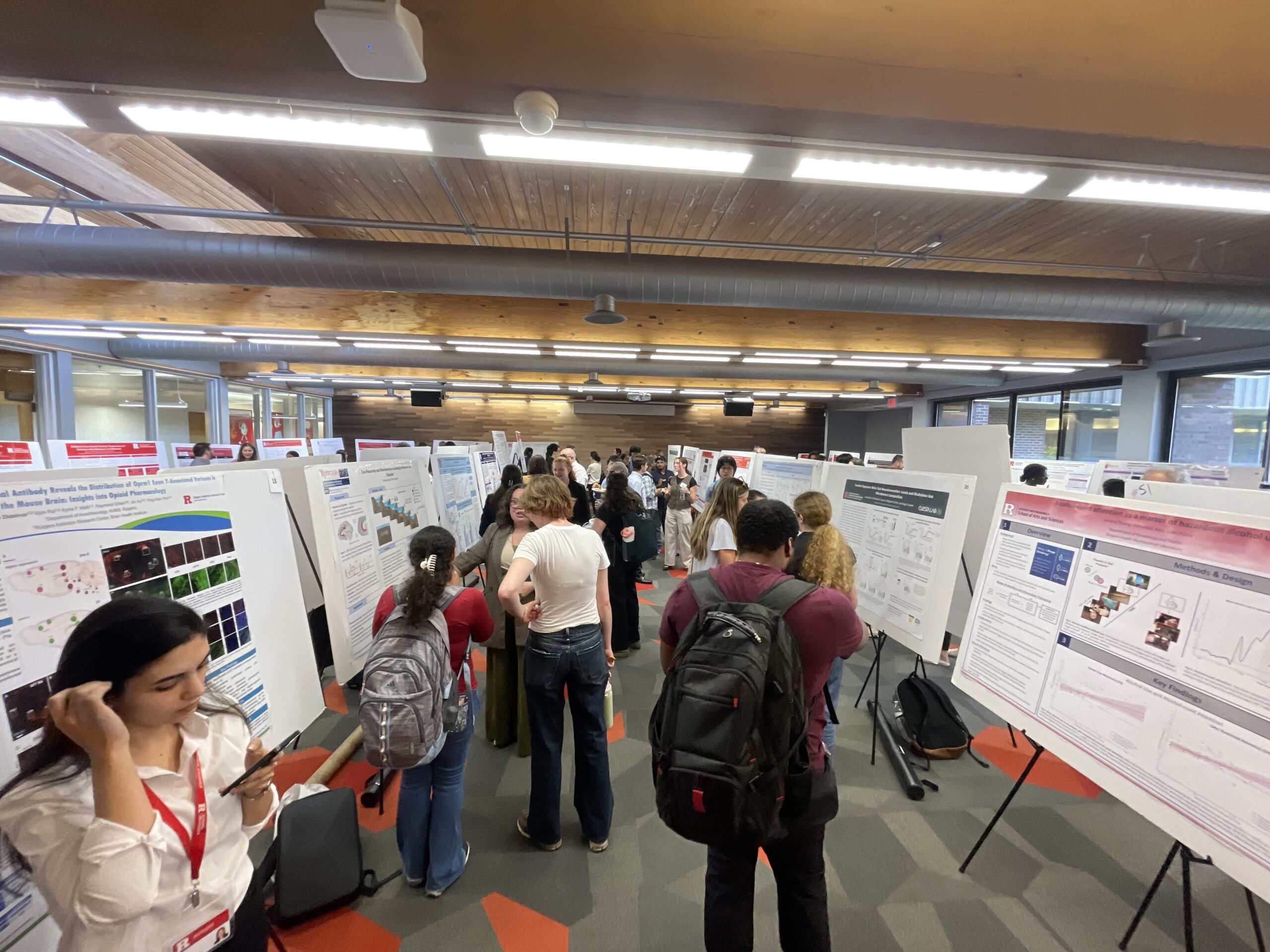
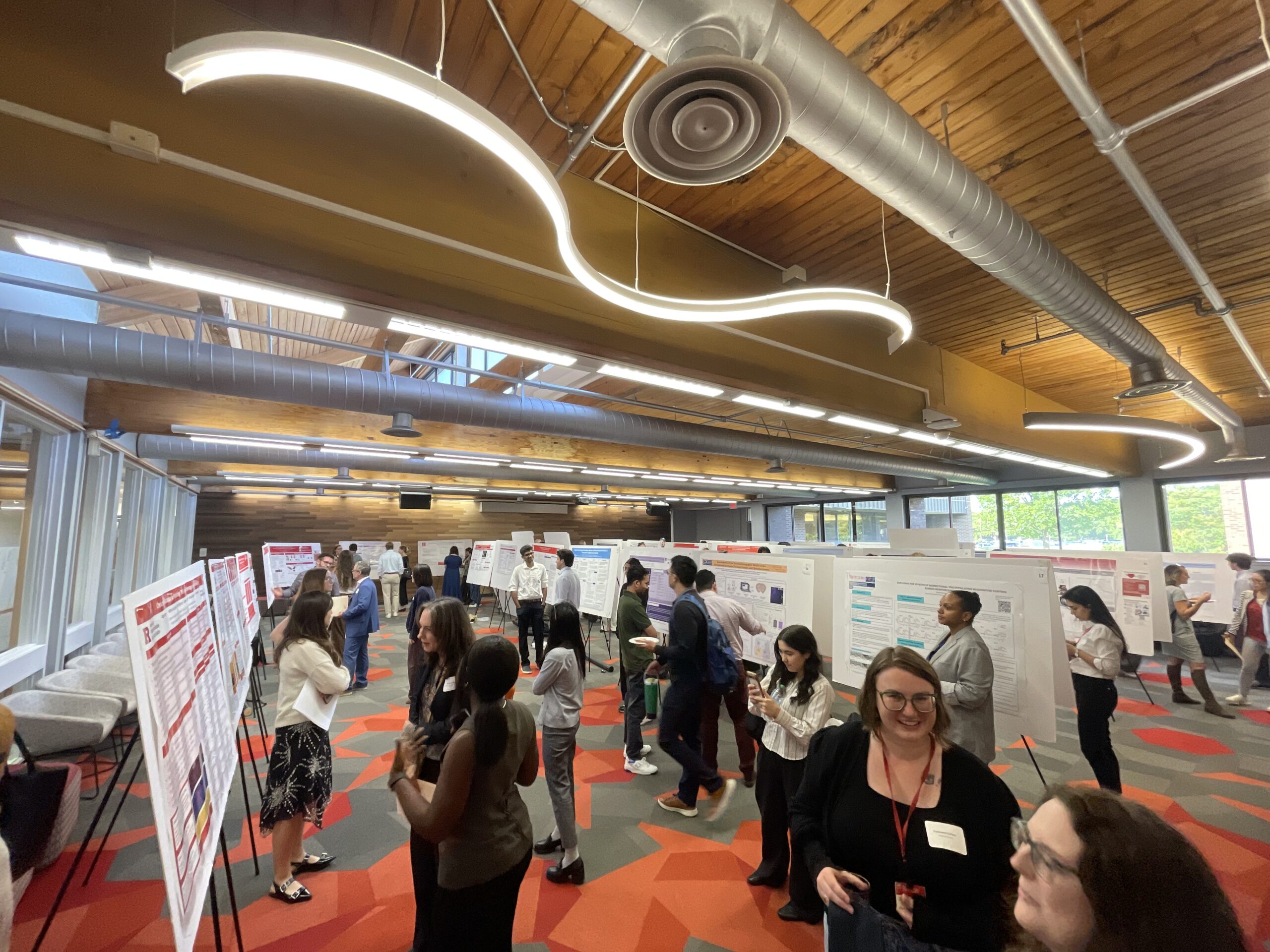
Fall Symposium Photos



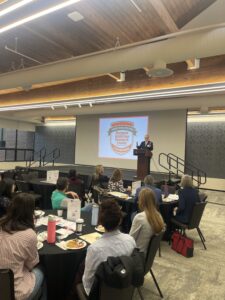






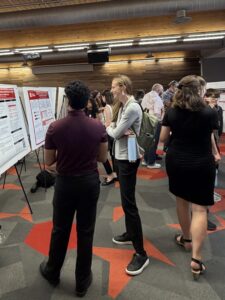
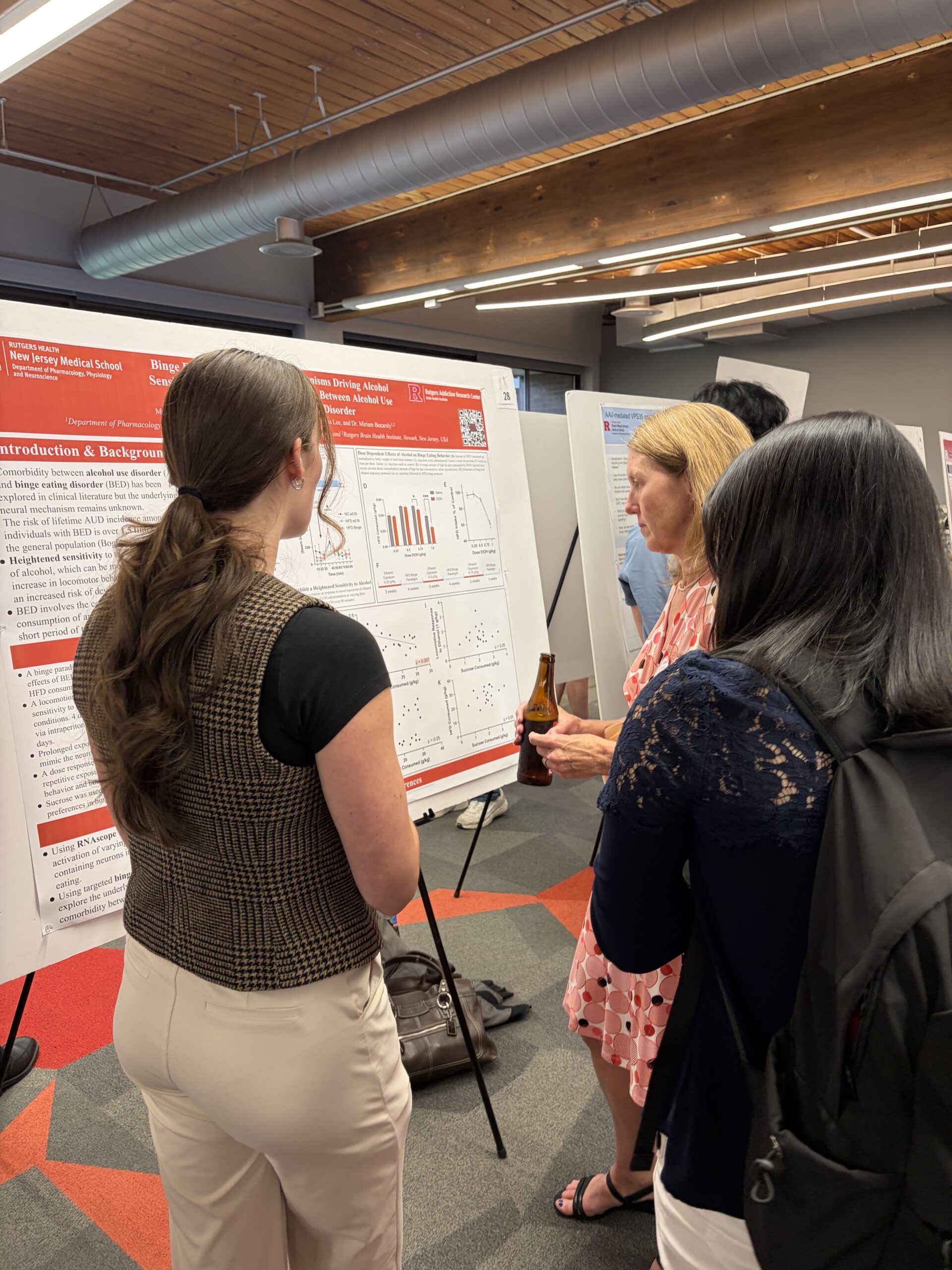
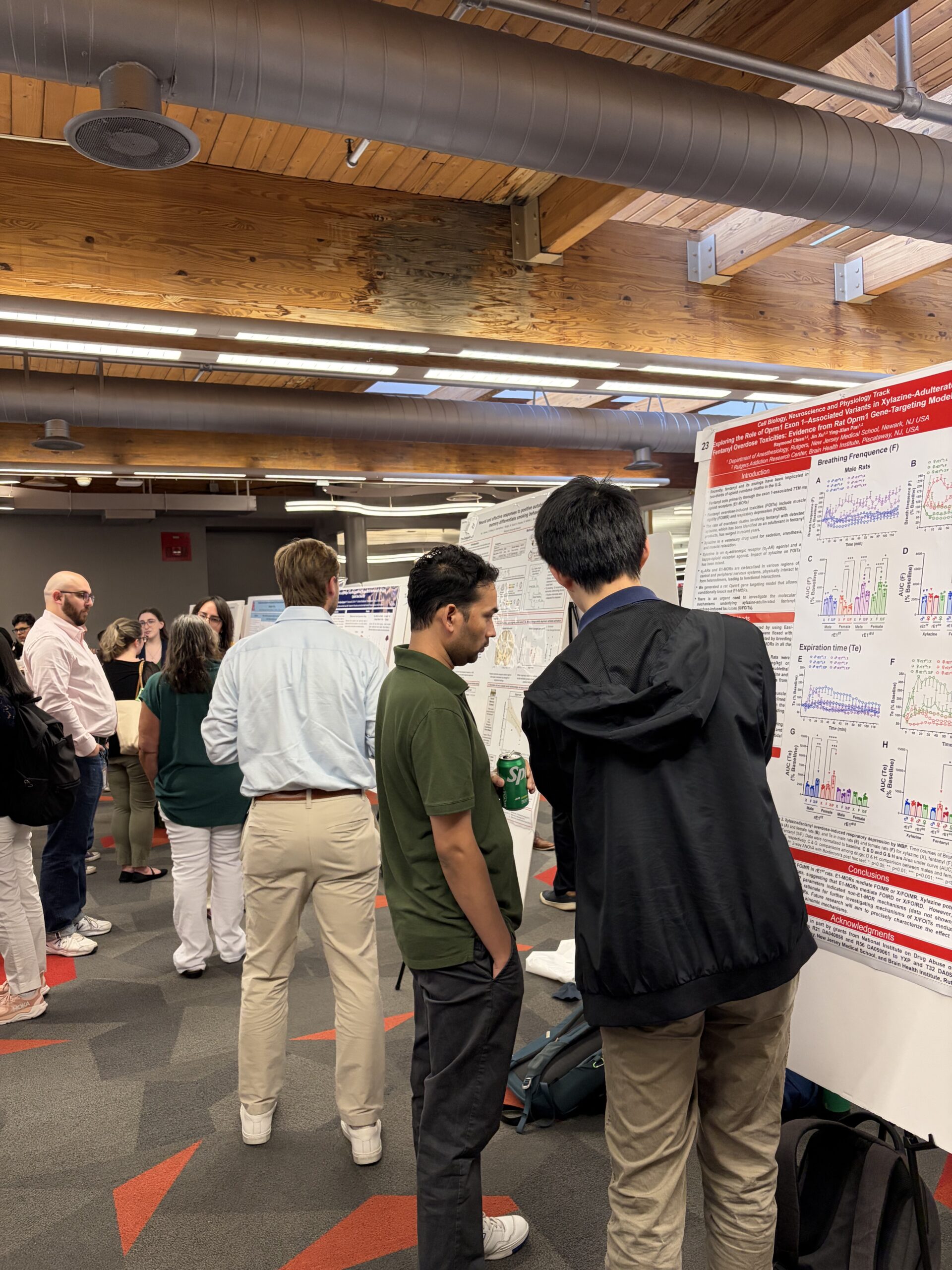
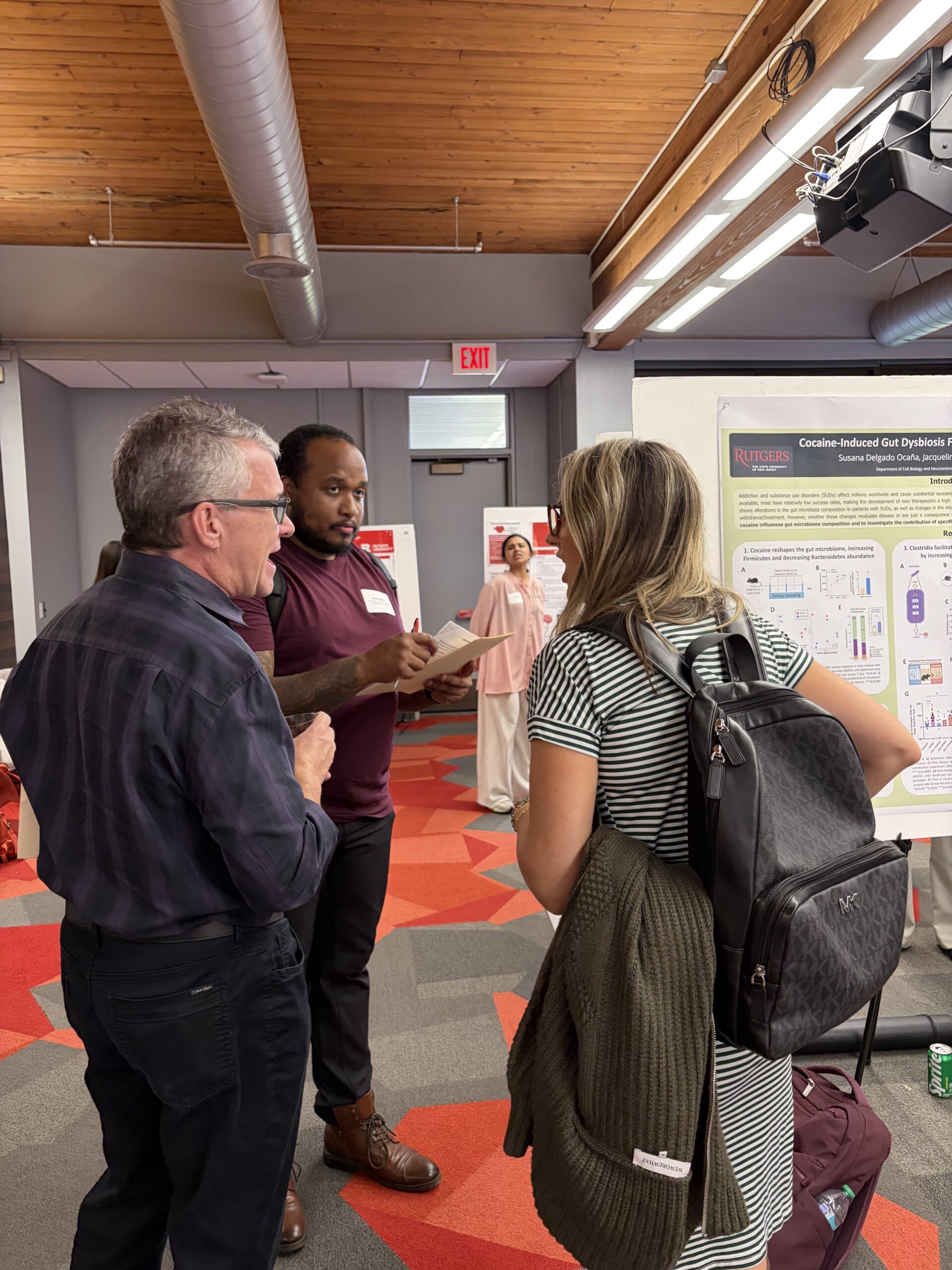
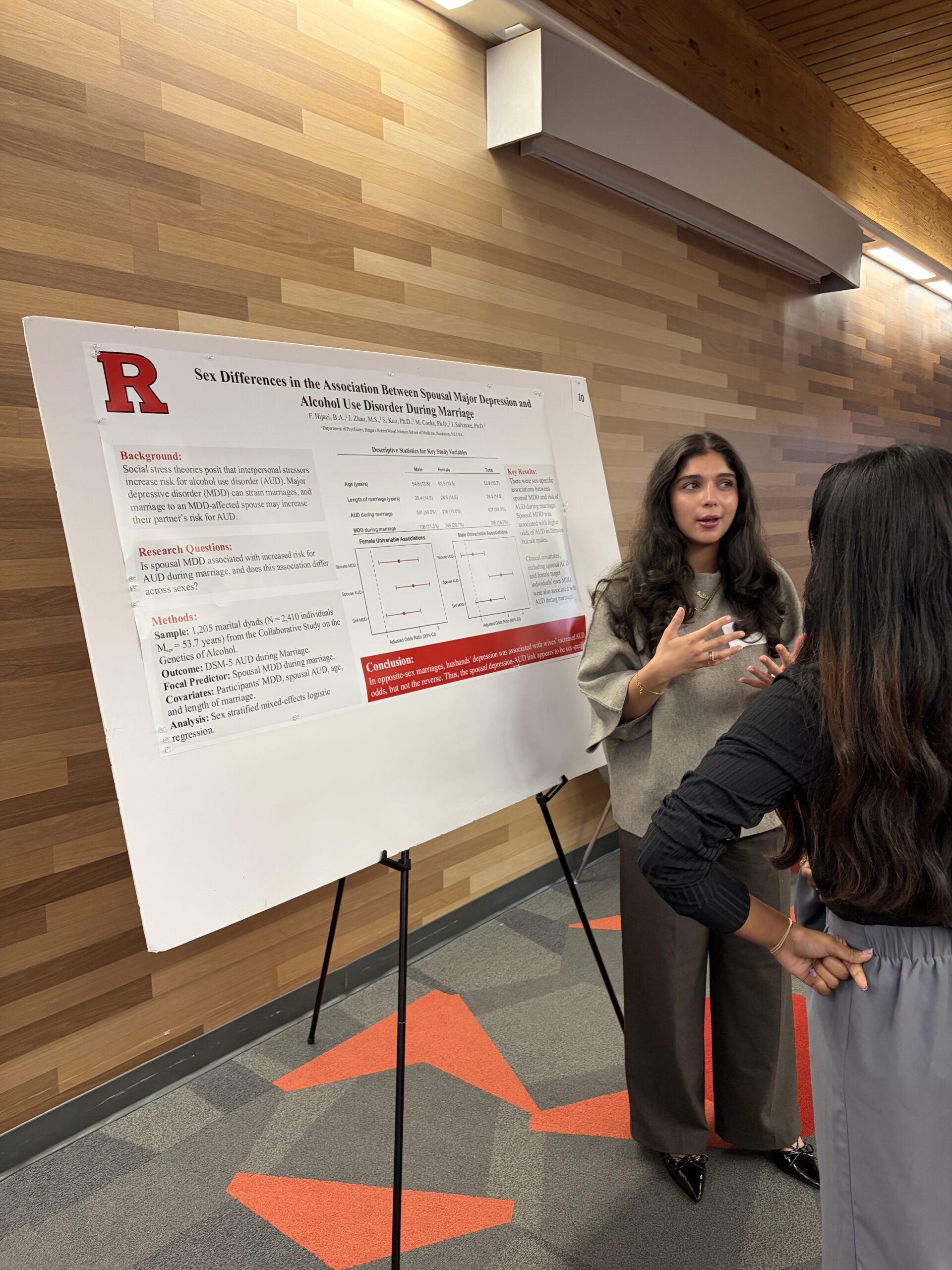
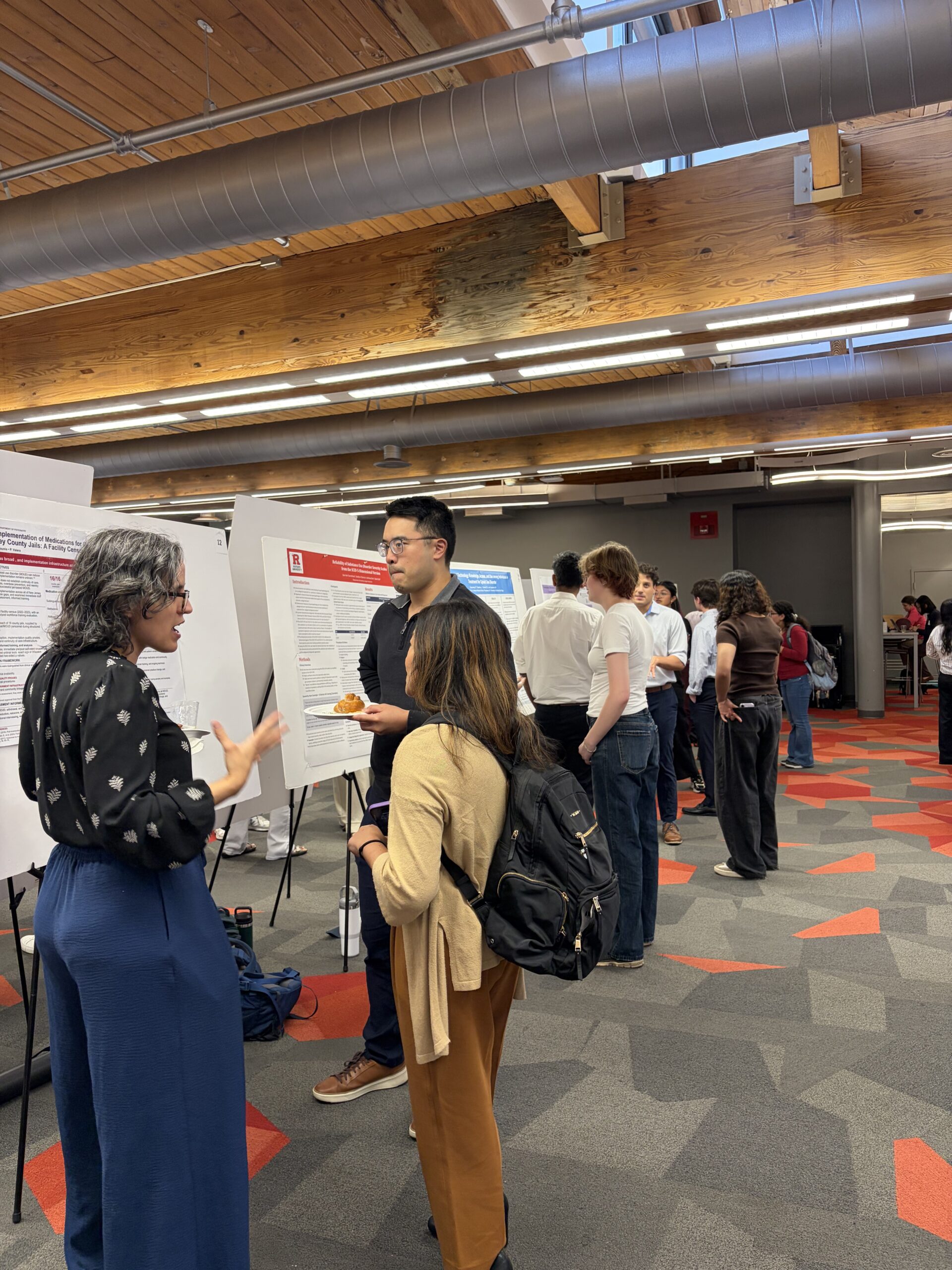
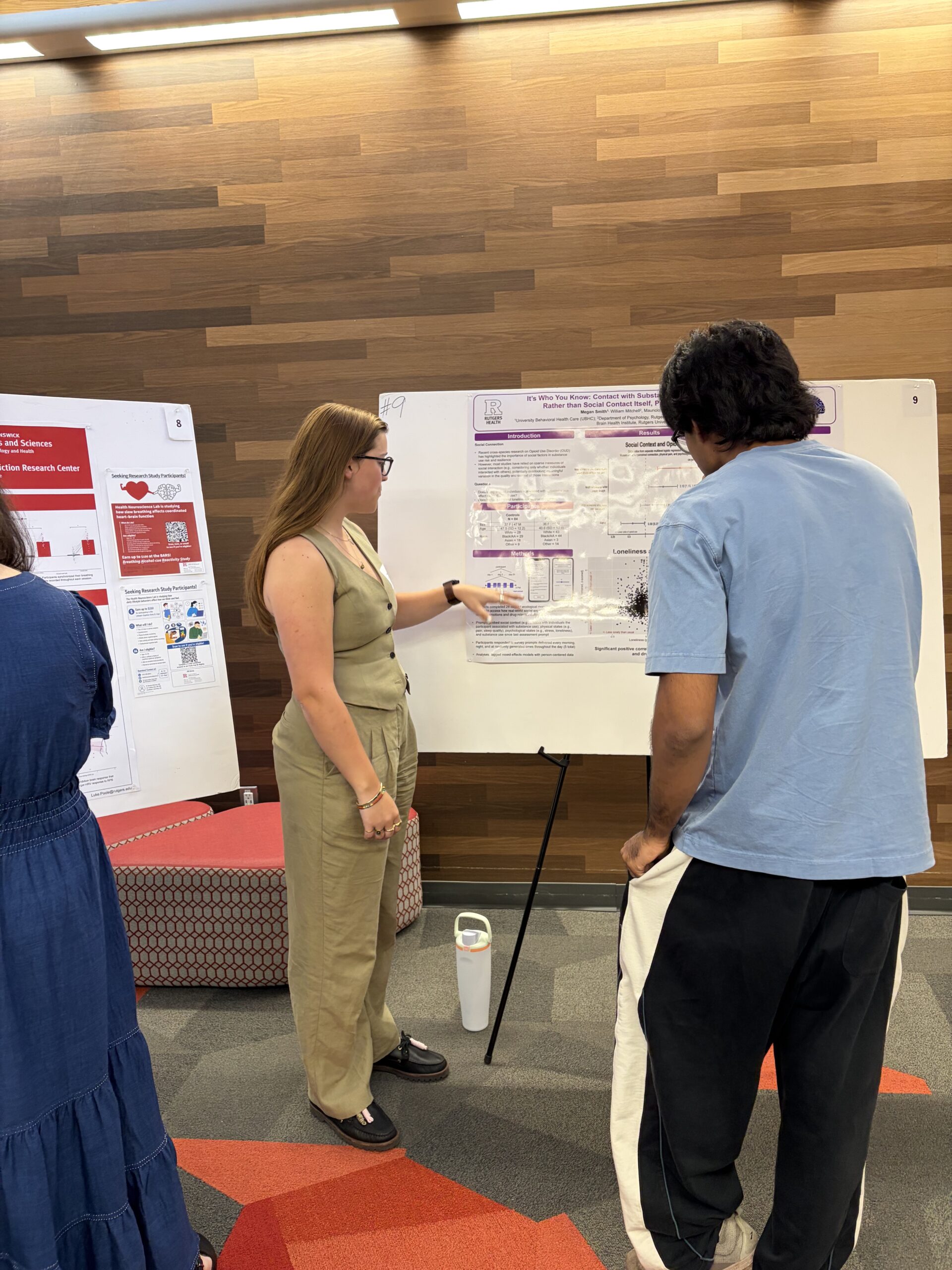
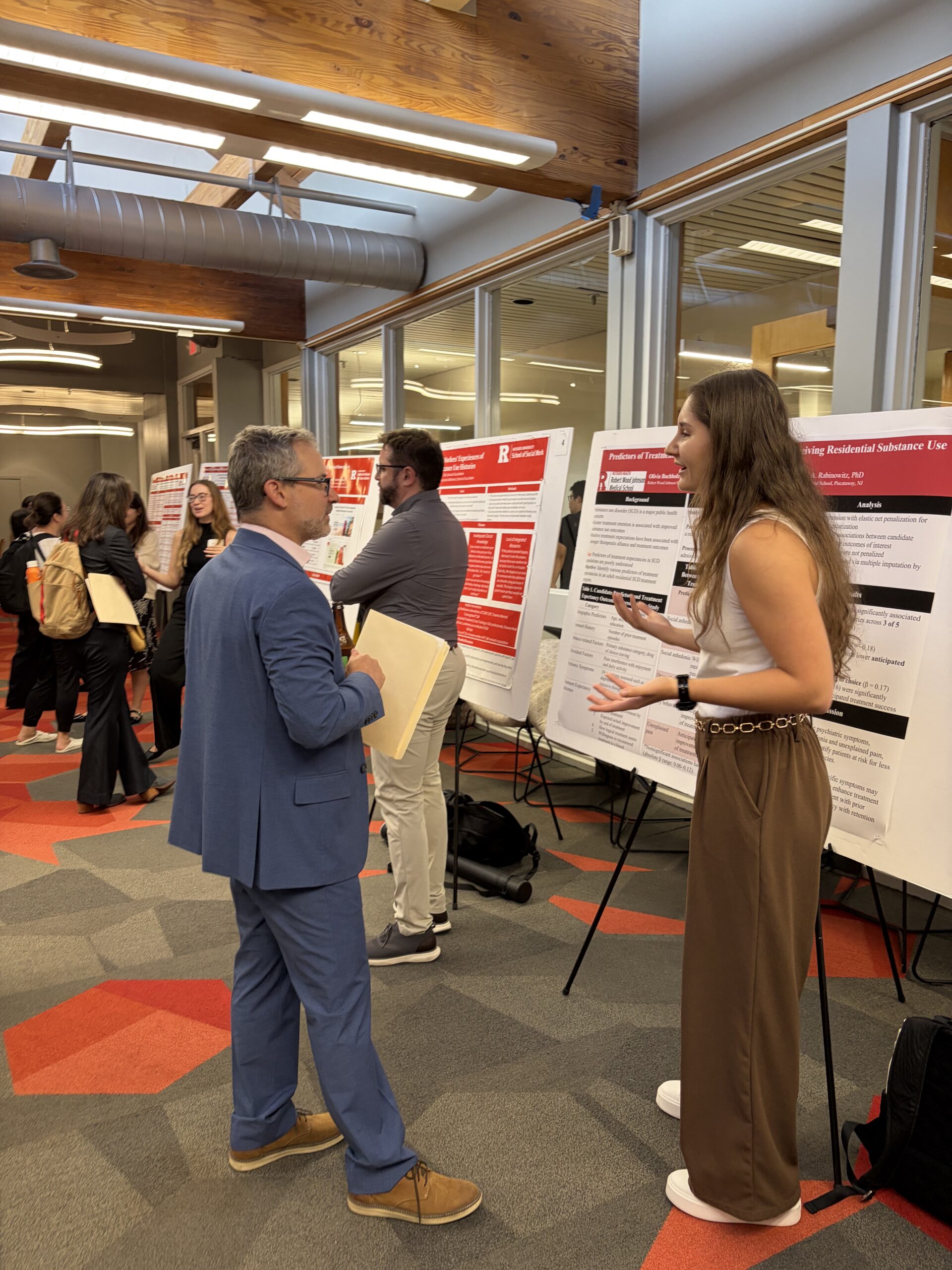
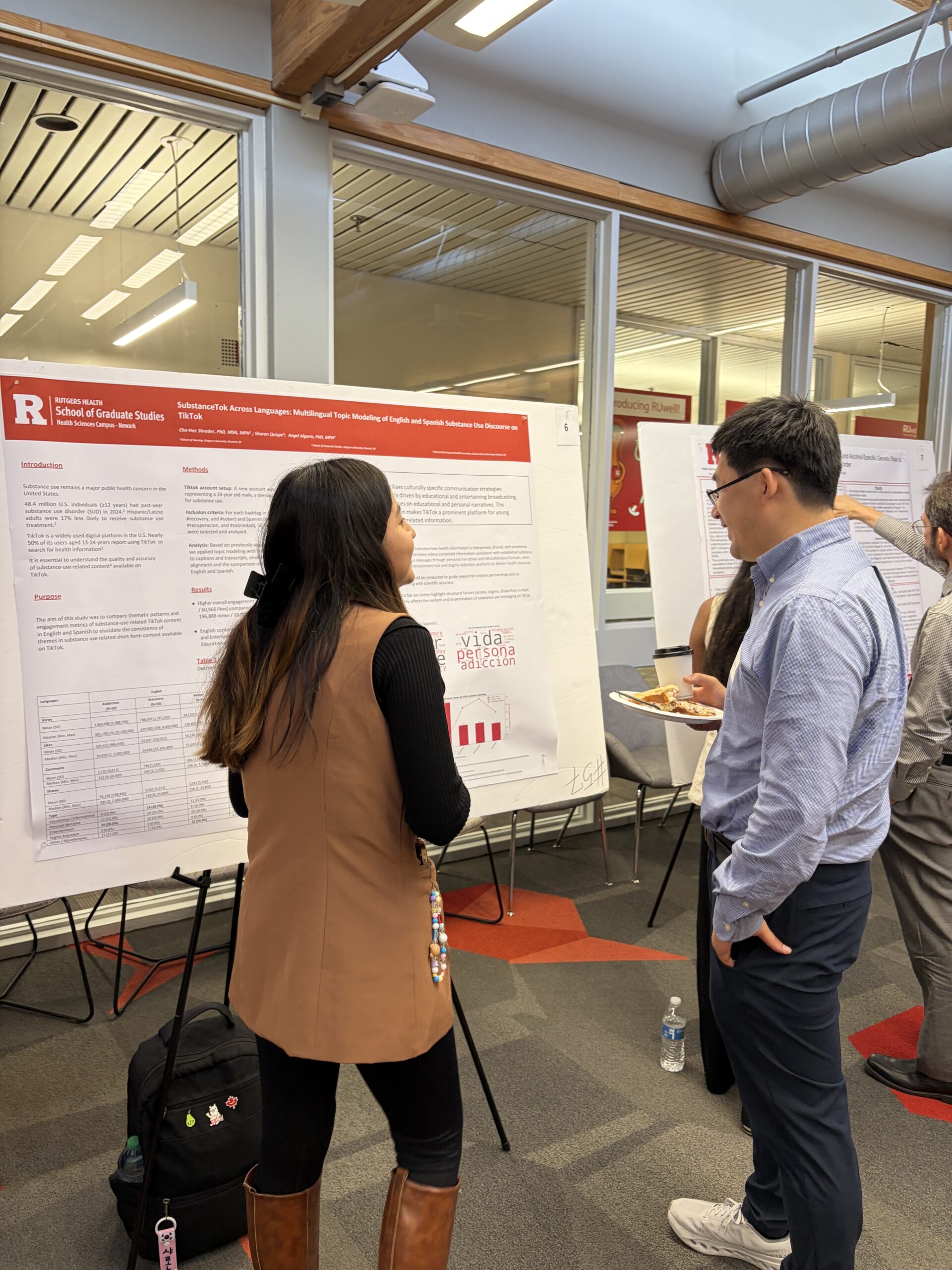
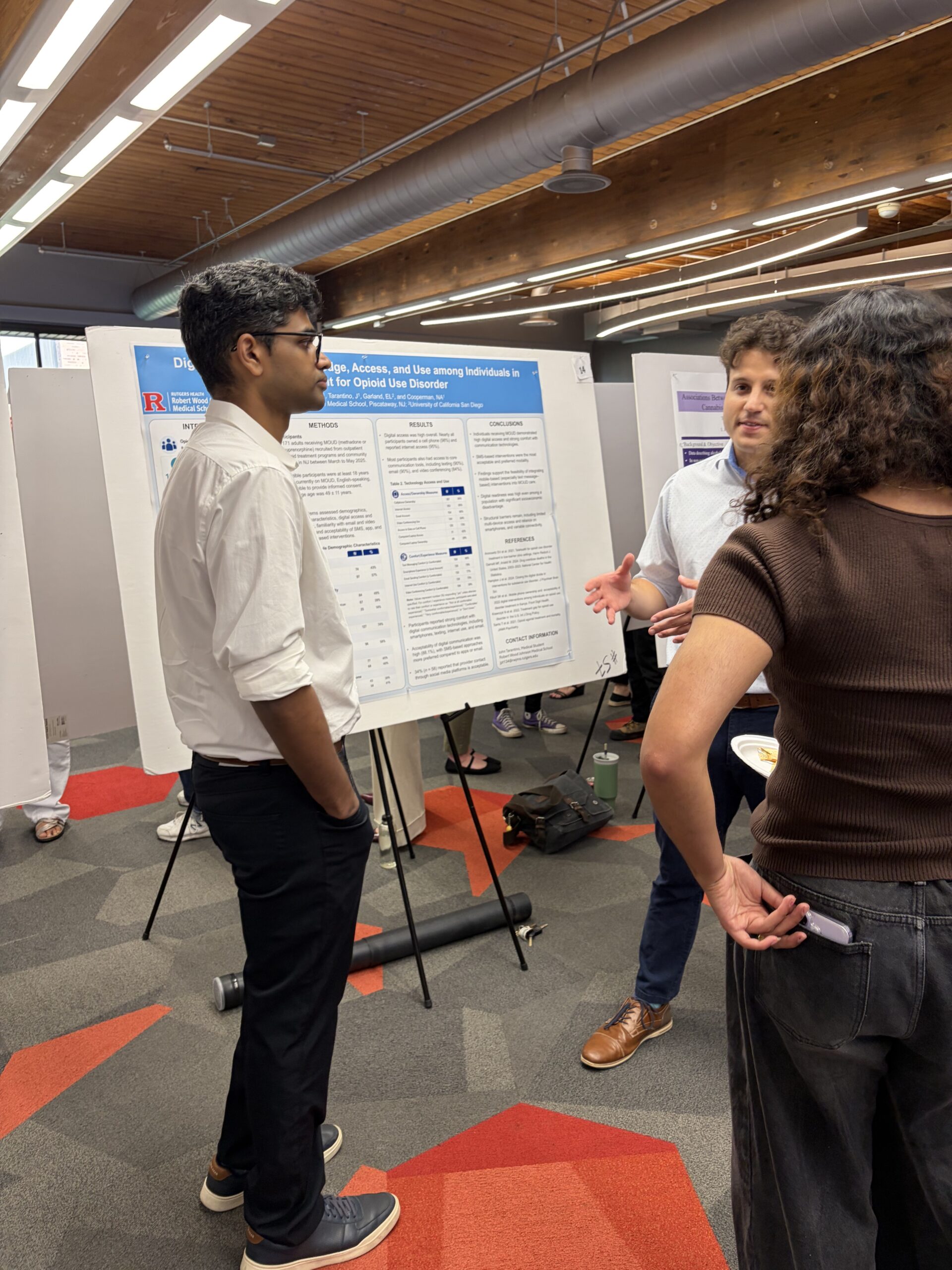
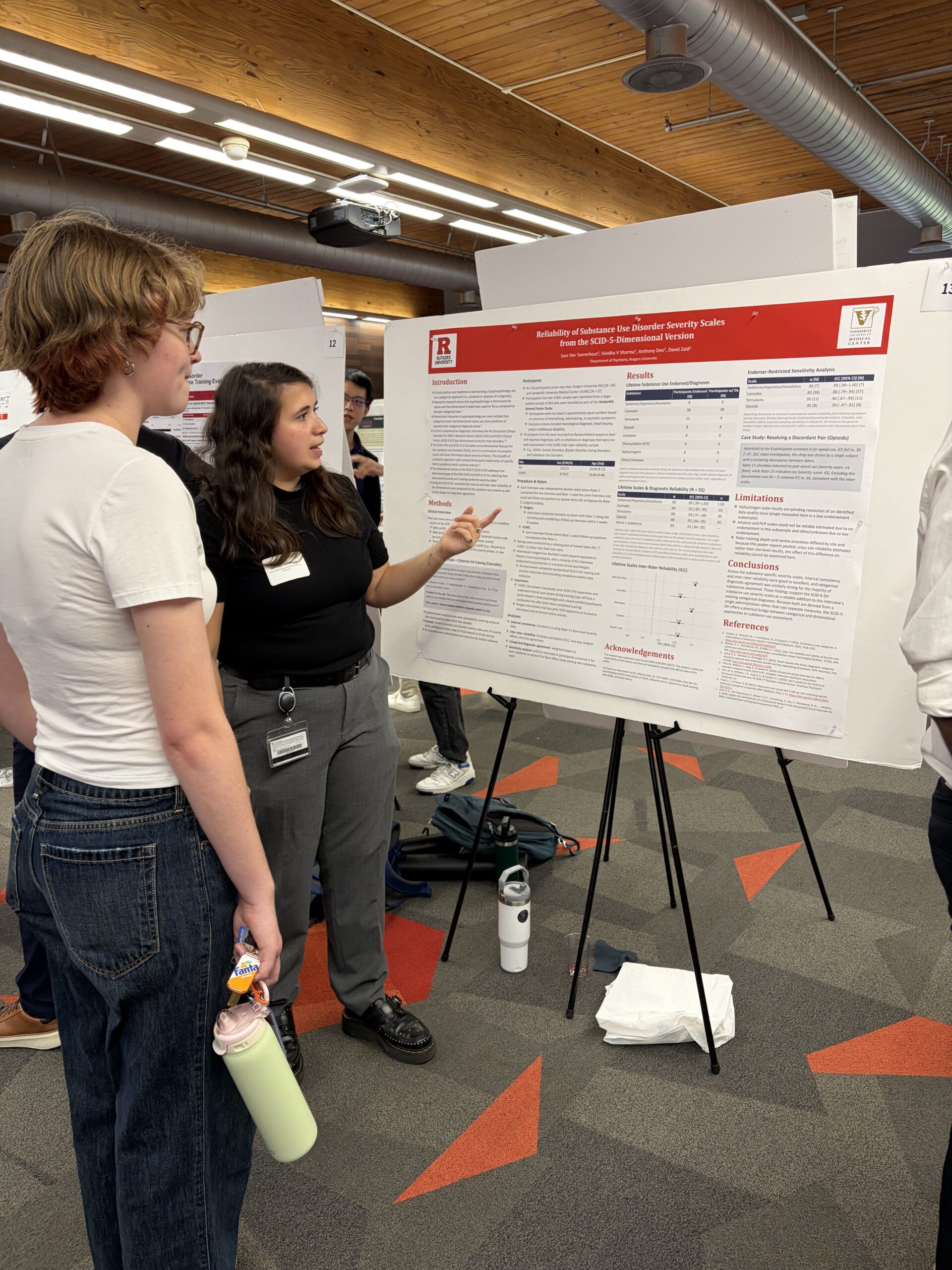
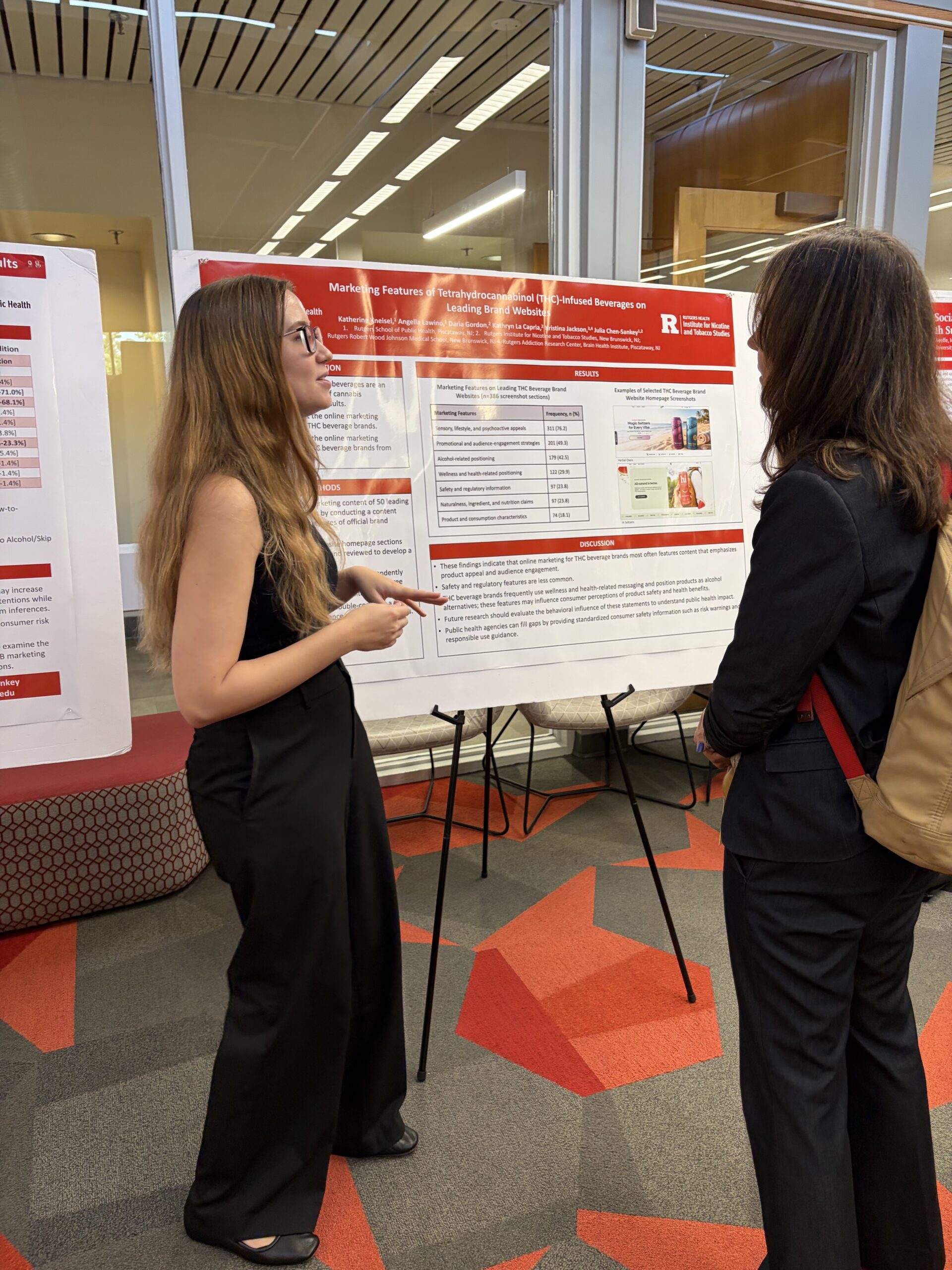
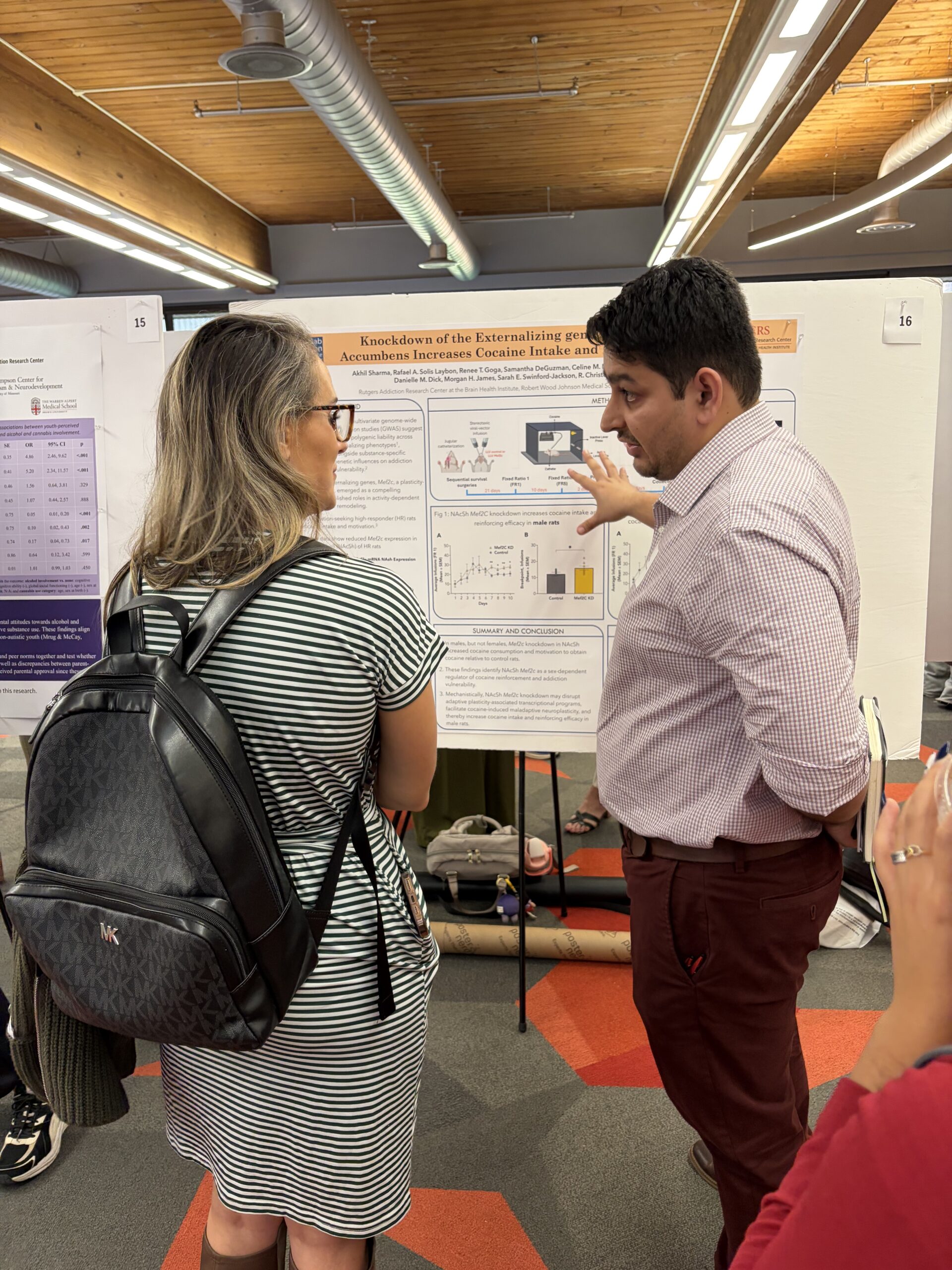
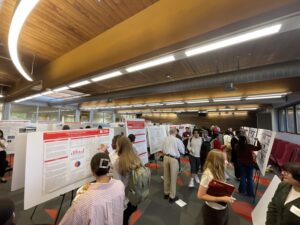
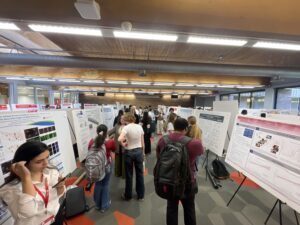
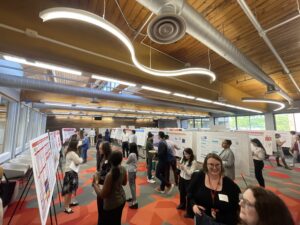
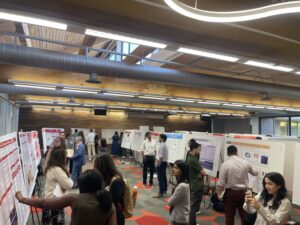
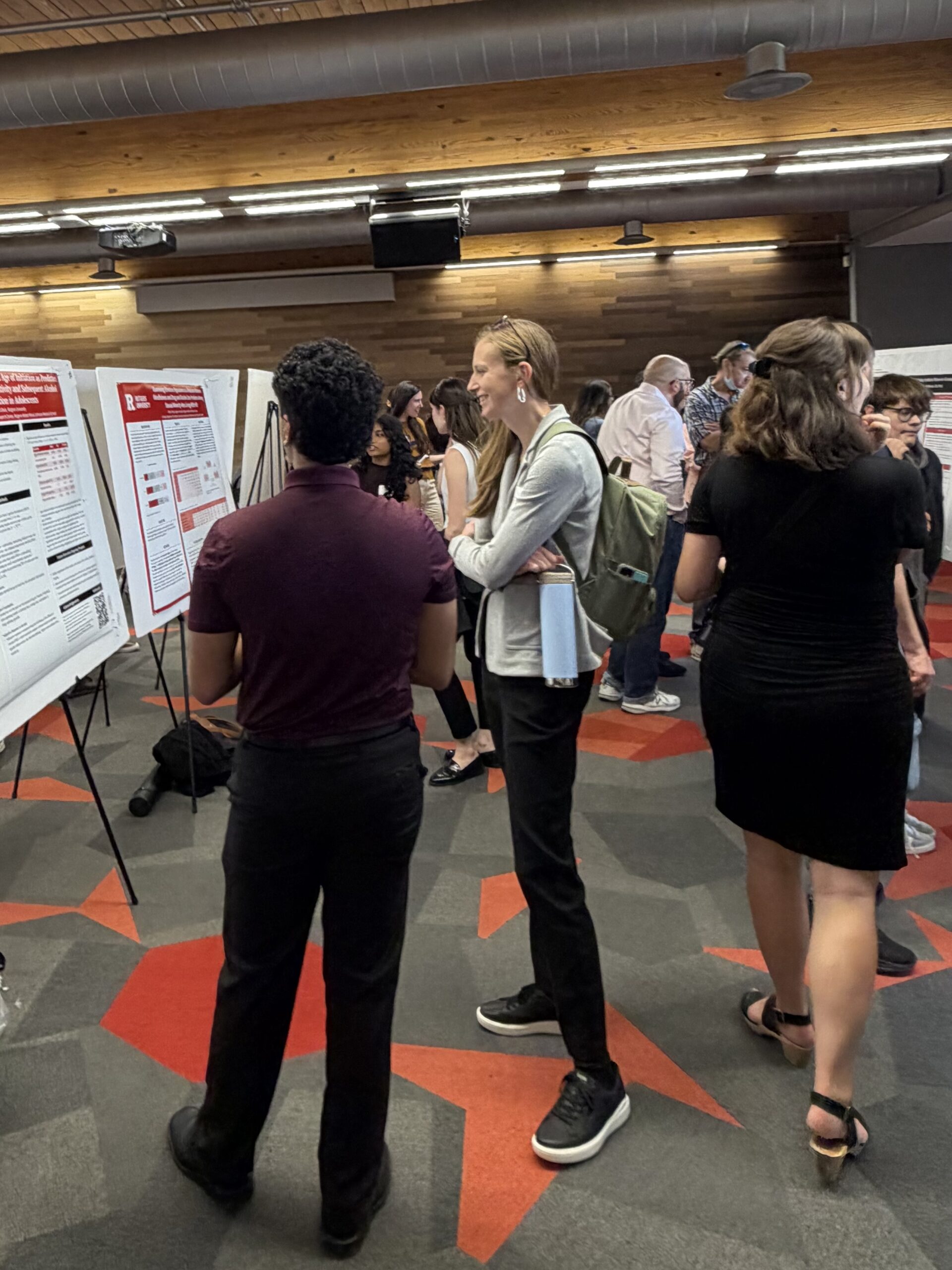
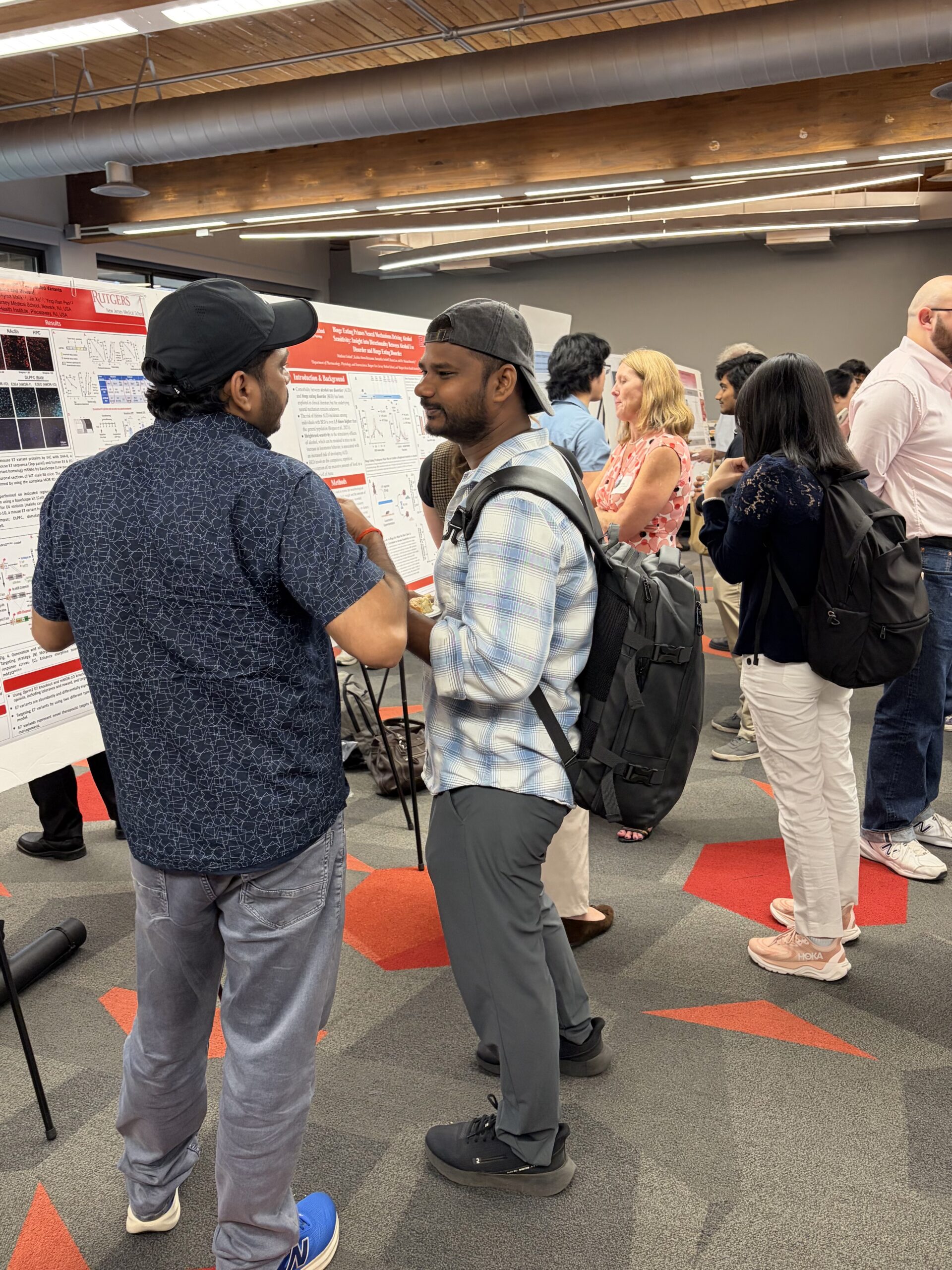
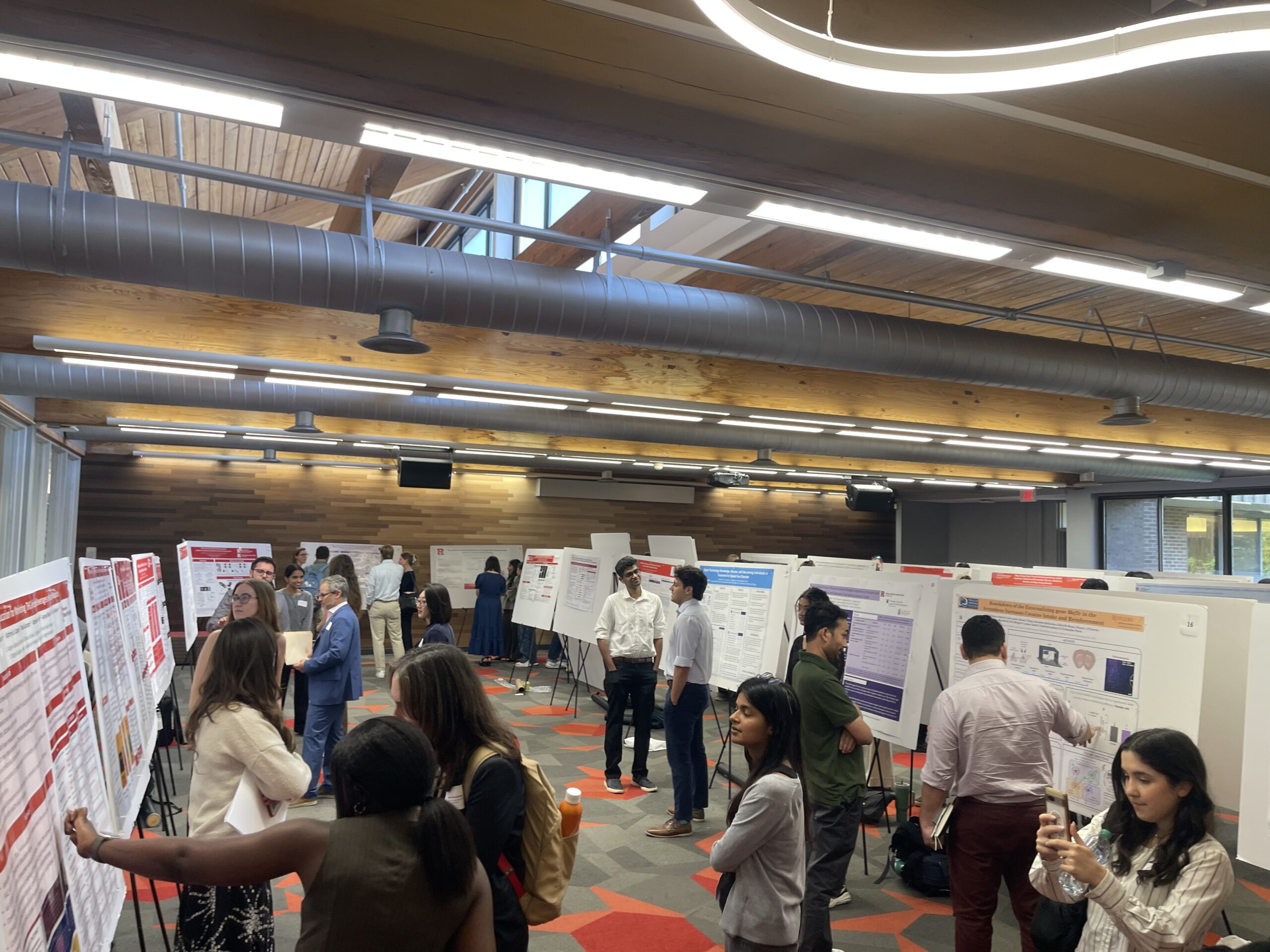
Poster Session
Check out highlights from last year’s event—including our 2025 Poster Award Winners, event photos, and the symposium booklet—click here!