2025
We were proud to recognize outstanding work with our annual poster awards:

Top Poster – Clinical:
Exploratory Factor Analysis of Ecological Momentary Assessments Reveals Multiple Affective
Dimensions in Opioid Use Disorder
Authors: Ugne Ziausyte, Francesca M LoFaro, Jalen Nicely, Anna B Konova
PI: Anna B Konova
Ugne Ziausyte received her BS in Biological Sciences from Carnegie Mellon University. After graduating, she spent two years as a Post-Bac IRTA at the National Institute on Alcohol Abuse and Alcoholism, where she studied how trait impulsivity and compulsive behavior correlate with drinking-related outcomes. Currently, she is pursuing her dual degree in the Rutgers-Princeton MD/PhD program and completing her PhD training in the lab of Dr. Anna Konova. In her free time, she enjoys hiking, needlework crafts, and spending time with friends and family.
“Inspired by”: As a physician-scientist in training, I often think about what impact our research can have in the everyday lives of patients. We know that affect and craving play a crucial role in shaping behavior, including substance use. To help people better manage these experiences, we need a clearer understanding of how they unfold and interact within individuals over time. Most research has either focused narrowly on specific emotions (like sadness or anger) or broadly on categories (like positive mood), missing the full picture. Furthermore, craving and affect are often enmeshed, but neither is adequately addressed by current treatments. In this project, we use a data-driven approach to uncover the structure of people’s affective experiences as they unfold, allowing us to still capture overall patterns while preserving important nuances. By untangling these relationships, our work aims to lay the groundwork for more precise, adjunctive and real-time, interventions to support recovery in substance use disorders.
Top Poster – Neuroscience:
Mitragynine and insulin signaling under hyperglycemic conditions
Authors: Lamyaa Alsarkhi, Nicholas T. Bello
PI: Nicholas T. Bello
Lamyaa Alsarkhi is a PhD candidate in Nutritional Sciences (physiology and biochemistry) at Rutgers University. She holds an MS in Pharmaceutical Sciences from the University of Cincinnati and a BS in Pharmacy. Her research integrates neuroscience, endocrinology, and pharmacology to investigate how neural pathways and natural compounds—such as mitragynine from kratom—affect insulin secretion and glucose metabolism. She has worked across cancer biology and diabetes research, developing expertise with molecular techniques, cell culture, and animal models. Outside the lab, she mentors and teaches undergraduates, communicates science broadly, and explores pathways to translate research into practical health solutions.
“Inspired by”: My project was inspired by the severe impact of diabetes, both in my community and globally. This disease not only physically challenges individuals but also has far-reaching effects on families and healthcare systems. I was driven to investigate the underlying connections between the nervous system and the peripheral organ, and how the closely related systems that regulate glucose are underrepresented in diabetes research. In particular, I was interested in the potential role of natural compounds, such as mitragynine, which interacts with opioid and adrenergic receptors and may influence glucose regulation in ways that don’t depend on insulin. Studying these pathways could enhance our understanding of alternative mechanisms of metabolic control and aid in the development of new treatments for diabetes and obesity. What motivates me each day is the hope that my research could lead to innovative solutions for one of the most urgent health issues today.
Top Poster – Undergraduate:
The effects of alcohol on excitatory and inhibitory neuron activity dynamics in the prefrontal cortex
Authors: Molly Saunders Lucy, Vyochana Mamillapalli, Esther Y. Ko, Rafiq Huda
PI: Rafiq Huda
Molly Saunders Lucy is a senior Cell Biology and Neuroscience major at Rutgers University. She has a particular interest in the structure and function of neural circuits and the consequences of circuit disruption. Her current research focuses on understanding how alcohol impacts microcircuit activity within the cortex with the future goal of developing more effective treatments for alcohol use disorder. Molly aims to pursue an MD/PhD in Neuroscience and is interested in the relationship between research and medicine.
“Inspired by”: This research was motivated by a desire for a better understanding of how alcohol can alter microcircuits within the cortex that are associated with decision-making. Alcohol use disorder is a major psychiatric disorder that lacks effective treatment due to gaps in our knowledge of how alcohol impacts different neurological functions. Through investigations of the microcircuit within the anterior cingulate cortex we aim to reveal details that could aid in the development of targeted pharmaceutical treatments for those affected by alcohol use disorder
Download the Full Abstract Packet (PDF)
Download the Full Program (PDF)
2024
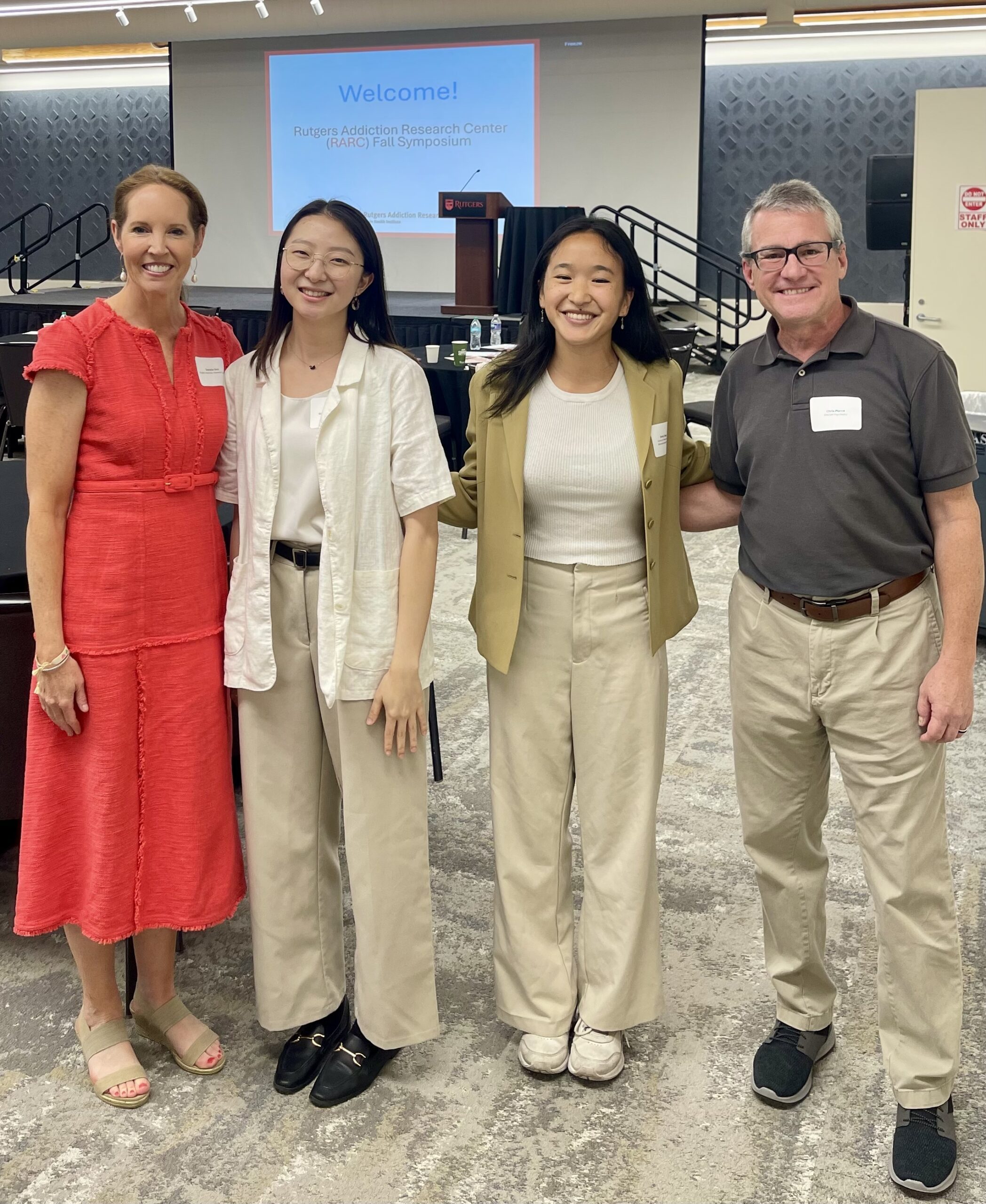
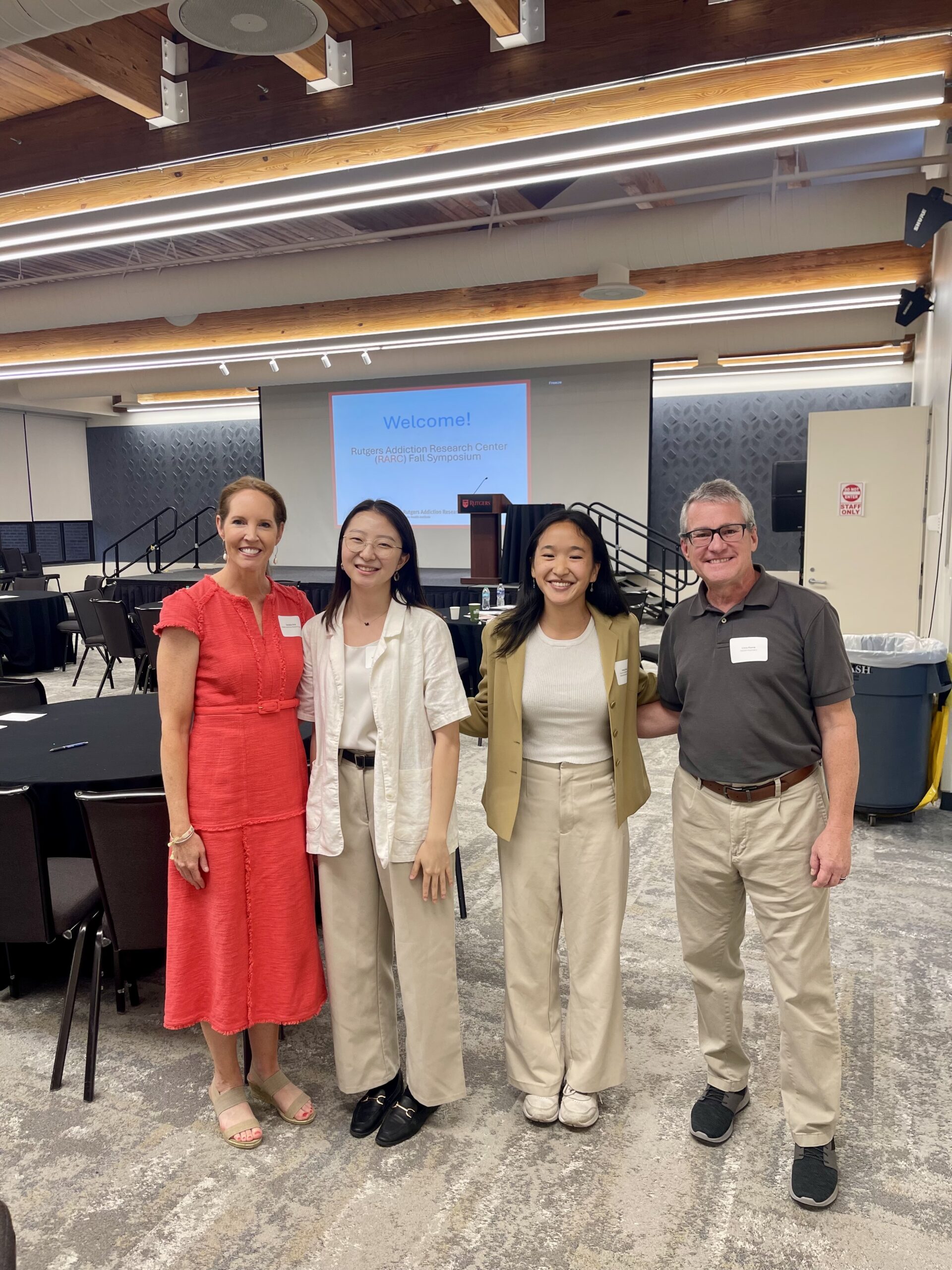
Congratulations to the 2024 RARC Fall Symposium Poster Award Winners!
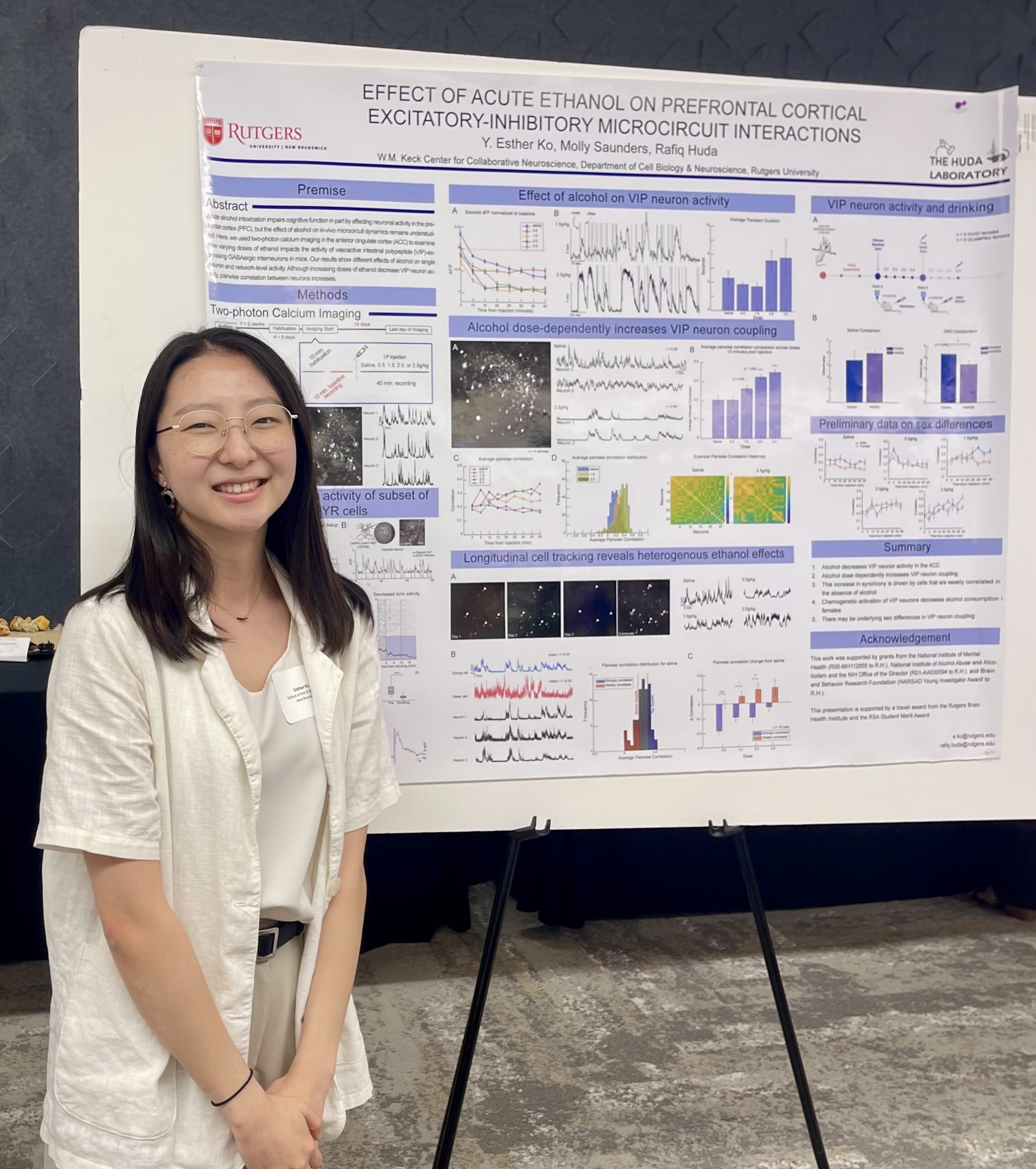
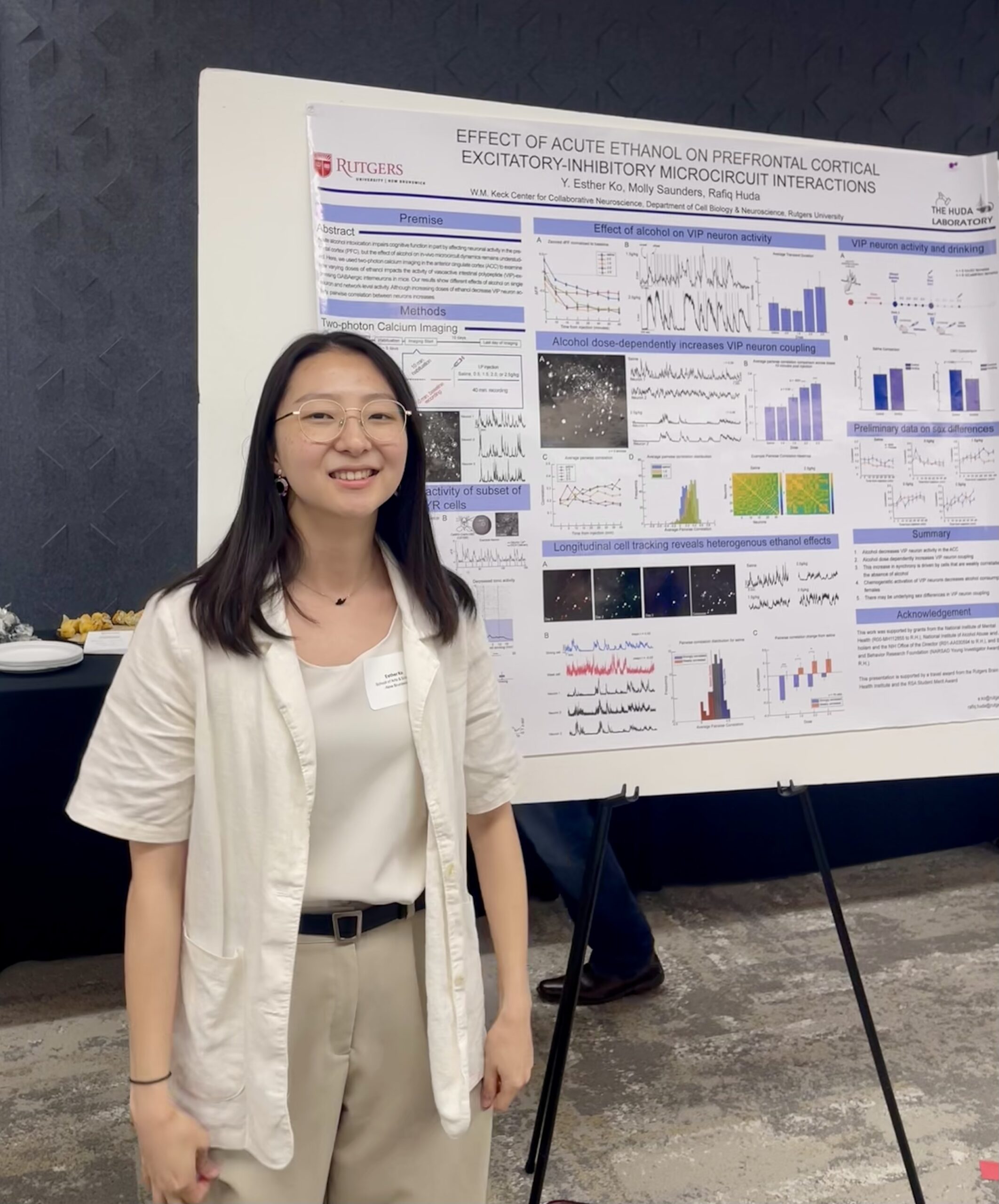
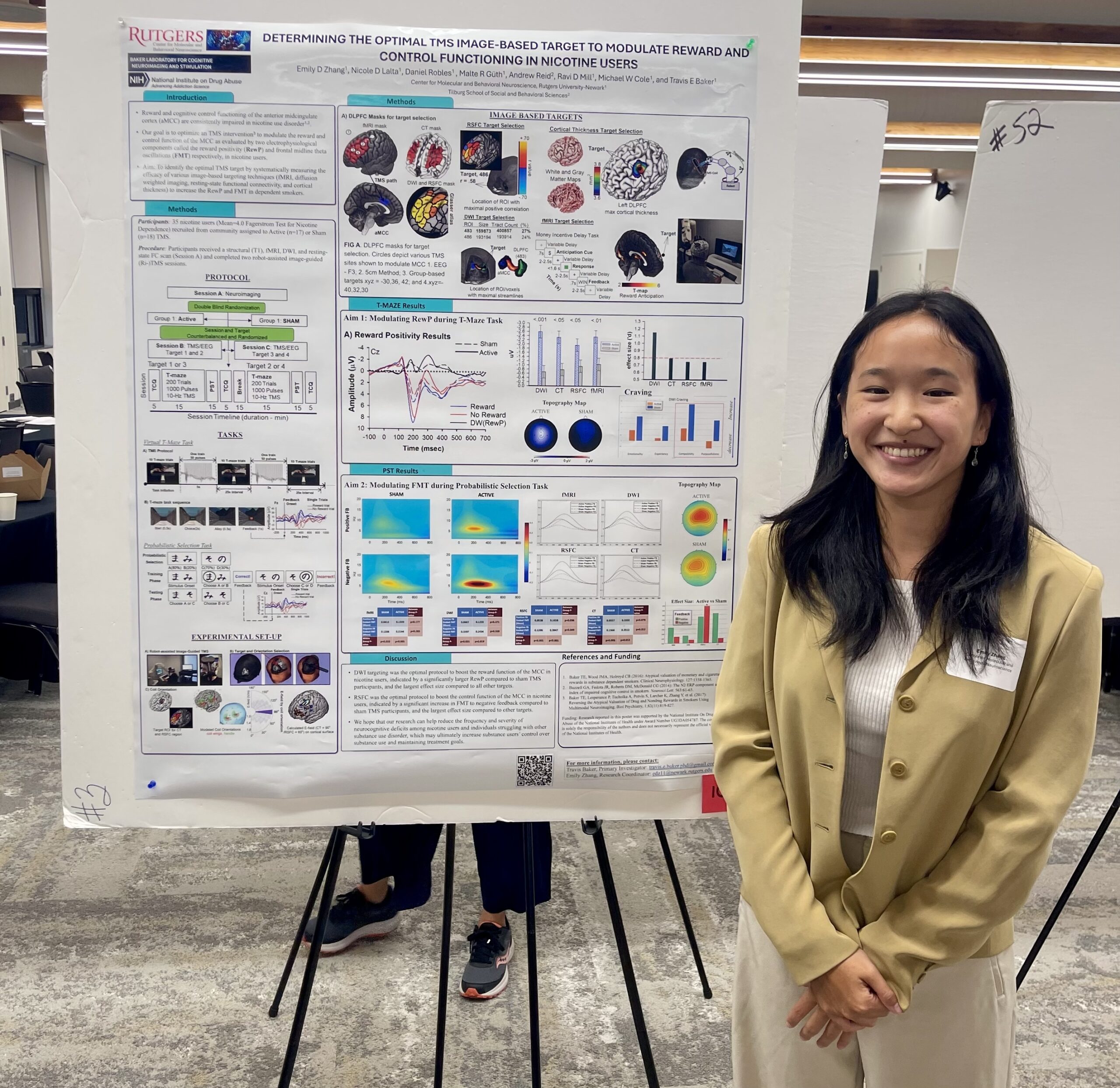
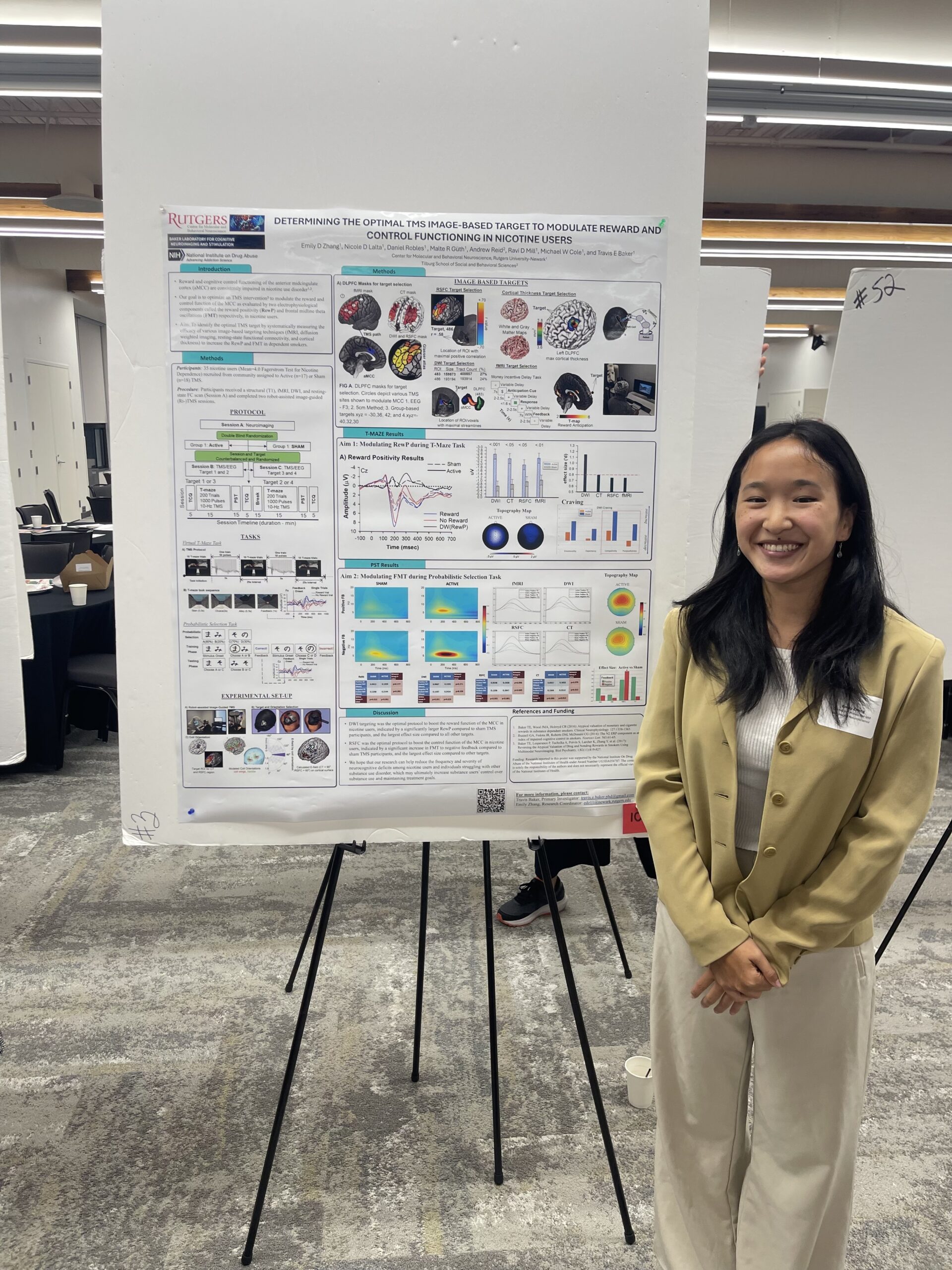
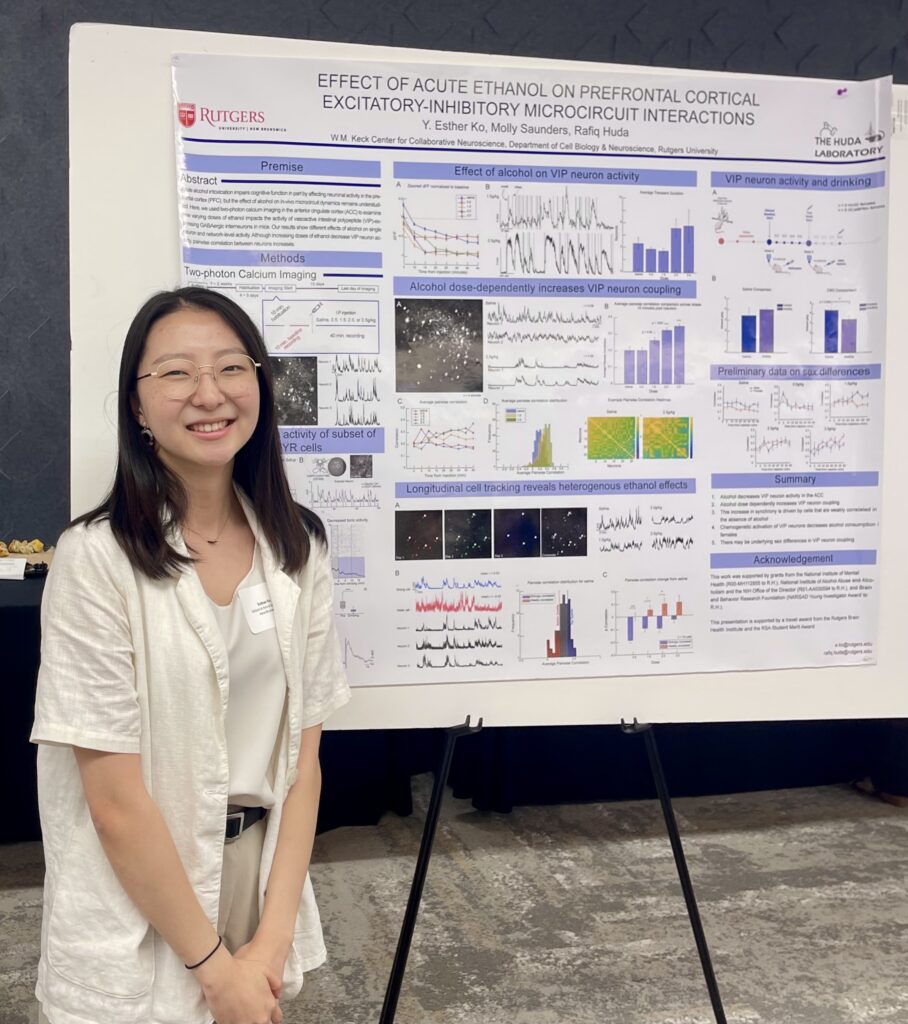
We are excited to announce that Emily Zhang from the Baker Lab for Cognitive Neuroimaging and Stimulation, and Esther Ko from the Huda Lab, have won the top two Best Poster Awards at this year’s Symposium!
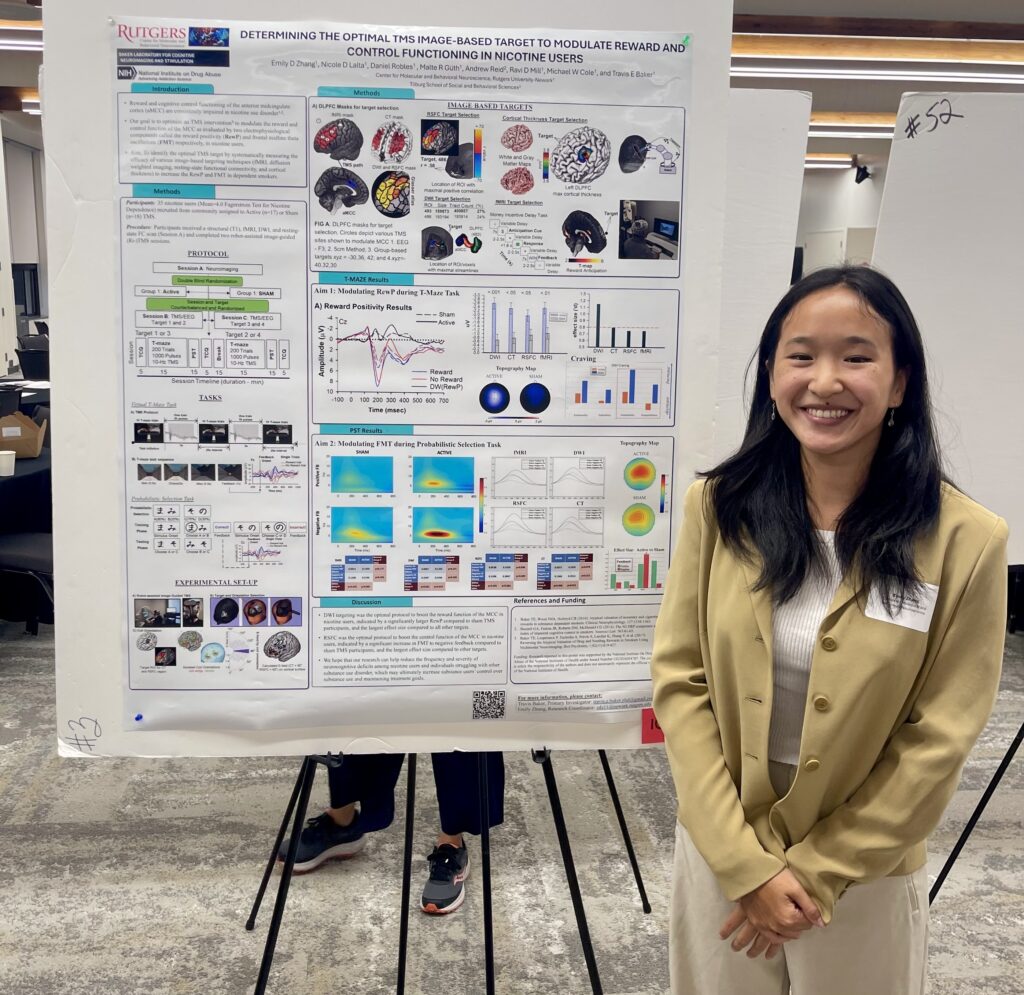
Top Poster in Human Studies:
Title: Determining the Optimal TMS Image-Based Target to Modulate Reward and Control Functioning in Nicotine Users
Authors: Emily Zhang, Nicole Lalta, Daniel Robles, Malte Güth, Ravi D. Mill, Andrew Reid, Michael W. Cole, and Travis E. Baker
PI: Travis E. Baker
Nicotine use disorder can be conceptualized as a failure in cognitive control, and is thought to arise from abnormalities in the reward and control function of the anterior midcingulate cortex (MCC). In this poster, we provide the optimal TMS method for quantifying and modulating the MCC reward (Aim 1) and control function (Aim 2) in nicotine users. In Aim 1, we show that applying TMS over an diffusion-based connectivity target (left prefrontal cortex – MCC) can boost the reward function of the MCC in nicotine users. In Aim 2, we show that applying TMS over an individualized function connectivity-based target (left prefrontal cortex – MCC) can boost the control function of the MCC in nicotine users. The findings from this study may help to develop more precise and effective MCC stimulation protocols according to patients’ structural and functional connectivity profiles and cognitive control deficits.
Top Poster in Animal Studies:
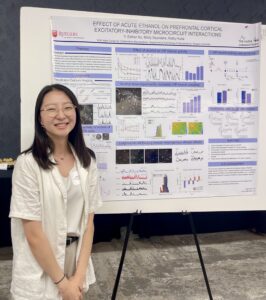
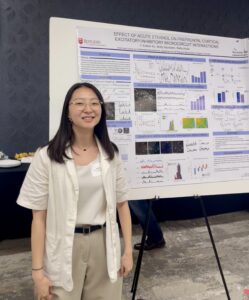
Effect of Acute Ethanol on Prefrontal Cortical Excitatory-Inhibitory Microcircuit Interactions
Authors: Esther Ko and Molly Saunders
PI: Rafiq Huda
Acute alcohol intoxication impairs cognitive function in part by affecting neuronal activity in the prefrontal cortex (PFC), but the effect of alcohol on in-vivo microcircuit dynamics remains understudied. Here, we used two-photon calcium imaging in the anterior cingulate cortex (ACC) to examine how varying doses of ethanol impact the activity of vasoactive intestinal polypeptide (VIP)-expressing GABAergic interneurons in mice. Our results show different effects of alcohol on single neuron and network-level activity. Although increasing doses of ethanol decrease VIP neuron activity, pairwise correlation between neurons increases.
2024 RARC Fall Symposium Photos